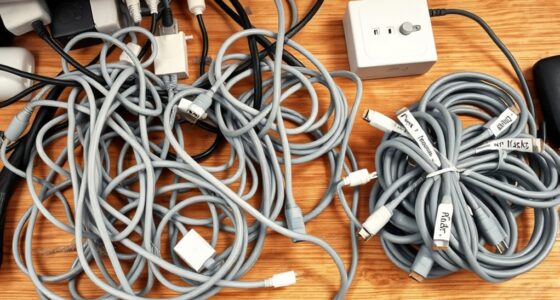
As someone responsible for managing cables, you might not realize how your choices impact the environment. Using eco-friendly materials, proper disposal methods, and energy-efficient devices can make a significant difference. Every decision you make influences waste reduction and resource conservation. Understanding these environmental considerations can help you create a workspace that balances efficiency with sustainability, but knowing where to start can be challenging without the right guidance.
Key Takeaways
- Utilize biodegradable sleeves and recycled plastic ties to minimize environmental impact.
- Implement energy-efficient devices and surge protectors to reduce electricity consumption.
- Practice proper cable organization to prevent waste and improve airflow, lowering cooling energy needs.
- Recycle damaged or outdated cables responsibly to promote reuse and reduce electronic waste.
- Incorporate eco-friendly materials and sustainable practices to support overall environmental conservation efforts.

Effective cable management isn’t just about keeping your workspace tidy—it also plays a crucial role in reducing environmental impact. When you prioritize eco-friendly materials and energy-efficient solutions, you’re not only improving functionality but also contributing to sustainability efforts. Choosing eco-friendly materials, like biodegradable cable sleeves or recycled plastic ties, helps minimize waste and reduces reliance on non-renewable resources. These materials break down more naturally when disposed of, preventing harmful chemicals from polluting the environment and lowering your carbon footprint. It’s a simple yet impactful way to align your workspace with green principles.
In addition, implementing energy-efficient solutions in your cable management system can make a considerable difference. Opt for power strips with surge protection and energy-saving features to control power consumption effectively. Properly organizing cables reduces the risk of overheating and electrical faults, which can lead to energy waste or even hazards. When cables are neatly managed, devices operate more efficiently, drawing only the power they need without excess energy loss. This not only cuts down your electricity bills but also reduces the environmental impact associated with energy production. The more you streamline your setup, the less energy gets wasted, supporting broader sustainability goals.
Furthermore, adopting practices such as labeling cables and creating clear pathways minimizes unnecessary cable extensions and redundancies. This reduces the need for excess wiring, which often uses environmentally impactful materials. Efficient cable routing also enhances airflow and prevents overheating, which can lead to increased energy consumption if cooling systems work harder to compensate. By maintaining a clean, organized environment, you foster a more sustainable workspace that uses resources wisely.
Another critical aspect is recycling and proper disposal. When you replace outdated or damaged cables, ensure you do so responsibly by recycling electronics and cables at designated facilities. Proper disposal prevents harmful substances from leaching into the environment and promotes the reuse of valuable materials. Recycling cables and accessories is an essential step in closing the loop and reducing electronic waste.
Additionally, incorporating energy-efficient devices into your setup can further reduce your environmental footprint. Ultimately, your approach to cable management can considerably influence your environmental footprint. By integrating eco-friendly materials, energy-efficient solutions, and responsible disposal practices, you make a conscious effort to support sustainability while maintaining a functional workspace. Small choices, like selecting biodegradable ties or installing energy-saving devices, add up to a meaningful difference. When you prioritize these strategies, you’re not just creating a cleaner, more organized workspace—you’re actively participating in the global effort to protect the environment for future generations.

AGPTEK Cable Sleeve, 2 Pack 5ft – 1.2 Inch Cable Management, Desk Cord Cover Organizer Wire Hider for Office Computer TV Wire Loom Tubing, Pet Proof Cord Protector from Cat Dog Chewing, Wood Color
【Wire Cover for Many Cables +Easy to cut 】The cable tube can be easily cut with scissors. Length:…
As an affiliate, we earn on qualifying purchases.
As an affiliate, we earn on qualifying purchases.
Frequently Asked Questions
How Do Cable Materials Impact Recyclability?
Cable materials markedly impact recyclability because their composition determines how easily they can be processed. When you choose cables with recyclable materials, you improve recyclability factors, making disposal more environmentally friendly. Look for cables made from single materials or those labeled as recyclable. Avoid mixed-material cables, as complex compositions complicate recycling efforts. By understanding material composition, you can make smarter choices that support sustainable practices and reduce environmental impact.
Are Eco-Friendly Cable Options More Cost-Effective Long-Term?
Absolutely, eco-friendly cables are the best investment you’ll make! Biodegradable cables and those made from renewable materials might seem pricier upfront, but they save you a fortune in the long run. They reduce waste disposal costs, minimize environmental impact, and often last just as long as traditional options. In the end, choosing sustainable cables isn’t just good for the planet—it’s a smart, cost-effective move that pays off over time.
What Certifications Indicate Environmentally Sustainable Cables?
You should look for eco labels and green certifications like UL Environmental, RoHS, and LEED when choosing environmentally sustainable cables. These certifications indicate that the cables meet strict environmental standards, such as reduced hazardous substances and energy efficiency. By selecting cables with these eco labels, you guarantee you’re supporting sustainable practices, reducing environmental impact, and possibly benefiting from long-term cost savings due to higher quality and compliance.
How Can Cable Disposal Reduce Environmental Harm?
Think of cable disposal as clearing a tangled forest, allowing new growth to thrive. You can reduce environmental harm by practicing cable recycling and adopting proper disposal strategies. Recycling keeps valuable materials out of landfills, reducing pollution, and conserving resources. By following responsible disposal strategies, you help protect ecosystems and promote sustainability, ensuring that your cable waste doesn’t become a burden on the planet, but instead supports a greener future.
Do Cable Management Practices Influence Energy Efficiency?
Yes, your cable management practices influence energy efficiency. Properly organizing wireless cables reduces signal interference, ensuring devices operate most effectively and consume less power. Using clear cable labeling helps you quickly identify and disconnect unused cables, preventing energy wastage. By maintaining tidy cable setups, you minimize energy loss and improve overall system performance, making your workspace more efficient and environmentally friendly.

Smart Strip ECG-7MVR Energy Saving Surge Protector with Autoswitching Technology, 7 Outlet
7 OUTLETS TOTAL—1 Control outlet, 2 Always On outlets and 4 Switched outlets.
As an affiliate, we earn on qualifying purchases.
As an affiliate, we earn on qualifying purchases.
Conclusion
By embracing eco-friendly cable management practices, you can markedly reduce electronic waste and energy consumption. Did you know that improper disposal of cables accounts for over 3 million tons of electronic waste annually? By choosing biodegradable sleeves, recycled ties, and energy-efficient devices, you’re not only organizing your workspace but also helping the environment. Small changes in your cable habits can make a big difference in creating a sustainable, responsible workspace for future generations.

Cable Zip Ties,400 Pack Black Assorted Sizes 12+8+6+4 Inch,Multi-Purpose Self-Locking Nylon Cable Cord Management,Plastic Wire Ties for Home,Office,Garden,Workshop. By HAVE ME TD
Zip Ties Packing Including:HAVE ME TD Zip Ties Total:400pcs Cable Zip Ties.4inch X 100pcs,6inch X 100pcs,8inch X 100pcs,12inch…
As an affiliate, we earn on qualifying purchases.
As an affiliate, we earn on qualifying purchases.
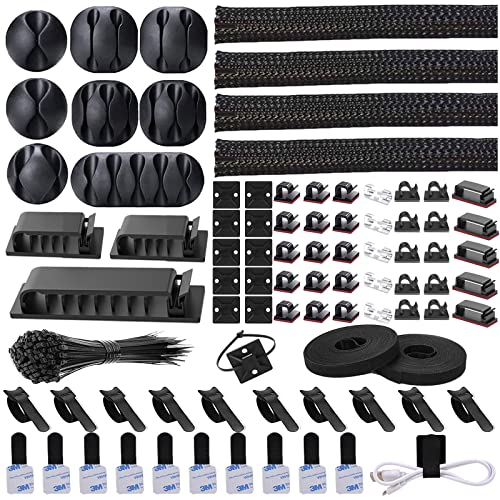
N NOROCME 192 PCS Cable Management Kit 4 Wire Organizer Sleeve,11 Cable Holder,35Cord Clips 10+2 Roll Cable Organizer Straps and 100 Fastening Cable Ties for Computer TV Under Desk, black,clear
Cable Management Kit: 4pcs Cable Sleeves( 20 in L x 0.4 in w), 20pcs reusable wire ties,35Cable Clips…
As an affiliate, we earn on qualifying purchases.
As an affiliate, we earn on qualifying purchases.