
Testing fiber links with an OTDR is a critical step in maintaining the integrity of your network. Proper calibration, clean connectors, and accurate analysis guarantee you catch issues early before they impact performance. Understanding how to interpret the backscatter profile can save you time and money by pinpointing faults precisely. Mastering this process can considerably improve your network’s reliability, but it’s essential to follow best practices to get the most accurate results.

Get business pricing on networking and server gear
- Business-only prices and quantity discounts
- Tax-exempt purchasing
- Multiple users, one account, clear invoices
Key Takeaways
- Properly calibrate the OTDR and set correct test parameters before measurement.
- Inspect and clean fiber connectors to prevent signal loss and false readings.
- Analyze OTDR traces for attenuation spikes, breaks, or connector issues.
- Use event tables and backscatter profiles to identify faults and measure loss.
- Follow best practices, including automation and regular testing, to ensure accurate results and network reliability.
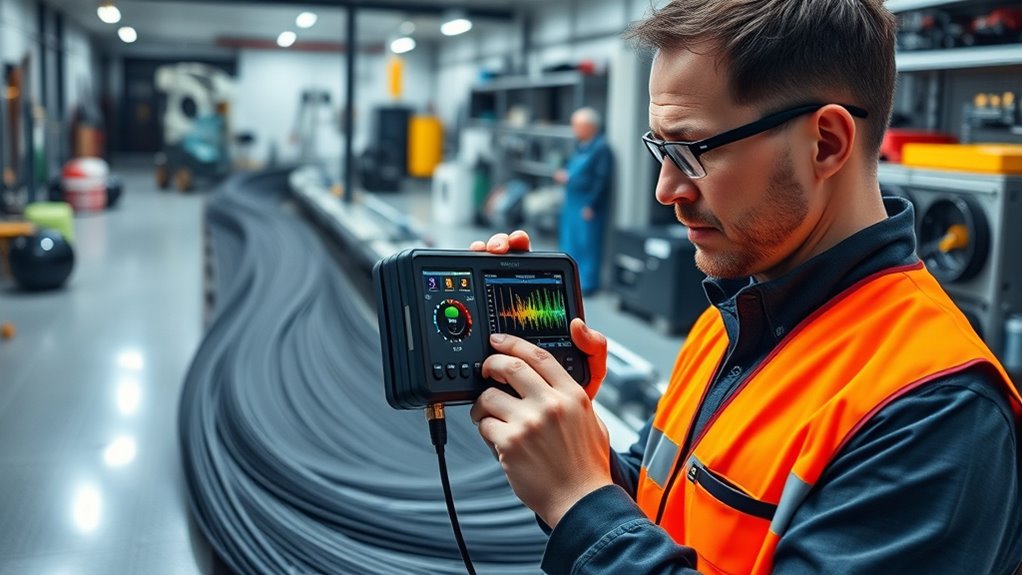
Testing fiber links with an OTDR is vital for guaranteeing ideal performance and diagnosing issues in fiber optic networks. When you perform an OTDR test, you’re fundamentally sending pulses of light down the fiber and analyzing the reflected signals to identify any problems along the link. One of the essential aspects you need to monitor is fiber attenuation, which indicates how much signal loss occurs over the distance. Excessive attenuation can result from various factors, including bends, breaks, or impurities in the fiber. By analyzing the OTDR trace, you can pinpoint specific locations where attenuation spikes, allowing you to address issues before they impact network performance.
OTDR testing helps identify fiber issues and signal loss to ensure optimal network performance.
A key factor that often influences fiber attenuation is connector cleanliness. Dirty connectors can cause significant signal loss because dirt, dust, or oils on the connector surfaces interfere with the light passing through. When you’re preparing for testing, it’s vital to inspect and clean all connectors thoroughly. Clean connectors ensure minimal insertion loss and prevent false readings or misleading results on your OTDR trace. If you notice unexpected signal drops or irregularities, don’t overlook the possibility of dirty connectors contributing to the problem. Proper cleaning procedures, such as using appropriate cleaning tools and lint-free wipes, can dramatically improve measurement accuracy and help maintain peak network performance.
The process of testing involves more than just connecting the OTDR to the fiber. You’ll want to calibrate the device properly and set the appropriate test parameters based on the fiber type and length. As you perform the test, keep an eye on the backscatter profile and the event table generated by the OTDR. These tools help you interpret the data by highlighting events like splices, connectors, or breaks. If you find a sudden increase in attenuation at a connector point, it’s a good indication that the connector may need cleaning or replacement. Regular testing and cleaning not only improve performance but also extend the lifespan of your fiber optic infrastructure.
Additionally, implementing automation in testing can streamline the process, reduce human error, and ensure consistent results across multiple tests.
In addition to fiber attenuation and connector cleanliness, consistent testing helps you maintain the network’s reliability. It allows you to catch issues early, preventing costly outages and ensuring high-speed, stable connections. Always follow best practices during testing—use proper cleaning techniques, verify your calibration, and interpret the data carefully. With proper attention to these details, your OTDR testing becomes an invaluable tool in maintaining a healthy, efficient fiber optic network.
As an affiliate, we earn on qualifying purchases.
Frequently Asked Questions
How Often Should Fiber Links Be Tested With OTDR?
You should perform fiber testing with an OTDR at least once a year to guarantee ideal link performance and reliability. Regular testing helps identify potential issues early, supporting effective link maintenance. In addition, after any physical disturbance, repairs, or upgrades, you should test the fiber link again. Consistent testing not only maintains network quality but also extends the lifespan of your fiber infrastructure.
Can OTDR Detect All Types of Fiber Faults?
OTDRs are effective for fiber fault detection, but they don’t detect all types of faults. They excel at identifying breaks, bends, and connector issues, yet have limitations with certain microbends or chemical degradations. So, while an OTDR is a vital tool, you should complement it with other testing methods to guarantee thorough fiber link analysis. Keep in mind its limitations to avoid overlooking subtle or complex faults.
What Calibration Is Required for Accurate OTDR Testing?
Think of calibration procedures as tuning a fine instrument to ensure perfect harmony. To achieve measurement accuracy, you need to regularly calibrate your OTDR against known standards. This involves checking the instrument’s response and adjusting settings as needed. Proper calibration guarantees your tests are precise, allowing you to confidently identify fiber faults. Without it, your measurements could be off-key, leading to missed faults or false alarms.
How Does Environmental Temperature Affect OTDR Measurements?
Temperature fluctuations can considerably impact your OTDR measurements by causing variations in fiber refractive index and physical length, which reduces measurement accuracy. When environmental temperatures change, the OTDR may show false reflections or shifts in event positions, leading to incorrect fault detection or distance readings. To guarantee reliable results, you should monitor environmental conditions and perform measurements under stable temperatures whenever possible. Proper calibration also helps mitigate temperature-related measurement errors.
Is Specialized Training Needed to Interpret OTDR Results?
You don’t need specialized training to interpret OTDR results, but fiber optic certification and understanding testing best practices are highly recommended. Proper training helps you accurately analyze data, identify faults, and guarantee reliable network performance. By following established testing standards, you’ll improve your skills and confidence in troubleshooting fiber links. Investing in certification and continuous learning ensures you interpret OTDR measurements correctly, ultimately maintaining excellent fiber optic network quality.
fiber optic connector cleaning kit
As an affiliate, we earn on qualifying purchases.
As an affiliate, we earn on qualifying purchases.
Conclusion
By mastering OTDR testing, you guarantee your fiber links stay robust and reliable. Regular calibration, careful inspection, and precise analysis act as your shield against faults—like a lighthouse guiding your network through storms. Embrace automation and best practices to extend your infrastructure’s lifespan and keep signals clear. Remember, with every test, you’re not just maintaining a connection; you’re safeguarding the pulse of high-speed communication—keeping your network strong, steady, and ready for the future.
As an affiliate, we earn on qualifying purchases.
As an affiliate, we earn on qualifying purchases.
Fall Picks
fall essentials
As an affiliate, we earn on qualifying purchases.