Choosing between managed and unmanaged switches can feel like one of the most critical decisions for your network’s future, yet it’s often overlooked until issues arise. The difference isn’t just technical—it can impact security, scalability, and cost in ways you might not expect. Making the right choice now can save you headaches down the line, but how do you determine which type truly fits your needs? Let’s explore the key factors that can guide your decision.
Key Takeaways
- Managed switches offer advanced control, security, and scalability, ideal for growing or complex networks.
- Unmanaged switches are simple, cost-effective, and suitable for small or temporary setups.
- Consider future network expansion needs; managed switches support seamless growth.
- For sensitive data and security policies, managed switches provide better security features.
- The decision depends on current network size, security requirements, and long-term growth plans.
When selecting a network switch, understanding the differences between managed and unmanaged options is vital. Your choice impacts not just performance but also how well your network can grow and stay secure. Managed switches provide advanced control over your network, giving you the ability to configure, monitor, and troubleshoot devices with precision. This level of control enhances network security by allowing you to implement specific access controls, VLAN segmentation, and security policies that protect sensitive data. If you’re managing a network with multiple departments or handling confidential information, managed switches help you enforce security protocols effectively.
Scalability options are another essential factor. Managed switches are designed to support network growth easily. They often include features like link aggregation, which combines multiple connections for increased bandwidth, and support for stacking multiple switches to expand your network seamlessly. As your organization expands or your network demands increase, these scalability options ensure your infrastructure can adapt without requiring complete replacements. Managed switches also facilitate easier integration with network management tools, allowing you to oversee your entire setup centrally and make adjustments as needed, without disrupting ongoing operations.
On the other hand, unmanaged switches are straightforward and cost-effective, making them suitable for small or temporary setups where advanced control isn’t a priority. They typically require no configuration, which means you can plug them in and start using them immediately. However, this simplicity comes with trade-offs. You don’t get the same level of network security controls, leaving your network more vulnerable to threats or unauthorized access. Additionally, unmanaged switches lack scalability options; they don’t support features like VLANs or link aggregation, so expanding your network later can become complicated and may require replacing existing switches altogether.
If your network needs are simple—say, connecting a few devices in a small office or a home environment—an unmanaged switch might suffice. But if you’re looking to build a robust, secure, and flexible network that can grow with your organization, a managed switch is the better choice. It provides the tools to safeguard your data, optimize performance, and expand easily as your requirements evolve. Remember, the key to making the right decision lies in evaluating your current needs and future plans, ensuring your network infrastructure can support both security and scalability without unnecessary upgrades or replacements later on.
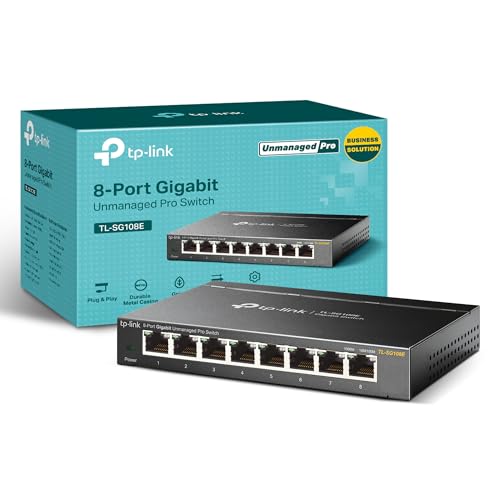
TP-Link 8 Port Gigabit Switch | Easy Smart Managed | Plug & Play | Desktop/Wall-Mount | Sturdy Metal w/ Shielded Ports | Support QoS, Vlan, IGMP and LAG (TL-SG108E)
𝟴 𝗚𝗶𝗴𝗮𝗯𝗶𝘁 𝗘𝘁𝗵𝗲𝗿𝗻𝗲𝘁 𝗣𝗼𝗿𝘁𝘀: expand your network with 8 high-speed ethernet ports
As an affiliate, we earn on qualifying purchases.
As an affiliate, we earn on qualifying purchases.
Frequently Asked Questions
What Are the Long-Term Cost Differences Between Managed and Unmanaged Switches?
In the long run, managed switches tend to cost more upfront but offer better value through a thorough cost analysis. They provide upgrade potential with advanced features, making them suitable for growing networks and reducing future replacement costs. Unmanaged switches are cheaper initially but may lead to higher expenses down the line due to limited scalability and fewer management options, which could hinder network growth and increase maintenance costs over time.
How Do Switches Impact Network Security Beyond Basic Features?
Think of your switch as a vigilant gatekeeper, shielding your network from unseen threats. Beyond basic features, switches influence security through network segmentation, like creating secure compartments, and access control, which restricts entry to sensitive areas. These tools help you contain breaches and prevent unauthorized access, turning your network into a fortress. By actively managing traffic and access, you strengthen your defenses, ensuring data stays safe inside your digital city.
Can Unmanaged Switches Be Upgraded to Managed Switches Later?
Unmanaged switches can’t be upgraded to managed switches later because they lack the hardware and software features needed for management. If you think you’ll need more control or security in the future, consider investing in a managed switch now to avoid costly replacements. While unmanaged switches are cheaper upfront, upgrading later involves significant cost implications, making it more practical to choose a managed switch from the start if you anticipate future network complexity.
What Are the Best Use Cases for Unmanaged Switches in Small Businesses?
Unmanaged switches are like simple tools, perfect for small business office setups where ease and cost-efficiency matter. You should use them for basic network connections, such as connecting computers or printers, without the need for extensive management. They’re ideal for creating a guest network, providing internet access for visitors without complicating your main network. If your needs grow, consider upgrading later, but for now, unmanaged switches keep things straightforward and reliable.
How Do Switches Affect Network Redundancy and Fault Tolerance?
Switches play a vital role in network resilience and fault detection. They guarantee redundancy by automatically rerouting traffic if a connection fails, minimizing downtime. Managed switches enhance fault tolerance with features like Spanning Tree Protocol (STP), which detects and prevents network loops. Unmanaged switches, however, lack these capabilities, making them less effective for fault detection and reducing overall network resilience, especially in larger or more critical setups.

B00A128S24
As an affiliate, we earn on qualifying purchases.
As an affiliate, we earn on qualifying purchases.
Conclusion
Ultimately, your choice between managed and unmanaged switches hinges on your current needs and future plans. Will you prioritize simplicity and cost savings, or do you need advanced control and security? The decision isn’t always clear-cut, and making the wrong call could limit your network’s growth or expose vulnerabilities. Think carefully about where your network is headed—you might soon find that the right switch is the key to unleashing its full potential.
TP-Link 8 Port Gigabit Switch | Easy Smart Managed | Plug & Play | Desktop/Wall-Mount | Sturdy Metal w/ Shielded Ports | Support QoS, Vlan, IGMP and LAG (TL-SG108E)
𝟴 𝗚𝗶𝗴𝗮𝗯𝗶𝘁 𝗘𝘁𝗵𝗲𝗿𝗻𝗲𝘁 𝗣𝗼𝗿𝘁𝘀: expand your network with 8 high-speed ethernet ports
As an affiliate, we earn on qualifying purchases.
As an affiliate, we earn on qualifying purchases.

UGREEN 2.5Gb Switch, 6-Port Ethernet Switch, 5 x 2.5Gb + 1 x 10Gb SFP+, Standard/Link Aggregation to 5Gbps/VLAN 3 Modes, Plug & Play Metal Unmanaged Ethernet Splitter, Desktop/Wall Mount, for NAS, PC
Unlock 2.5Gb & 10Gb Speed: UGREEN 2.5Gb switch features 5 × 2.5Gb and 1 × 10Gb SFP+ port….
As an affiliate, we earn on qualifying purchases.
As an affiliate, we earn on qualifying purchases.