To build a reliable home media center network, start with a high-speed router that supports Wi-Fi 6 and multiple devices. secure your network with strong passwords and WPA3 encryption, and keep firmware updated. Use wired Ethernet for high-bandwidth devices like smart TVs, while Wi-Fi works well for mobile devices, especially with mesh systems. Centralize your media with a NAS and optimize performance by monitoring bandwidth and addressing issues early. Keep exploring to discover more tips for seamless streaming.
Key Takeaways
- Choose a modern Wi-Fi 6 router supporting multiple devices for reliable streaming and minimal lag.
- Use wired Ethernet for high-bandwidth devices like smart TVs and gaming consoles.
- Enable WPA3 security and update firmware regularly to protect your media content.
- Set up a NAS for centralized storage and utilize media server software like Plex or Kodi.
- Monitor network performance and bandwidth to optimize streaming quality and prevent congestion.

Creating a home media center network allows you to stream your favorite movies, music, and photos seamlessly across all your devices. To do this effectively, you need to set up a reliable and secure network that handles media streaming smoothly. The first step is choosing the right router—preferably one that supports high-speed connections and modern wireless standards like Wi-Fi 6. This ensures your media streams are crisp, uninterrupted, and quick to load, even when multiple devices are connected simultaneously. When setting up your network, prioritize network security. Protect your media content and personal data by enabling strong passwords, activating WPA3 encryption, and updating your router’s firmware regularly. A secure network prevents unauthorized access and keeps your streaming experience safe from cyber threats.
Choose a Wi-Fi 6 router and secure your network with strong passwords and WPA3 for smooth, safe media streaming.
Once your network security is in place, you can focus on connecting your media devices. Use wired Ethernet connections for devices that demand high bandwidth, such as smart TVs or gaming consoles, to reduce buffering and lag. For mobile devices and laptops, a robust Wi-Fi connection works fine, especially if your router supports mesh networking to eliminate dead zones. Setting up a dedicated media server, like a NAS (Network-Attached Storage), allows you to centralize your media files. This makes media streaming more efficient because all your content is stored in one place, accessible from any device on your network.
Configuring your media server with compatible media streaming software ensures you can easily access and organize your movies, music, and photos. Software options like Plex or Kodi provide user-friendly interfaces and support multiple formats, making it simple to browse and watch media across devices. When streaming content, keep in mind that network security isn’t just about protecting your data but also maintaining smooth media playback. Use strong passwords and enable network encryption to prevent unauthorized access that could slow down your streaming or compromise your data. Additionally, utilizing network management tools helps monitor bandwidth usage and optimize performance, ensuring your media streaming remains smooth and secure.
Finally, consider network management tools to monitor bandwidth usage and optimize performance. These tools can help you identify devices that hog bandwidth or detect security issues early. Regularly updating your devices and software keeps your home media network protected from vulnerabilities. By carefully balancing media streaming needs with network security, you ensure a seamless and safe entertainment experience for everyone in your household. Building a home media center network isn’t just about connectivity; it’s about creating a secure, reliable environment where your digital content is always within reach, ready to entertain whenever you want.

TP-Link AX1800 WiFi 6 Router (Archer AX21) – Dual Band Wireless Internet, Gigabit, Easy Mesh, Works with Alexa – A Certified for Humans Device, Free Expert Support
DUAL-BAND WIFI 6 ROUTER: Wi-Fi 6(802.11ax) technology achieves faster speeds, greater capacity and reduced network congestion compared to…
As an affiliate, we earn on qualifying purchases.
As an affiliate, we earn on qualifying purchases.
Frequently Asked Questions
What Is the Best Wi-Fi Standard for Streaming Media?
You should use Wi-Fi 6 (802.11ax) for streaming media. It offers higher bandwidth and better performance, helping you avoid wireless interference and ensuring smooth streaming. Wi-Fi 6 also improves bandwidth management, so multiple devices can stream simultaneously without lag. This standard provides a more reliable connection, especially in busy households, making your media experience seamless and enjoyable.
How Many Devices Can My Network Support Simultaneously?
Your network can support dozens of devices simultaneously, but congestion may cause streaming issues. To prevent this, prioritize devices like your media center, ensuring smooth playback. Think of your network as a busy highway: without lane management, traffic jams occur. By implementing device prioritization, you control which devices get bandwidth first, reducing network congestion and allowing multiple devices to stream or browse seamlessly at the same time.
Do I Need a Dedicated Server for My Media Center?
You don’t necessarily need a dedicated server for your media center if your server requirements are modest. A powerful NAS or a dedicated PC with ample media storage can handle your media needs effectively. However, if you plan to stream high-definition content to multiple devices or store large media libraries, a dedicated server provides better performance, scalability, and reliability, ensuring smooth playback and easy media management.
How Do I Ensure Network Security for Streaming Devices?
To guarantee network security for streaming devices, you should use strong encryption protocols like WPA3 or WPA2, which protect your data from unauthorized access. Regular firmware updates are essential, as they fix security vulnerabilities and improve device performance. Additionally, set a unique, complex password for your Wi-Fi network, disable guest access if unnecessary, and enable network firewalls to block potential threats, keeping your media center safe.
What Is the Optimal Placement for Network Equipment in My Home?
You should place your network equipment centrally in your home to maximize coverage and reduce dead zones. Keep cables organized with good cable management to prevent tangling and improve airflow. Position your power supply close but not directly behind devices to avoid overheating, and ensure outlets are accessible. This setup enhances performance, minimizes clutter, and makes maintenance easier, giving you a reliable, efficient media center experience.
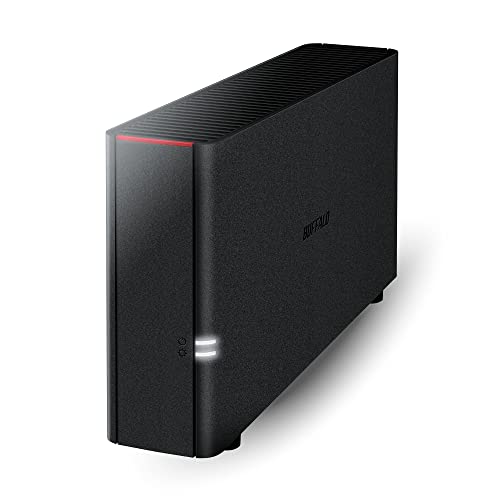
BUFFALO LinkStation 210 2TB 1-Bay NAS Network Attached Storage with HDD Hard Drives Included NAS Storage That Works as Home Cloud or Network Storage Device for Home
Value NAS with RAID for centralized storage and backup for all your devices. Check out the LS 700…
As an affiliate, we earn on qualifying purchases.
As an affiliate, we earn on qualifying purchases.
Conclusion
Creating a home media center network might seem complicated, but with the right setup, it’s totally manageable. Don’t let concerns about technical skills hold you back—there are plenty of user-friendly tools and resources to guide you. Remember, investing a little time now guarantees seamless streaming and access to your favorite content whenever you want. Once it’s built, you’ll enjoy a reliable, centralized entertainment hub that’s truly worth the effort.

ASUS RT-AX1800S Dual Band WiFi 6 Extendable Router, Subscription-Free Network Security, Parental Control, Built-in VPN, AiMesh Compatible, Gaming & Streaming, Smart Home
New-Gen WiFi Standard – WiFi 6(802.11ax) standard supporting MU-MIMO and OFDMA technology for better efficiency and throughput.Antenna :…
As an affiliate, we earn on qualifying purchases.
As an affiliate, we earn on qualifying purchases.

DbillionDa Cat 8 Ethernet Cable 40Gbps 2000MHz, 6FT Heavy-Duty for Indoor/Outdoor Use, High-Speed Wired Internet Cable, Gold-Plated RJ45, Weatherproof & UV Resistant for Gaming, PC, Router, Modem
Designed for Outdoor & Direct Burial Installations – Heavy-duty double-shielded Cat8 Ethernet cable minimizes EMI/RFI interference and delivers…
As an affiliate, we earn on qualifying purchases.
As an affiliate, we earn on qualifying purchases.