Much like the bridge that connects two distant lands, integrating legacy systems with modern networks can open new opportunities for your organization. You face the challenge of ensuring seamless communication without disrupting existing operations. As technology evolves, understanding how to effectively merge old and new systems becomes essential. The question is, how can you do this efficiently while safeguarding your data and investments? Exploring this balance could be the key to your organization’s future success.
Key Takeaways
- Implement middleware solutions to bridge legacy systems with modern network protocols and data formats.
- Conduct compatibility assessments and develop custom adapters or APIs as needed.
- Utilize data migration tools to extract, transform, and validate data during integration.
- Ensure security measures like encryption and access controls to protect data during transfer.
- Perform thorough testing to identify and resolve potential issues before full deployment.
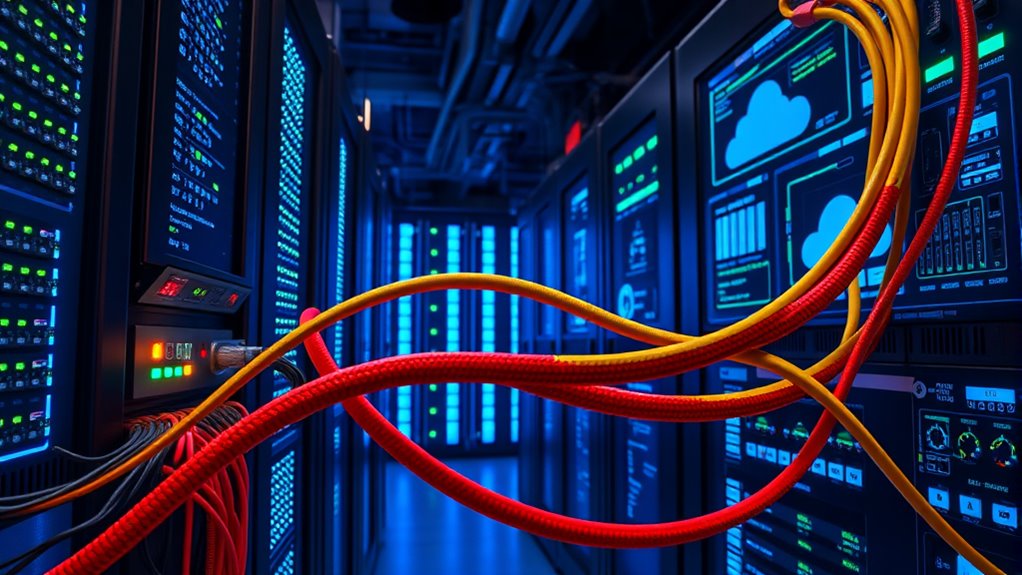
Integrating legacy systems can be a complex but essential process for modernizing your organization’s technology infrastructure. When you’re working to connect older systems with new networks, the key is to ensure seamless communication and data flow. Middleware solutions play a vital role here, acting as the bridge that enables different applications and platforms to work together smoothly. These solutions can handle protocol translations, data formatting, and process orchestration, so you don’t have to rewrite existing legacy code. By deploying middleware, you create a flexible environment where data can flow efficiently between old and new systems, reducing the risk of disruptions and improving overall operational agility.
Connecting legacy systems with modern networks ensures seamless data flow and operational agility through effective middleware solutions.
A significant part of integrating legacy systems involves data migration. You need a clear strategy to move data securely and accurately from outdated databases or storage systems to modern cloud-based or on-premises platforms. Data migration should be approached carefully, with thorough planning to avoid data loss or corruption. This process often involves extracting data from legacy systems, transforming it into compatible formats, and loading it into new databases. Using specialized tools and automation can streamline this process, minimize downtime, and ensure data integrity. It’s also crucial to validate data post-migration, confirming that everything transferred correctly and remains usable for current business needs.
While implementing middleware solutions simplifies integration, you also need to consider the compatibility of your legacy systems with these new tools. Sometimes, you might face challenges such as incompatible data formats or outdated protocols. To overcome these hurdles, you should perform an in-depth assessment of your existing infrastructure and identify which middleware solutions fit best. You might also need to develop custom adapters or APIs to facilitate communication between specific legacy applications and modern systems. Conducting thorough testing before full deployment helps catch potential issues early, saving you time and resources later.
Security is another critical aspect during integration. As you connect old and new systems, you introduce potential vulnerabilities. Make sure your middleware solutions include robust security features, such as encryption and access controls, to protect sensitive data during transfer. Additionally, during data migration, implement strict controls and audit trails to ensure compliance with data privacy regulations. Maintaining security standards throughout this process isn’t just about protecting data; it also helps maintain trust with clients and stakeholders.
Ultimately, integrating legacy systems with modern networks requires a strategic approach that balances technical needs with business goals. By leveraging middleware solutions effectively and carefully managing data migration, you can create a hybrid environment that supports your organization’s growth and innovation. This process may take time and effort, but the benefits—greater flexibility, improved efficiency, and enhanced capability—are well worth it. With the right tools and planning, you’ll turn your outdated systems into valuable assets that complement your modern infrastructure, positioning your organization for future success.
middleware solutions for legacy systems
As an affiliate, we earn on qualifying purchases.
As an affiliate, we earn on qualifying purchases.
Frequently Asked Questions
How Do Legacy Systems Impact Overall Network Security?
Legacy systems can profoundly impact your network security by introducing legacy vulnerabilities that modern defenses might not detect or address. These outdated systems often lack recent security updates, making them prime targets for cyberattacks. Additionally, they create compliance challenges, as meeting current security standards becomes harder. You need to regularly assess and patch these systems, implement segmentation, and develop strategies to mitigate risks associated with legacy vulnerabilities.
What Are the Cost Implications of Integration Strategies?
While the initial investment might seem substantial, a thorough cost analysis reveals that strategic integration can optimize your budget planning in the long run. You’ll likely encounter expenses related to upgrades, training, and ongoing maintenance, but these investments pay off by enhancing efficiency and reducing future risks. Carefully weighing these costs helps you make informed decisions, ensuring seamless integration without unexpected financial surprises. Proper planning keeps your project on track and within budget.
How to Ensure Data Integrity During Migration?
To guarantee data integrity during migration, you should perform thorough data validation at each stage, verifying accuracy and consistency. Implement robust backup strategies beforehand, so you can restore data if issues arise. Regularly audit data during transfer, and use checksums or hashes to confirm data hasn’t been altered. These steps help maintain data integrity, prevent loss, and assure a smooth transition from legacy to modern systems.
What Training Is Needed for Staff on New Systems?
Imagine you’re stepping into the future right now. To guarantee your staff adapts smoothly, provide thorough staff training focused on the new systems. Emphasize skill development to cover system functionalities, cybersecurity, and troubleshooting. Offer hands-on workshops, e-learning modules, and ongoing support. This approach helps your team stay confident and competent, bridging the gap between legacy and modern networks, and assures your organization benefits from seamless integration and improved efficiency.
How Can Integration Affect System Downtime?
Integration can cause system downtime if you don’t guarantee proper system compatibility and data synchronization. When aligning legacy systems with modern networks, incompatibilities may lead to delays or failures, disrupting operations. To minimize downtime, you should thoroughly test compatibility, plan for seamless data synchronization, and implement phased rollouts. Preparing adequately helps you avoid unexpected outages and assures a smoother transition between systems, maintaining your operational efficiency.

Data Migration Best Practices in 2026: The Definitive Guide to Planning Your Next Enterprise Data Migration
As an affiliate, we earn on qualifying purchases.
As an affiliate, we earn on qualifying purchases.
Conclusion
By integrating your legacy systems with modern networks, you open greater agility and efficiency. For example, a retail chain successfully used middleware to connect their outdated inventory system with a new cloud-based platform, streamlining operations and improving real-time data access. Embracing these solutions guarantees your organization maintains valuable investments while staying competitive. With careful planning, robust security, and testing, you can achieve seamless integration that drives growth and long-term success.

As an affiliate, we earn on qualifying purchases.
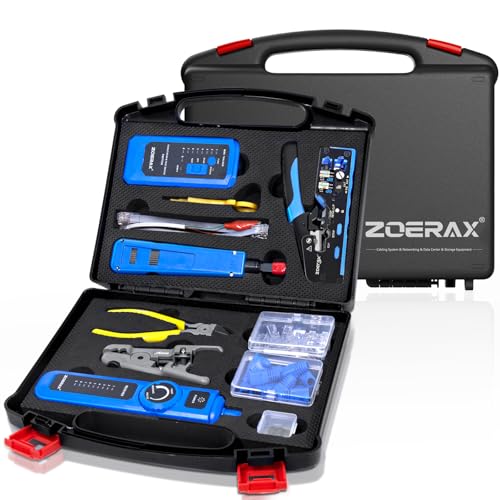
Professional Network Tool Kit, ZOERAX 14 in 1 – RJ45 Crimp Tool, Cat6 Pass Through Connectors and Boots, Cable Tester, Wire Stripper, Ethernet Punch Down Tool
- All-in-One Professional Kit: Includes tools and sturdy case for portability
- Complete Tool Set: For pros and DIYers with crimper, punch down, and more
- Versatile Ethernet Crimper: Adjustable, works with pass-through and non-pass-through connectors
As an affiliate, we earn on qualifying purchases.
As an affiliate, we earn on qualifying purchases.