
TL;DR

Get networking and server gear delivered free — and shop member deals
- Fast, free delivery on millions of items
- Access to Prime Big Deal Days deals on October 6–7
- Prime Video, Amazon Music and more included
A report based on a keynote to engineering leaders at LDX3 describes AI as a fast-moving force changing how software is built in 2026. It says many engineers now delegate coding to several AI agents at once, while code review, quality and reliability are struggling to adapt. The account is a snapshot of industry practices, not a comprehensive survey or a measure of AI’s effects across all companies.
AI coding agents are changing how software engineers work, with some experienced developers now running five to 10 agent sessions in parallel, according to a 2026 industry snapshot from The Pragmatic Engineer. The report, based on a keynote at the LDX3 engineering leadership conference in New York, says the shift is happening alongside concerns about code quality, reliability and review practices.
The report’s author said the keynote drew on visits to AI labs including OpenAI and Anthropic, conversations with startups and technology companies, and unpublished data from GitHub, Factory AI and Linear. The account focuses on trends in AI labs, venture-backed startups and large technology companies. It does not provide a representative industry-wide survey or quantify how many engineers have adopted these practices.
Several developers quoted in the report describe distributing work across parallel sessions. Boris Cherny, the creator of Claude Code, said he uses five terminal tabs with separate repository checkouts and runs five to 10 Claude sessions on the web alongside local sessions. Cockroach Labs co-founder Peter Mattis described handling about five to 10 agent sessions concurrently, sometimes with subagents. Linear software engineer Dima Zaytsev said he rotates among multiple local worktrees, prompting one agent while checking another’s output.
The report characterizes this as part of a wider change in development: fewer engineers writing code manually, less reliance on the traditional integrated development environment, and growing use of agents to produce code. It also identifies problems that may accompany the change, including assumptions about generated code, reviews that can become performative, and declines in quality and reliability. Those observations are the report author’s assessment; the material provided does not include measurements for the claimed declines.
AI Changes the Shape of Engineering Work
Parallel agents can let engineers ask software systems to take on more coding tasks at once, changing the job from writing each line toward directing, checking and integrating generated work. The examples show how some experienced developers are adapting their routines, but they do not establish that all teams can get the same results or that productivity has risen across the industry.
The reported concerns matter because software still needs to be dependable after it is generated. If code review becomes a formality or teams accept output without adequate checks, defects may be harder to catch. The report presents this as an emerging pressure on engineering practice, not as proof that AI-generated software is generally unreliable.
As an affiliate, we earn on qualifying purchases.
From Coding Assistants to Parallel Agents
The tech industry has absorbed major shifts before, including the spread of the internet, smartphones and cloud computing. The report argues that AI’s current impact is moving faster and reaching more directly into software production. It links the acceleration to improvements in coding models around the end of 2025, while emphasizing that tools and working practices continue to change.
Martin Fowler, a software engineering author and consultant, described AI’s scale at The Pragmatic Summit as unlike earlier changes he had experienced. His comparison is a personal assessment, rather than a quantified measure of industry impact. The report also stresses that some familiar elements are expected to persist: teams and planning remain important, and it does not claim that non-engineers are broadly shipping software independently.
“Nothing has hit with the magnitude of AI. This is a whole size difference from anything that we’ve faced before.”
— Martin Fowler, at The Pragmatic Summit
As an affiliate, we earn on qualifying purchases.
How Broad Is the Adoption?
The report does not establish what proportion of engineers or companies now rely on coding agents, nor whether its examples reflect typical teams or unusually productive early adopters. It also offers no industry-wide data in the provided material to verify the extent of the reported changes in code quality, reliability or review.
The longer-term effects on staffing, engineering roles and software outcomes remain unsettled. The report anticipates further changes in tools and practices, but those expectations are forecasts rather than confirmed outcomes.
code review tools for AI-generated code
As an affiliate, we earn on qualifying purchases.
As an affiliate, we earn on qualifying purchases.
Teams Adapt Their AI Workflows
The report expects cloud-based coding agents and the systems that coordinate them—sometimes called harnesses—to become more common. It also anticipates companies building new infrastructure for AI-assisted development and engineers spending less time reading code directly. These are predictions in the report, not a settled roadmap for the industry.
The next useful evidence will be whether organizations can show measurable effects on delivery speed, defects and maintenance as adoption spreads. For now, the published snapshot offers examples of how some developers work and identifies questions that companies will need to answer as they integrate agents into software teams.
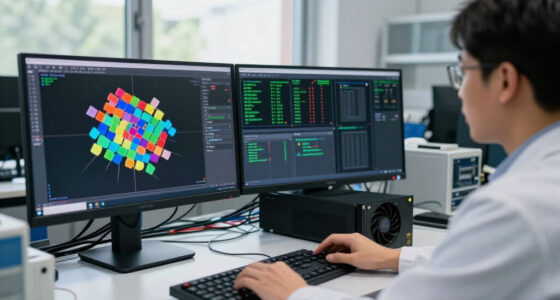
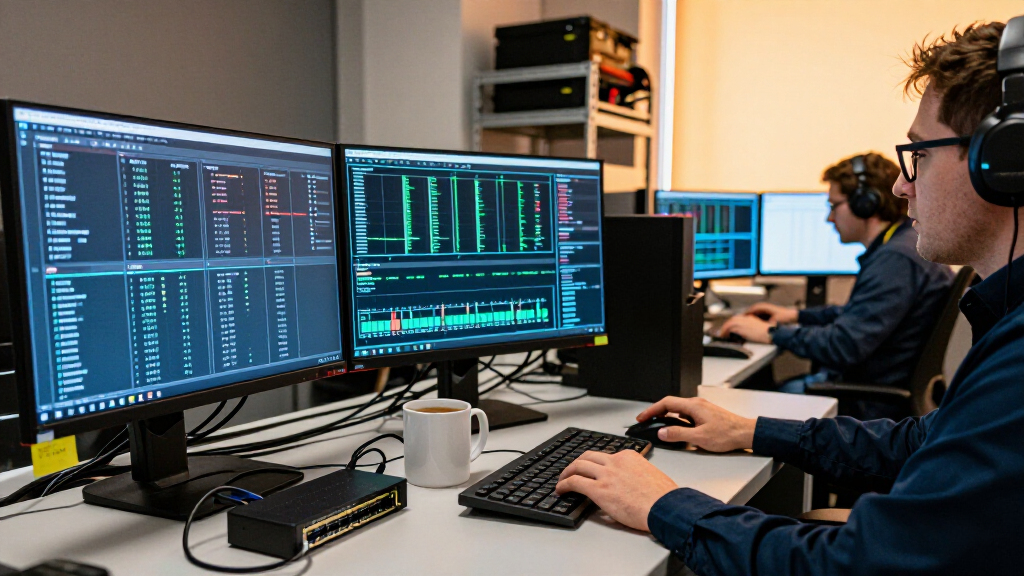
developer workstation with multiple terminals
As an affiliate, we earn on qualifying purchases.
As an affiliate, we earn on qualifying purchases.
Key Questions
What is the main development described in the report?
The report describes AI coding agents becoming part of software developers’ workflows, including examples of engineers running several sessions in parallel. It also raises concerns about code review and reliability.
Are most engineers now using AI agents?
The report says there are signs that many engineers have stopped writing code by hand, but the material provided includes no representative survey or adoption rate. Its examples come from individual developers and industry conversations.
Does the report prove AI is reducing software quality?
No. It identifies quality and reliability as concerns, but the provided material does not give quantitative evidence showing the size or cause of any decline.
What does running agents in parallel mean?
It means assigning tasks to multiple AI coding sessions at the same time, then moving among their outputs. Developers quoted in the report say they use separate tabs, repository worktrees or subagents to manage this work.
What changes does the report expect next?
The author expects wider use of cloud coding agents and coordinating software, along with new infrastructure for AI-assisted development. These are forecasts, and the report does not establish how quickly they will spread.
Source: rss
Halloween Picks
halloween
As an affiliate, we earn on qualifying purchases.