
You don’t need Cat8 cables for most fast networks because their high cost, complex installation, and limited benefits often outweigh their advantages. They’re designed for data centers and specialized setups, not everyday use. For typical home or small business networks, lower-cost options like Cat6 or fiber optic cables deliver nearly the same performance. Wireless options also offer speed and flexibility, making Cat8 unnecessary for general users. Keep exploring to discover why other choices might suit your needs better.
Key Takeaways
- Cat8 cables are expensive and complex to install, making them impractical for most home or small business networks.
- Their performance benefits are minimal over other Ethernet cables like Cat6 or Cat7 for typical use cases.
- Limited length and specialized shielding requirements restrict flexibility and scalability in everyday network setups.
- Internet service speeds often don’t match Cat8’s capabilities, reducing its necessity for most users.
- Fiber optics and wireless solutions provide higher speeds, longer distances, and easier deployment, often surpassing Cat8 performance.

While Cat8 cables offer impressive speeds and bandwidth, they aren’t the best choice for every fast network. If you’re planning a high-performance setup, it’s crucial to understand that wired connections aren’t always the most practical or cost-effective option. Fiber optics, for example, can deliver faster data transfer rates over longer distances without signal degradation, making them ideal for data centers or enterprise environments. Unlike Cat8 cables, which are limited in length and can be expensive, fiber optics use light to transmit information, providing a more reliable and scalable solution for demanding networks.
Fiber optics offer faster, longer-distance data transmission, making them ideal for demanding, high-performance networks over traditional Cat8 cables.
You might also contemplate wireless alternatives, especially if your setup requires flexibility or has physical constraints. Wireless technologies like Wi-Fi 6 or Wi-Fi 6E now offer speeds that rival wired connections, with the added benefit of easy installation and movement. For many households and small offices, investing in a strong, modern wireless network can eliminate the clutter and complexity associated with running high-quality cables. Plus, advancements in mesh networking systems ensure reliable coverage across larger spaces, reducing dead zones and maintaining fast speeds without the need for extensive cabling.
Another reason Cat8 isn’t always the default choice is that it’s primarily designed for very specific use cases, such as data centers or server racks, where ultra-high speeds and minimal interference are critical. For everyday users, the performance benefits of Cat8 cables may not justify their higher cost and installation complexity. In fact, most home and small business networks won’t notice a significant difference between Cat6 or Cat7 cables and Cat8, especially considering the limitations of internet service providers and network hardware. Additionally, the cost of high-quality cabling can be prohibitive for many users, making more affordable options like Cat6 or Cat7 more practical.
The installation process for Cat8 cables can be more demanding. They require precise shielding and high-quality connectors to prevent signal loss, which could increase setup time and expenses. In contrast, fiber optics, although initially more costly and complex to install, can offer a more future-proof solution as technology evolves, supporting higher speeds and longer distances without quality loss. Understanding network infrastructure and how different cabling types interact with existing hardware can help in making a more informed decision tailored to your needs. Ultimately, the choice isn’t just about raw speed. You need to take into account your specific needs, budget, and environment. While Cat8 is a powerful option for specialized, high-speed applications, fiber optics and wireless alternatives often provide more practical, scalable, and cost-effective solutions for most users seeking fast, reliable networks.
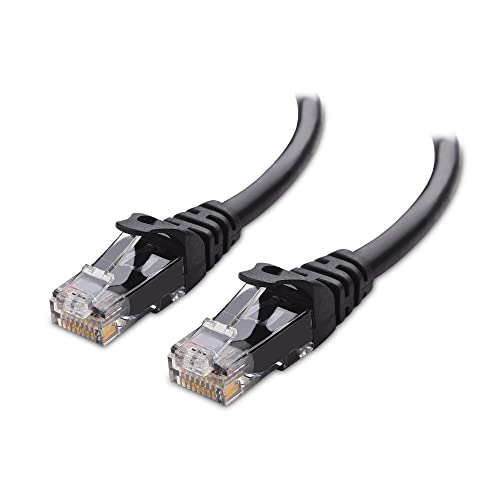
Cable Matters 10Gbps Snagless Cat 6 Ethernet Cable, 25ft, Black
- High-Performance Connectivity: 24 AWG copper core for fast, reliable connections
- Advanced Cat6 Technology: Supports 10-Gigabit Ethernet and is backward compatible
- Reliable Wired Network Solution: Secure, consistent internet connection for various devices
As an affiliate, we earn on qualifying purchases.
As an affiliate, we earn on qualifying purchases.
Frequently Asked Questions
Can Cat8 Cables Be Used Outdoors Safely?
Yes, you can use Cat8 cables outdoors, but only if they’re specifically designed for outdoor durability. Look for cables with weather resistance and protective jackets that guard against moisture, UV rays, and temperature changes. Regular indoor Cat8 cables aren’t suitable outside because they lack the necessary weather resistance. Choosing outdoor-rated Cat8 guarantees your network stays reliable, even in harsh conditions, without risking damage or signal loss.
How Does Cat8 Impact Network Latency?
Cat8 cables can reduce network latency by supporting higher data transfer speeds, which helps minimize delays during data transmission. However, if your network experiences congestion, even Cat8’s fast speeds won’t substantially improve latency. You need to guarantee your network infrastructure, including switches and routers, can handle the increased data flow. Properly optimized, Cat8 can deliver a smoother, faster connection, especially in environments demanding high-speed data transfer.
Are Cat8 Cables Compatible With Older Networking Hardware?
Yes, Cat8 cables can be compatible with older networking hardware, but compatibility concerns arise due to hardware limitations. Many older devices may not support the high speeds or advanced shielding of Cat8, leading to potential performance issues. Before upgrading, check your hardware’s specifications and ports. If your equipment isn’t designed for Cat8, you might experience limited speeds or connectivity problems, so make sure both hardware and cables are compatible for peak network performance.
What Are the Environmental Requirements for Cat8 Installation?
When installing Cat8 cables, you need to take into account environmental requirements like controlled temperature and humidity levels, which affect cable performance. The cables are less flexible, making installation more complex, especially in tight spaces. You should also avoid exposing them to excessive moisture, heat, or electromagnetic interference. Ensuring proper ventilation and secure routing helps maintain signal integrity, so plan your setup carefully to prevent environmental factors from disrupting your high-speed network.
Is Cat8 Suitable for Home Networking Setups?
Yes, Cat8 can be suitable for home networking setups if you’re aiming for ultra-fast speeds, but consider its impact on home aesthetics and cable flexibility. Its bulkier design might disrupt your decor, and its rigidity can make installation trickier. If you need high performance and don’t mind the setup challenges, Cat8 works, but for a cleaner look and easier installation, lower-category cables might be a better fit.
As an affiliate, we earn on qualifying purchases.
Conclusion
While Cat8 offers impressive speeds, it’s not always the best choice for every fast network. For instance, a small business might find it unnecessary and costly compared to Cat6 or Cat7 cables that meet their needs. You should weigh your network’s requirements, budget, and future-proofing plans. Sometimes, sticking with a less expensive, simpler cable can be smarter—saving you money while still delivering reliable, high-speed connectivity for your everyday needs.
As an affiliate, we earn on qualifying purchases.
As an affiliate, we earn on qualifying purchases.