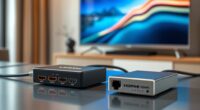
When setting up your devices or systems, understanding the difference between power cables and data cables is essential. While they may look similar, each serves a unique purpose and requires specific features for safe and efficient operation. Using the wrong type can cause damage or safety hazards, so knowing which cable fits your needs is vital. Keep this in mind as you explore how these cables impact performance and safety in your setup.
Key Takeaways
- Power cables supply electrical current to devices, while data cables transfer information between devices.
- Power cables handle high voltage and current; data cables transmit signals for data exchange.
- Using the correct cable type prevents safety hazards like short circuits and fires.
- Power cables are generally designed for durability to withstand frequent plugging and bending; data cables focus on signal integrity.
- Proper selection of high-quality power and data cables ensures device safety, optimal performance, and reliable operation.

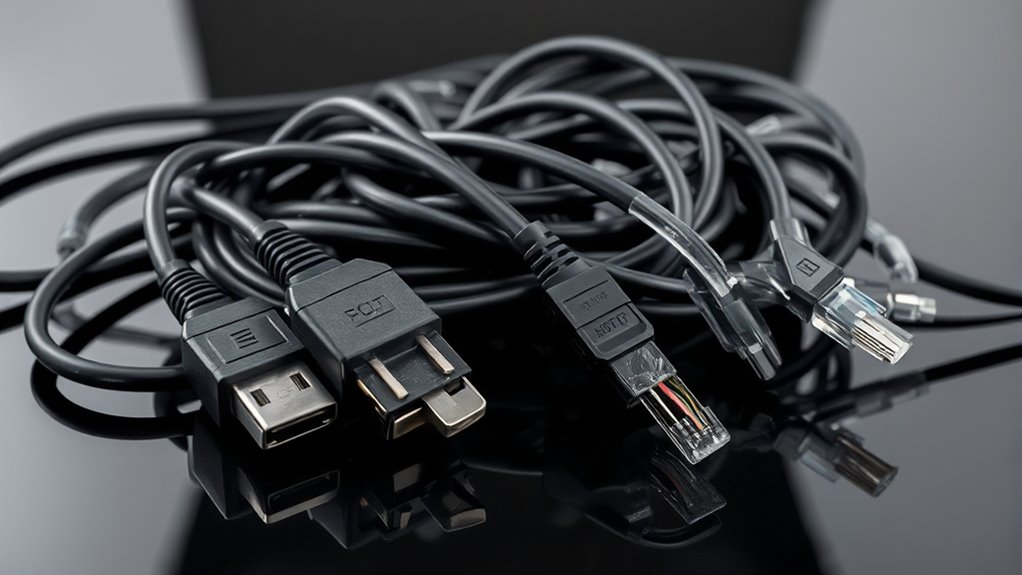
When it comes to connecting electronic devices, understanding the difference between power cables and data cables is essential. Power cables supply the necessary electrical current to operate gadgets, while data cables transfer information between devices. Recognizing this distinction helps you avoid mishaps, protects your equipment, and ensures everything functions smoothly. One of the key aspects to consider is electrical safety. Power cables are designed to handle high voltage and current loads, so using the wrong type or damaged cables can pose serious risks like short circuits or electrical fires. Always choose cables rated for your device’s power requirements, and inspect them regularly for signs of wear, fraying, or damage. Properly rated cables reduce the risk of electrical accidents and keep you safe while using your devices. Additionally, understanding the technology differences between cable types can help you select the most suitable options for your setup.
Cable durability is another critical factor. Power cables often endure more stress because they’re plugged and unplugged frequently, subjected to bending, twisting, or accidental pulls. Durable power cables feature reinforced connectors, thick insulation, and high-quality materials that withstand daily wear and tear. When selecting power cables, opt for those with robust construction to prevent breaks or faults over time. Data cables, on the other hand, need flexibility and precision for accurate signal transfer. They’re usually thinner, more delicate, and require careful handling to avoid internal damage or interference. A durable data cable maintains its integrity even after repeated use, ensuring consistent data transfer without loss or corruption.
Understanding the differences in cable construction helps you make better choices based on your needs. For instance, if you’re setting up a home theater or gaming station, investing in sturdy power cables ensures safety and longevity. Meanwhile, high-quality data cables with good shielding and durable connectors improve your connection stability, especially when dealing with high-speed internet or high-resolution displays. Keep in mind that not all cables are created equal; cheap or poorly made cables can compromise electrical safety and data integrity. Investing in reputable brands with good reviews often pays off in the long run by providing safer, more reliable connections.
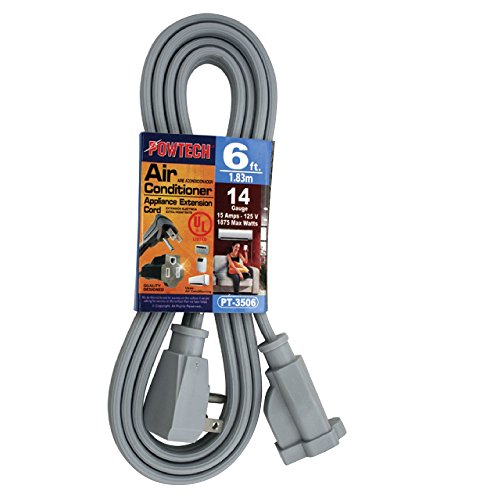
POWTECH Heavy duty 6 FT Air Conditioner and Major Appliance Extension Cord UL Listed 14 Gauge, 125V, 15 Amps, 1875 Watts GROUNDED 3-PRONGED CORD
Air Conditioner and Major Appliance Extension Cord UL Listed. Sturdy cord Ideal for plugging in large appliances such…
As an affiliate, we earn on qualifying purchases.
As an affiliate, we earn on qualifying purchases.
Frequently Asked Questions
Can Power Cables Also Transmit Data Signals Safely?
No, power cables typically don’t transmit data signals safely because they’re designed for electrical safety and power signals only. Attempting to send data through power cables can cause interference, data loss, and safety hazards. You should use dedicated data cables for data transmission to guarantee electrical safety and reliable signal transfer. Mixing power and data signals in the same cable isn’t recommended because it compromises performance and safety.
Are There Universal Connectors for Power and Data Cables?
You might believe universal connectors exist, but they don’t really offer true universal compatibility. While some standards like USB-C aim to unify power and data transmission, not all devices support them equally. Connector standards vary widely, and using incompatible connectors can cause damage or data loss. So, you need to check device specifications carefully and avoid assuming that one connector fits all, ensuring safe and reliable connections.
How Do Electromagnetic Interference Affect Data and Power Cables?
Electromagnetic interference can cause signal disruption in both data and power cables, leading to slower data transfer or power fluctuations. You might notice data corruption, poor connectivity, or even device malfunctions. To minimize these effects, keep cables away from electromagnetic sources like motors or wireless devices, and consider shielding or using higher-quality cables. Proper grounding and using twisted pairs can also help reduce electromagnetic interference, ensuring your cables work efficiently.
What Materials Are Used in High-Quality Power Versus Data Cables?
Imagine uncovering a cable’s secret: high-quality power cables use robust insulation materials like cross-linked polyethylene or rubber, paired with copper or aluminum conductors for durability. Data cables, however, rely on precise conductor compositions like twisted pairs of copper wires, surrounded by high-grade insulation such as polyethylene or Teflon to prevent interference. This careful selection guarantees ideal performance, shielding, and longevity in each cable type’s unique role.
Can Power Cables Be Used for Charging Data Devices?
You shouldn’t use power cables for charging data devices because of power compatibility and device safety concerns. Power cables are designed to handle high voltage, which can damage delicate data devices like smartphones or tablets. Using the wrong cables risks overheating, short circuits, or even permanent damage. Always use the appropriate data cable for charging your devices to guarantee safe, efficient power transfer and to protect your gadgets from harm.
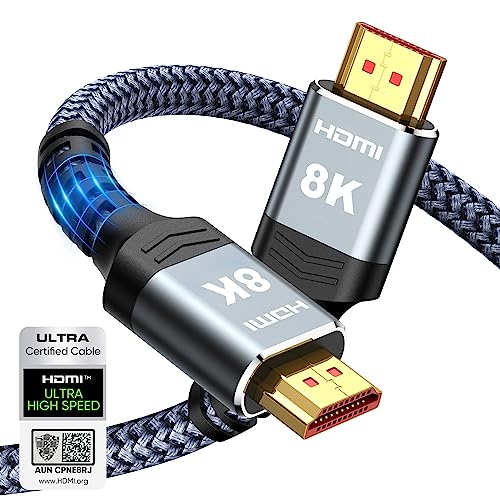
Highwings 8K 10K 4K HDMI Cable 48Gbps 6.6FT/2M, Certified Ultra High Speed HDMI Cable Braided Cord-4K@120Hz 8K@60Hz, DTS:X, HDCP 2.2 & 2.3, HDR 10 Compatible with Roku TV/PS5/HDTV/Blu-ray
Top Technology—-8K@60HZ: This 8K Ultra High Speed HDMI Cable uses the most cutting-edge technology, is compatible with 8K@60HZ…
As an affiliate, we earn on qualifying purchases.
As an affiliate, we earn on qualifying purchases.
Conclusion
Ultimately, understanding the difference between power cables and data cables is vital for safe, seamless, and swift success. By distinguishing their distinct duties and designing your device setup accordingly, you’ll avoid damage, disruptions, and dangerous dilemmas. Properly pairing power and data cables prevents potential problems and promotes performance and protection. Remember, choosing the correct cable type isn’t just about compatibility—it’s about creating a safe and superior system that stands strong and stays superb.

Monoprice USB-A Male to USB-B Male 2.0 Cable – 28/24AWG, Shielded, Gold Plated, 6 Feet, Black
Buy with Confidence: With Monoprice's Lifetime Warranty on all Cables, you can rest assured we stand behind our…
As an affiliate, we earn on qualifying purchases.
As an affiliate, we earn on qualifying purchases.

Standard 5ft (1.5m) 10 Amps 125 Volts Black 3 Prong AC Power Cord Cable for Electronics, TV, Computer, Printer, Radio, Monitor, Samsung, Dell, Vizio, LG, Asus, Laptop and More
LENGHT: Use this versatile 5ft (1.5m) power cable to reach your gear & deliver safe reliable power Perfect…
As an affiliate, we earn on qualifying purchases.
As an affiliate, we earn on qualifying purchases.