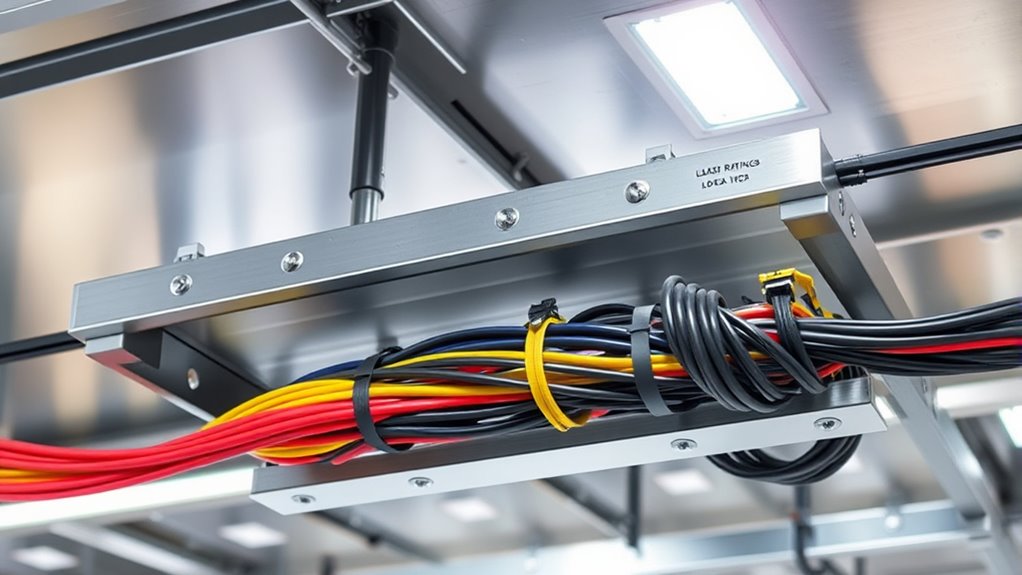

Ensuring the safety and reliability of your electrical system starts with understanding cable tray load ratings. If you overlook these specifications, you risk overloading, which can lead to equipment failure, fire hazards, and safety issues. Properly evaluating and adhering to load limits is essential for long-term system integrity. But what steps should you take to accurately determine and maintain safe loads throughout your installation?
Key Takeaways
- Always verify the cable tray’s maximum load capacity and ensure total cable weight stays within this limit.
- Distribute cables evenly across the tray to prevent stress points and overloading.
- Follow manufacturer installation guidelines to maintain safety and optimal performance.
- Conduct regular inspections to verify load compliance and identify potential safety issues.
- Document load calculations and installation procedures for future safety audits and maintenance.

Understanding cable tray load ratings is essential for guaranteeing safe and reliable electrical installations. When you’re working with cable trays, knowing their maximum load capacity helps prevent overloading, which can lead to equipment failure, fire hazards, or safety risks. Properly evaluating load ratings ensures that your wiring remains secure and that the entire system functions efficiently over time. One of the key aspects of maintaining safety in your installation is paying close attention to wire safety. This means not only selecting the right cables for your project but also ensuring they’re installed within the load limits specified by the manufacturer. Overloading a tray can cause cables to sag, become damaged, or even short-circuit, jeopardizing both safety and operational integrity. To avoid these issues, always refer to the installation guidelines provided with your cable trays. These guidelines outline essential details such as maximum weight capacities, spacing requirements, and proper cable bundling techniques. Following these instructions helps you distribute the load evenly, reducing stress on any single point and preventing potential failures.
When you’re planning your installation, start by calculating the total weight of all cables, connectors, and accessories that will reside in the tray. Be sure to include additional factors like cable insulation, protective coverings, and future expansion possibilities. Cross-check these totals against the tray’s load ratings to ensure there’s a comfortable margin of safety. Adhering to installation guidelines isn’t just about avoiding overload; it also promotes wire safety by ensuring cables are correctly supported and protected from damage. Proper support prevents unnecessary strain on the cables and minimizes the risk of accidental disconnections or short circuits. Furthermore, installing cables according to these guidelines helps maintain proper airflow and ventilation around the wires, reducing heat buildup that could compromise insulation and create fire hazards.
Regular inspections of cable trays and their contents are crucial to ensure ongoing compliance with load ratings, especially if modifications or additional wiring are introduced later. Keep documentation of your load calculations and installation procedures for future reference or inspections. Remember, the goal is to create a system where wire safety is prioritized, and all components work harmoniously. By understanding cable tray load ratings and rigorously following installation guidelines, you ensure that your electrical system remains safe, efficient, and compliant with safety standards. This proactive approach not only protects your equipment but also safeguards everyone who interacts with the installation, giving you peace of mind that your wiring setup is both robust and reliable.

Under Desk Cable Management Tray no Drill – Wire Management – Cord Organizer – Huge Load Capacity – Under Desk Cable Tray no Drill (Black, 2 Pieces Set)
Extra large: The cable management under desk has an extra-large and stronger design than many commercially available cable…
As an affiliate, we earn on qualifying purchases.
As an affiliate, we earn on qualifying purchases.
Frequently Asked Questions
How Often Should Cable Tray Load Ratings Be Reevaluated?
You should reevaluate the load capacity of your cable trays at least once every three to five years, or whenever there’s a significant change in the installed load. Regular assessments guarantee your system remains within safety compliance standards and can handle current demands. Keep an eye on any modifications or added equipment, as these can impact load ratings, making routine evaluations essential for maintaining a safe and compliant setup.
Can Load Ratings Change With Environmental Conditions?
Yes, load ratings can change with environmental factors. Factors like temperature, humidity, and exposure to chemicals can affect the load capacity of a cable tray over time. If the environment becomes more extreme or conditions worsen, the tray’s ability to support its designated load may decrease. You should regularly assess environmental conditions and adjust load ratings accordingly to guarantee safety and compliance.
Are There Industry Standards for Cable Tray Safety Inspections?
You should know that industry standards for cable tray safety inspections are well-established, with OSHA and NEC providing clear guidelines. In fact, regular inspections reduce electrical hazards by up to 40%. You need to follow proper inspection procedures to ensure safety compliance, preventing accidents and costly downtime. Staying current with these standards helps you maintain a safe work environment and protects everyone involved.
What Are the Consequences of Exceeding Cable Tray Load Limits?
If you exceed cable tray load limits, you risk overloading hazards that can cause the tray to bend, crack, or collapse. This compromises the structural integrity of the tray, leading to potential damage to cables and equipment. Overloading hazards also increase the chance of accidents or electrical faults, which can result in costly repairs and safety violations. Always adhere to load ratings to make certain of safety and reliability.
How Does Cable Type Influence Load Capacity Requirements?
You might be surprised how much cable type influences load capacity requirements. Thicker conductor sizes demand sturdier supports, and cable insulation materials can add weight, affecting total load. As you select cables, consider these factors carefully to prevent overloads. Ignoring these details could lead to unsafe conditions or system failures, so always balance cable insulation and conductor size with tray capacity to keep everything running smoothly and safely.

Helivivfy Cable Tray Cutting Tool PVC Cable Tray Cutter with Ruler, suitable for open-type plastic cable trays and covers, 45°/90° PVC Cable Tray Cutter Manual Guide Rail Cutter
MULTI FUNCTIONAL CUTTING: Supports 45° and 90° angle cutting, suitable for open PVC cable trays, with a maximum…
As an affiliate, we earn on qualifying purchases.
As an affiliate, we earn on qualifying purchases.
Conclusion
Think of your cable tray as the backbone of your electrical system, holding the weight of progress and safety. When you respect load ratings, you’re building a strong, steady bridge across potential hazards. Overloading threatens this bridge’s foundation, risking collapse. By carefully balancing your cables and following guidelines, you guarantee your system stands resilient—like a sturdy tree rooted deep, supporting the future growth and innovation you envision. Safety and reliability grow from mindful, measured load management.
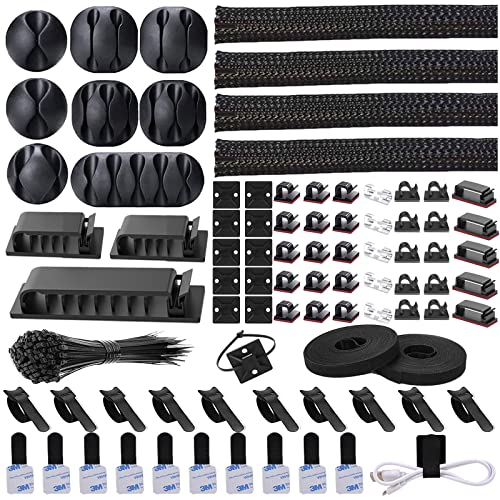
N NOROCME 192 PCS Cable Management Kit 4 Wire Organizer Sleeve,11 Cable Holder,35Cord Clips 10+2 Roll Cable Organizer Straps and 100 Fastening Cable Ties for Computer TV Under Desk, black,clear
Cable Management Kit: 4pcs Cable Sleeves( 20 in L x 0.4 in w), 20pcs reusable wire ties,35Cable Clips…
As an affiliate, we earn on qualifying purchases.
As an affiliate, we earn on qualifying purchases.
cable tray installation guidelines
As an affiliate, we earn on qualifying purchases.
As an affiliate, we earn on qualifying purchases.