When it comes to fire safety for cabling, your choices in insulation and installation practices can make a critical difference. Properly rated fire-resistant cables help prevent flames from spreading and keep emergency systems operational. Ensuring regular maintenance and adherence to safety codes reduces risks and protects everyone. But just how much do you know about the best practices for safeguarding your wiring against fire hazards?

Get business pricing on networking and server gear
- Business-only prices and quantity discounts
- Tax-exempt purchasing
- Multiple users, one account, clear invoices
Key Takeaways
- Use fire-resistant insulation materials rated for specific environments to prevent flame spread.
- Ensure proper installation and regular maintenance to detect and repair insulation damage promptly.
- Comply with local electrical codes and standards for cable insulation selection and installation practices.
- Manage cables properly to avoid overheating, physical damage, and deterioration of fire-resistant properties.
- Incorporate fire safety strategies that prioritize prevention through high-quality insulation and proactive inspections.
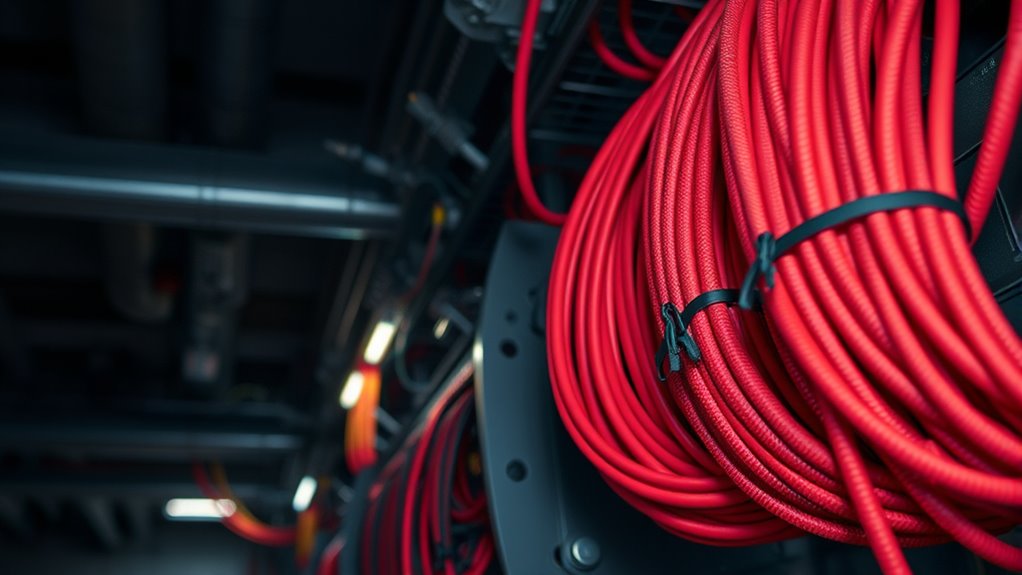
Ensuring fire safety for cables is essential to protect your property and lives. When it comes to safeguarding electrical wiring, paying attention to cable insulation is a crucial step. Proper insulation acts as a barrier, preventing sparks, sparks, and electrical faults from igniting nearby combustibles. High-quality cable insulation made from fire-resistant materials dramatically reduces the risk of fire spreading if a fault occurs. You should always choose cables with insulation that’s rated for your specific environment, especially in areas prone to heat, moisture, or chemical exposure. Using fire-resistant materials in cable insulation isn’t just about compliance; it’s about creating a safer space for everyone inside your building.
Prioritize fire-resistant cable insulation to enhance safety and prevent electrical fires in your property.
Fire-resistant cable insulation is designed to withstand high temperatures and prevent the propagation of flames. When cables are equipped with fire-resistant materials, they won’t easily ignite or contribute to a growing fire. Instead, they maintain their integrity longer, giving you precious extra time to react in case of a fire emergency. Installing cables with fire-resistant insulation in critical areas—such as emergency exits, stairwells, and fire alarm systems—can make a notable difference in stopping a fire from spreading. It’s an effective way to add an extra layer of safety, especially in commercial or industrial settings where the consequences of a fire can be devastating.
Beyond choosing cables with proper insulation, you should also guarantee that the entire cabling system is correctly installed and maintained. Faulty installation can damage the cable insulation, exposing conductors and increasing fire risk. Regular inspections help identify any wear, cracks, or deterioration in the insulation that could compromise fire safety. If you notice any damage, replace or repair the affected cables immediately. Additionally, bundling or running cables close together without proper spacing can cause heat buildup, which may degrade the insulation over time. Proper cable management is crucial in preserving the integrity of fire-resistant materials and preventing potential ignition points.
Finally, always adhere to local electrical codes and standards when selecting and installing cables. These regulations often specify the types of cable insulation suitable for various environments and applications. Investing in cables with the right fire-resistant materials isn’t just a precaution; it’s a proactive step toward minimizing fire hazards. Proper selection of fire-resistant insulation can significantly enhance overall safety and compliance. Remember, fire safety isn’t just about having fire extinguishers or alarms—preventing the fire from starting in the first place is your best defense. By prioritizing cable insulation and using fire-resistant materials, you’re taking a critical step toward protecting your property, assets, and the lives of everyone inside.
Frequently Asked Questions
How Does Cable Color Coding Impact Fire Safety Measures?
Cable color coding considerably impacts fire safety measures by helping you quickly identify cables’ functions and fire risk levels. When you use standardized colors, you reduce the chance of accidental damage or incorrect connections during maintenance, which could cause sparks or fires. Proper color coding also ensures you follow safety protocols efficiently, minimizing fire hazards and enabling faster responses in emergencies, ultimately protecting both personnel and property.
What Are the Best Practices for Installing Fire-Resistant Cabling?
When installing fire-resistant cabling, you should prioritize using fire-resistant materials and follow strict cable installation best practices. Guarantee you select cables rated for fire safety, secure them properly, and avoid overcrowding to prevent heat buildup. Use appropriate conduit and protective coverings, and follow local fire codes. Regular inspections and maintenance are essential to ensure ongoing safety, reducing the risk of fire hazards and ensuring reliable performance during emergencies.
Are There Specific Maintenance Routines to Prevent Cable Fires?
Think of your cabling system as the backbone of safety—keeping it healthy is essential. You should perform regular inspection routines to spot wear, damage, or overheating early. Make certain fire alarm integration is maintained so alarms trigger promptly if issues arise. Staying proactive prevents sparks from igniting fires, much like tending a garden keeps it thriving. Consistent checks safeguard your environment and keep everyone safe from potential cable fires.
How Do Environmental Factors Influence Cable Fire Risk?
Environmental hazards like moisture, heat, and chemicals can substantially raise your cable fire risk. These factors weaken cable insulation and promote corrosion, increasing the chance of sparks or short circuits. To combat this, you should use fire-resistant coatings that protect cables from environmental damage. Regularly inspecting and maintaining cabling in harsh environments helps you prevent fire hazards and ensures safety, especially in areas exposed to extreme conditions.
What Are the Legal Standards for Cable Fire Safety Compliance?
Imagine a building’s wiring as a shield, protecting occupants from danger. You must adhere to fire safety regulations and compliance standards, which set legal requirements for cable materials, installation methods, and fire resistance. These standards, like NFPA 70 (NEC) and local codes, ensure safety and reduce fire risks. Staying compliant not only fulfills legal obligations but also creates a safer environment, preventing potential hazards before they start.
Conclusion
By choosing fire-resistant cables and following proper installation practices, you markedly reduce fire risks. Regular maintenance and compliance with safety codes keep your wiring safe and reliable. Did you know that electrical fires account for nearly 13% of building fires annually? Staying vigilant with fire-safe cabling not only protects lives and property but also helps ensure your building remains compliant and secure during emergencies. Prioritize fire safety—it’s a critical step in safeguarding everyone.
Halloween Picks
halloween
As an affiliate, we earn on qualifying purchases.