
In the domain of network security, physical protection often takes a backseat, yet it’s the first line of defense against intruders. Imagine a network cable as the backbone of your infrastructure—easily compromised if left exposed. Properly securing these cables isn’t just about preventing theft; it’s about maintaining the integrity and reliability of your entire system. How you safeguard this crucial component can make all the difference when threats arise.
Key Takeaways
- Implement access controls like locked doors and biometric systems for server rooms and cable closets.
- Conceal cables using conduits, raceways, or behind walls to prevent tampering and theft.
- Use durable, tamper-resistant materials for network infrastructure to enhance physical resilience.
- Install surveillance cameras and alarms at critical access points to monitor and deter unauthorized entry.
- Conduct regular inspections and staff training to ensure security measures are maintained and effective.

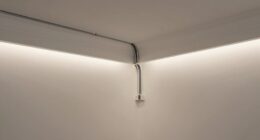
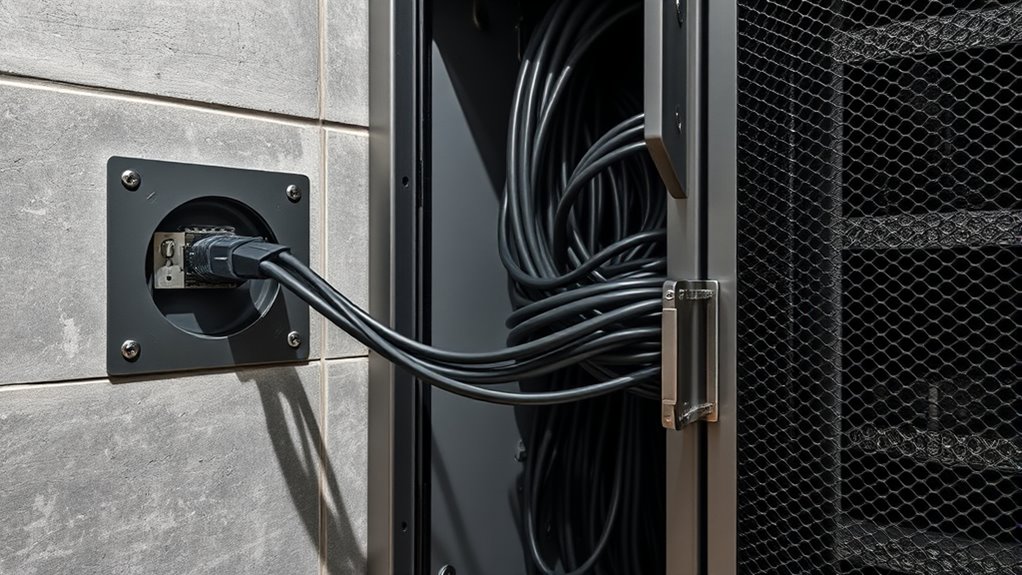
Physical security for network cables is a critical aspect of safeguarding your entire network infrastructure. Without proper measures, these cables can become vulnerable to tampering, theft, or accidental damage, which can compromise the entire system. One effective way to protect your cables is through cable concealment, where you hide or route cables out of sight to prevent unauthorized access. Concealing cables behind walls, within conduits, or under floors makes it harder for intruders to spot and tamper with them. Additionally, cable concealment helps maintain a tidy environment, reducing clutter and minimizing the risk of accidental disconnections or damage. When implementing concealment, consider using custom raceways, cable management trays, or even painting cables to match the surroundings to blend seamlessly into the environment.
Furthermore, selecting the right type of network infrastructure can improve physical security by ensuring durability and resistance to tampering. However, concealment alone isn’t enough; access control plays a crucial role in safeguarding your network cables. You want to set strict access controls around areas where cables are routed or terminated. This means restricting entry to server rooms, cable closets, or any space housing critical network infrastructure. Use locked doors, security badges, or biometric access systems to ensure only authorized personnel can reach these areas. By controlling who can access these spaces, you reduce the chances of malicious tampering or accidental interference. It’s also wise to implement surveillance cameras and alarm systems around key access points to monitor activity and deter unauthorized entry.
Moreover, coupling cable concealment with access control creates a layered security approach that considerably enhances your network’s safety. For example, hiding cables behind locked panels or within secure conduits means even if someone gains physical access to the area, they still face barriers preventing them from easily disconnecting or damaging the cables. Regularly inspecting these secure areas is equally important, ensuring that locks and security devices are functional and that no unauthorized access has occurred. Training staff about the importance of physical security and establishing clear protocols for handling network infrastructure can further reduce risks. Remember, physical security isn’t just about protecting hardware; it’s about preventing vulnerabilities that could lead to data breaches or network downtime.

20PCS RJ45 Network Cable Lock with 1 Key,RJ45 Network Cable Lock Lockable Ethernet Cable,Super Category 5 Category 6 Category 7 Patchcord Lock for Standard RJ45 Modular Plugs(Black)
【SECURE NETWORK CONNECTION】 The RJ45 Ethernet Cable Lock is designed to secure network connections from unauthorized access or…
As an affiliate, we earn on qualifying purchases.
As an affiliate, we earn on qualifying purchases.
Frequently Asked Questions
How Do I Detect Physical Tampering With Network Cables?
To detect cable tampering, you should install security sensors that monitor physical access to your network cables. These sensors can alert you immediately if someone tries to tamper with or disconnect cables. Regularly inspect the cables for any signs of tampering, such as cuts, abrasions, or unusual bends. Combining security sensors with routine checks helps you stay ahead of potential cable tampering and maintain your network’s integrity.
What Are the Best Materials for Cable Security Enclosures?
Ever wondered what materials offer the best protection? You should consider steel or heavy-duty aluminum for cable enclosure materials, as they provide superior security enclosure durability. These materials resist tampering, impact, and environmental damage, ensuring your cables stay safe. Using lockable enclosures with tough, corrosion-resistant surfaces adds an extra layer of security. Don’t compromise on quality—choose robust materials that safeguard your network infrastructure effectively.
How Often Should Physical Security Checks Be Performed?
You should perform physical security checks regularly, ideally every three to six months, depending on your environment. Maintain a consistent inspection frequency to identify potential vulnerabilities early. Additionally, schedule security audit intervals to review and update your security measures. Regular checks help make certain your network cables remain protected from tampering or damage, and adherence to these intervals keeps your security protocols effective and up-to-date.
Can Physical Security Prevent All Types of Cable Theft?
Physical security can substantially reduce cable theft, but it can’t prevent all types. By implementing cable concealment and strict access control, you make it harder for thieves to access or see cables, deterring theft. However, determined intruders might still find ways around these measures. Combining physical security with other security layers, like surveillance and alarms, offers the best protection, though no method guarantees complete prevention.
What Are the Legal Considerations for Cable Security Measures?
You must guarantee your cable security measures comply with legal requirements, including legal compliance and privacy regulations. Failing to do so can result in legal penalties or liability. You should implement security practices that respect individuals’ privacy rights and avoid unlawful surveillance or data collection. Always stay informed about local, state, and federal laws to protect both your network infrastructure and your organization from legal issues.

Delamu Cord Hider, 157in Wire Covers for Cords on Wall, Premium Cable Hider Cord Covers for Wires, Cable Management Wire Hiders for TV, Cable Raceway Kit, W0.95 H0.55in, White
Passing the UL94 V-0 Rating test, a plastics flammability standard released by Underwriters Laboratories of the United States,…
As an affiliate, we earn on qualifying purchases.
As an affiliate, we earn on qualifying purchases.
Conclusion
By securing your network cables, you’re building a fortress around your data, preventing unauthorized access and potential damage. Remember, neglecting physical security is like leaving your front door unfastened in a dangerous neighborhood—risking everything. When you combine concealment, sturdy infrastructure, and surveillance, you create a resilient shield. Protecting your cables isn’t just about security; it’s about safeguarding your peace of mind and the heartbeat of your network’s future.

Cable Matters 50-Pack RJ45 Dust Cover, Ethernet Port Cover, Cat 6 RJ45 Anti-Dust Covers for Patch Panel, Network Switches, Routers, Server Racks, Computers, Black
Protect RJ45 Ports: Safeguard your equipment with the Cable Matters RJ45 Dust Covers. These RJ45 dust covers shield…
As an affiliate, we earn on qualifying purchases.
As an affiliate, we earn on qualifying purchases.

TP-Link Tapo 1080P Indoor Security Camera for Baby Monitor, Dog Camera w/Motion Detection, 2-Way Audio Siren, Night Vision, Cloud & SD Card Storage, Works w/Alexa & Google Home (Tapo C100)
【Motion Detection & Instant Notification】Get instant push notifications when motion, person or baby crying is detected, there is…
As an affiliate, we earn on qualifying purchases.
As an affiliate, we earn on qualifying purchases.