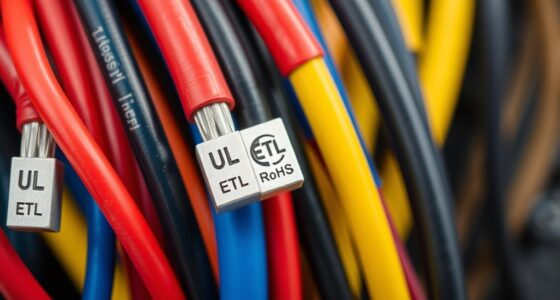
While a neatly organized cabling system might seem like a minor detail, it’s actually the backbone of reliable network performance. Following BICSI best practices guarantees your infrastructure remains scalable, easy to troubleshoot, and compliant with industry standards. Yet, many overlook these guidelines, risking future issues. Understanding these principles can save you time and money down the line—so, what are the key steps to creating a robust structured cabling setup?
Key Takeaways
- Follow BICSI standards for designing and installing structured cabling systems to ensure reliability and performance.
- Use proper cable management techniques, including organized pathways and secure routing, to prevent damage and facilitate maintenance.
- Clearly label cables and document all connections and pathways for easy troubleshooting and future upgrades.
- Adhere to industry guidelines for fiber optic handling, including avoiding sharp bends and proper termination practices.
- Ensure compliance with BICSI and industry standards, including testing and quality assurance, to optimize system integrity.
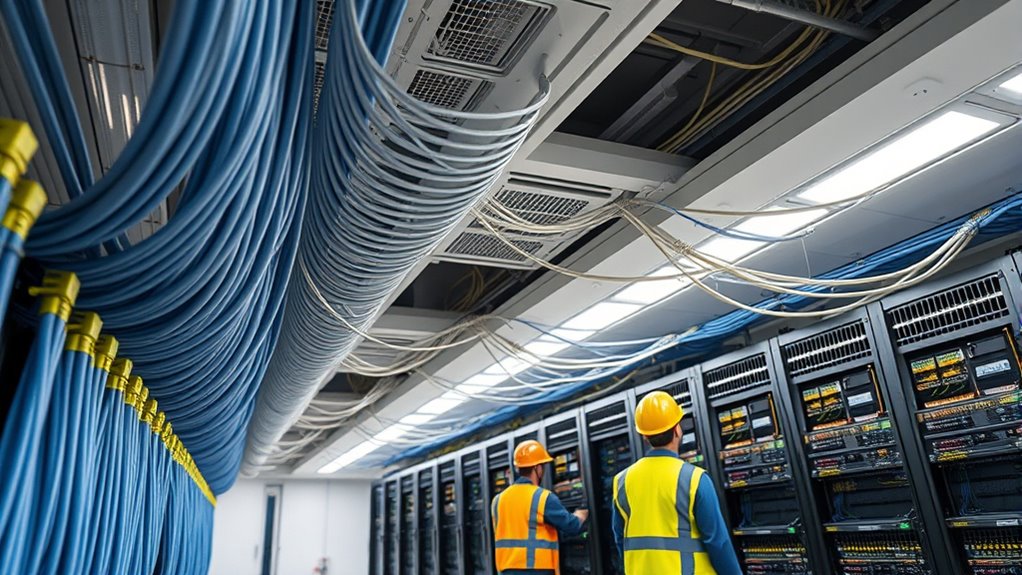
Structured cabling is the backbone of modern communication networks, ensuring reliable and efficient data transmission. When designing and installing a cabling system, you need to pay close attention to the quality and organization of your infrastructure. Fiber optic cables are increasingly popular because they offer high bandwidth and long-distance capabilities, making them ideal for supporting the growing demands of data centers, offices, and enterprise networks. However, simply using fiber optic cables isn’t enough; proper cable management is essential to maintain system performance, ease future upgrades, and simplify troubleshooting.
Effective cable management starts with planning your layout carefully. You should organize cables neatly within racks, trays, or conduits to prevent tangling and minimize stress on the fibers. Proper routing ensures that fiber optic cables are protected from bending beyond their minimum bend radius, which can cause signal degradation or damage. You’ll want to use cable ties, Velcro straps, or cable organizers to keep everything in order, avoiding loose or cluttered pathways that can impede airflow or increase the risk of accidental disconnections. When handling fiber optic cables, always be cautious to prevent sharp bends, kinks, or pulling, as this can compromise performance.
In addition to managing the physical cables, labeling is a pivotal aspect of good cable management. Clearly mark each cable at both ends with unique identifiers to facilitate troubleshooting and future expansions. This practice saves you time and effort when diagnosing issues or upgrading parts of the network. It’s also wise to document your cable routes and connections in a detailed diagram or database, so you always know exactly what’s connected where, which is especially helpful in complex installations.
BICSI best practices emphasize the importance of organized cable pathways. Use structured pathways like cable trays, raceways, or conduits to keep cables secure and accessible. This organization not only improves system reliability but also guarantees compliance with industry standards. When installing fiber optic cables, avoid tight bends and unnecessary tension, and use appropriate connectors and adapters to maintain signal integrity. Proper termination and testing of fiber optic links are pivotal to guarantee *best* performance and minimize future issues.

KUAGINZUHE 100 Pack 2-Inch Galvanized Steel Cable Support J-Hooks with Retainer Clips – Heavy Duty Wall Mount Cable Management Hooks for Structured Cabling & Organization
Premium Galvanized Steel Construction:KUAGINZUHE J-Hooks are crafted from heavy-duty galvanized steel, ensuring superior strength, rust resistance, and long-term…
As an affiliate, we earn on qualifying purchases.
As an affiliate, we earn on qualifying purchases.
Frequently Asked Questions
How Often Should Structured Cabling Systems Be Inspected and Maintained?
You should conduct inspections of your structured cabling system at least annually to guarantee peak performance. Follow a regular maintenance schedule, checking for wear, damage, or loose connections that could affect network reliability. More frequent inspections are advisable if your environment experiences heavy usage or environmental stress. Staying consistent with your inspection frequency and maintenance schedule helps prevent issues before they escalate, ensuring your cabling system remains efficient and reliable over time.
What Are the Latest BICSI Standards for Outdoor Cabling Installations?
Think of outdoor cabling as a shield against nature’s elements. BICSI standards emphasize outdoor compliance and weather resilience, guiding you to select durable materials like UV-rated jackets and corrosion-resistant connectors. You should install cables with proper grounding, secure physical protection, and appropriate routing to prevent damage from weather, wind, or pests. Regular inspections guarantee ongoing resilience, making your outdoor infrastructure dependable and compliant with the latest safety and performance standards.
How Can I Ensure Scalability in a Structured Cabling Design?
To guarantee scalability in your structured cabling design, focus on future-proofing your system by incorporating modular components that can be easily upgraded or expanded. Plan for increased bandwidth and additional connections by choosing flexible hardware and leaving space for future growth. Regularly review your design against evolving standards and technology trends, and document your infrastructure thoroughly to facilitate seamless upgrades and expansions down the line.
What Are Common Troubleshooting Steps for Cabling Connectivity Issues?
When troubleshooting cabling connectivity issues, start by inspecting physical connections and looking for damage. Use cable testing to verify continuity and proper wiring. If problems persist, perform signal troubleshooting to identify interference or degraded signals. Check for proper termination and test each segment systematically. Document your findings, and replace faulty cables or connectors as needed. This approach helps quickly isolate issues and restore reliable connectivity.
How Does BICSI Recommend Handling Cable Management in Data Centers?
Ever wonder how to keep your data center efficient and safe? BICSI recommends prioritizing cable organization by using proper cable management techniques and securing cables neatly to prevent tangling. You should also implement clear equipment labeling, making it easier to identify connections quickly. These practices help reduce downtime, improve airflow, and facilitate maintenance, ensuring your data center runs smoothly and stays well-organized.

Fiber Optic Termination Tool Kit FTTH Cable Cold Welding Tool Set with X5 Grey Optical Fiber Cleaver with FC-LC Adapter D7 OPM
FTTH Equipent Accessories:Fiber optic tool bag,Optical Fiber Cleaver, OPM, fiber optic stripping pliers, cleaning bottle, cleaning paper, 2-in-1…
As an affiliate, we earn on qualifying purchases.
As an affiliate, we earn on qualifying purchases.
Conclusion
By following BICSI best practices, you guarantee organized installation, reliable performance, and easy maintenance. You create clear pathways, avoid tight bends, and label cables for quick identification. You prioritize proper termination, thorough testing, and detailed documentation. You design for scalability, support future upgrades, and enhance system integrity. When you adhere to these standards, you build a structured cabling system that’s efficient, resilient, and ready to meet your network needs now and in the future.
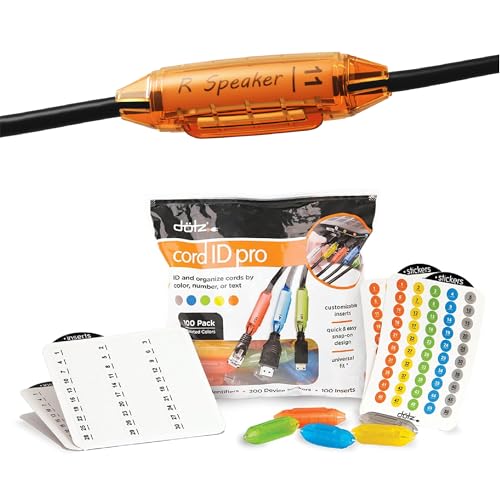
Cord ID Pro Cord & Cable Identification System – Efficient Cord Organizer Tags for Office, Commercial & Institutional Use- Easily Manage Network Cables with Cable Labels for Hassle-Free Setup– DCI151M
Efficient Cable Organization: Our cord organizer system simplifies the task of managing cables in your home or office….
As an affiliate, we earn on qualifying purchases.
As an affiliate, we earn on qualifying purchases.
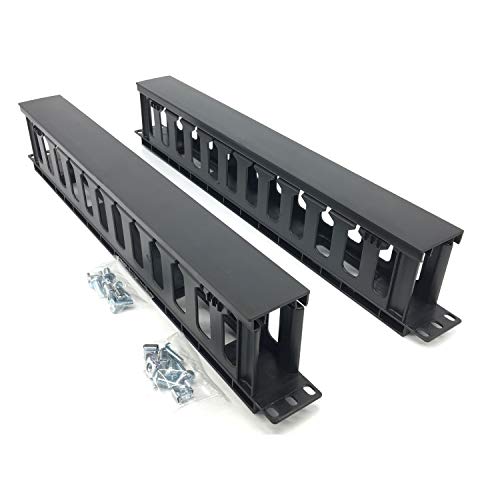
QiaoYoubang 2 Pack 1U 12 Slot Horizontal Rack Mount Cable Management Organizer Plastic 19" Rack Mount with M6 Screws and Cage Nuts (PCMB12S2PC)
Functions: Keeping your cables organized on a rack mount. Reducing the possibility of disconnections and maintaining the organization…
As an affiliate, we earn on qualifying purchases.
As an affiliate, we earn on qualifying purchases.