
To make your cable plant easier to audit later, focus on consistent labeling, thorough documentation, and regular inspections. Use clear, standardized labels that stay legible over time, and keep detailed records of your network layout and connections. Organize fiber management to prevent clutter, and perform routine checks for wear or loose connections. These practices streamline troubleshooting and reduce audit time, helping guarantee your network remains reliable. Keep exploring to discover more ways to optimize your cable plant.

Get business pricing on networking and server gear
- Business-only prices and quantity discounts
- Tax-exempt purchasing
- Multiple users, one account, clear invoices
Key Takeaways
- Implement standardized, durable labeling for quick and accurate identification of cables and connections.
- Maintain comprehensive, regularly updated documentation of network layouts and connections.
- Follow industry best practices for fiber management to reduce clutter and prevent disconnections.
- Conduct routine inspections and upkeep to identify and resolve issues proactively.
- Organize the cable plant systematically to simplify troubleshooting and future upgrades.

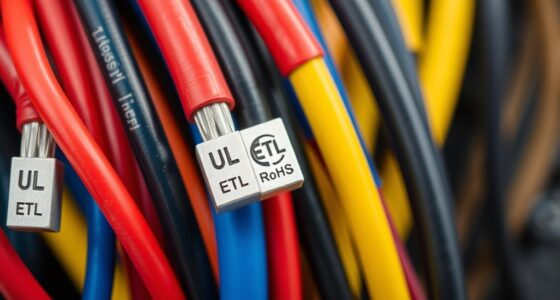
Labeling standards also play a pivotal role in making your cable plant easier to audit later. Consistent, clear labeling helps you instantly identify what each cable connects to, what equipment it serves, and its location within your infrastructure. When labels follow a standardized format—such as including site code, rack number, port number, and cable type—you eliminate guesswork. Using durable labels that withstand environmental factors guarantees labels stay legible over time, which is indispensable for ongoing maintenance. When your labels are systematic, audits become more efficient because you and your team can verify connections at a glance, reducing the need to trace cables physically or consult multiple documentation sources. Additionally, implementing standardized labeling practices can significantly decrease the time spent during audits and troubleshooting. Maintaining comprehensive documentation further supports this effort, ensuring all records are current and accurate, which is essential for efficient network management. In addition to fiber management and labeling standards, maintaining extensive documentation supports easier audits. Keep detailed records of your network layout, cable pathways, and connection points. Regularly updating your documentation assures that any changes or upgrades are reflected accurately. Incorporating best practices in fiber management can further streamline your audit process by promoting consistency and clarity across your infrastructure. This documentation, combined with a well-organized fiber management plan and standardized labeling, creates a clear picture of your entire cable plant, which simplifies troubleshooting and future upgrades. Recognizing the importance of comprehensive data collection can further enhance your ability to maintain an organized cable plant.
Consistent, durable labels with standardized formats streamline audits and ensure quick, clear cable identification.
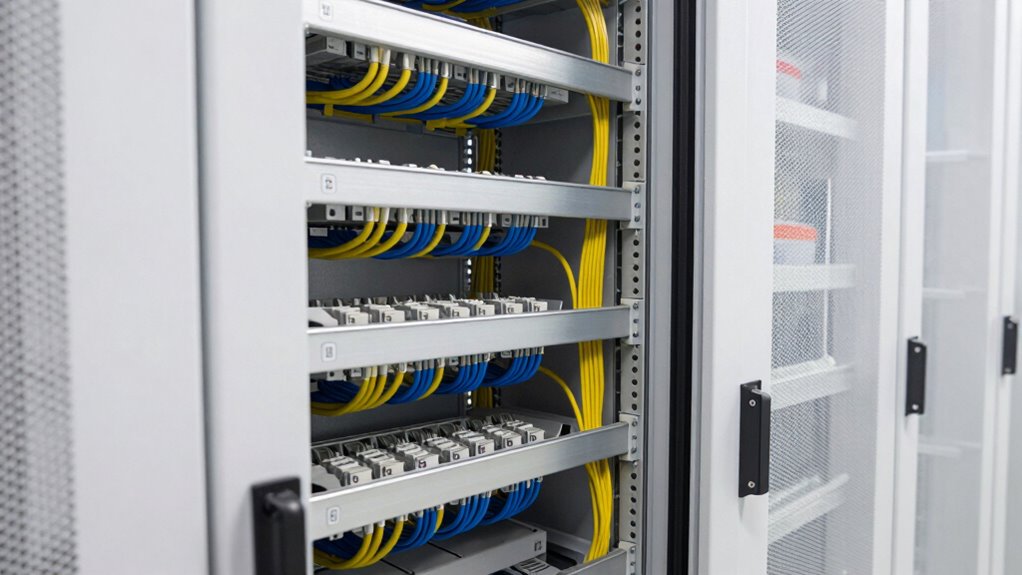
Furthermore, adopting a proactive approach to cable plant maintenance is essential. Schedule routine inspections to check for wear and tear, loose connections, or mislabeled cables. Address issues promptly to prevent them from escalating into more significant problems during an audit. When your cable plant is well-maintained, organized, and clearly labeled, audits become less invasive and more about validation than reconstruction. Proper cable management strategies can help prevent clutter and accidental disconnections, further easing the audit process.
Ultimately, the effort you put into proper fiber management, consistent labeling standards, and thorough documentation will pay off during audits. These practices not only streamline the process but also improve your network’s reliability and scalability. When your cable plant is easy to audit later, you save time, reduce downtime, and guarantee your infrastructure remains robust and ready for future growth.
As an affiliate, we earn on qualifying purchases.
Frequently Asked Questions
How Often Should a Cable Plant Be Audited?
You should audit your cable plant regularly, ideally every 6 to 12 months, to guarantee remote testing and documentation accuracy. Frequent audits help you catch issues early, update any changes, and verify the integrity of your cabling infrastructure. By maintaining consistent schedules, you reduce surprises during formal audits and keep your system reliable. Regular reviews also make future audits smoother and less time-consuming, saving you effort and resources over time.
What Tools Are Essential for Cable Plant Auditing?
Did you know that structured cable management reduces troubleshooting time by up to 30%? For effective cable plant auditing, you need essential tools like cable testers, label makers, and documentation standards adherence. These tools help verify proper connections, maintain organized cable management, and guarantee accurate records. Using high-quality testers and clear documentation makes audits quicker and more thorough, preventing future issues and simplifying maintenance.
Who Should Conduct the Cable Plant Audit?
You should have a qualified technician or a certified auditor conduct the cable plant audit. They’re familiar with cabling standards and documentation best practices, guaranteeing an accurate assessment. This person will verify proper labeling, neat cable management, and compliance with standards. Their expertise helps identify issues early, making future audits smoother. By choosing the right professional, you guarantee your cable plant remains well-documented and compliant for easy, efficient future inspections.
How Do You Prioritize Areas for Auditing?
You should prioritize areas for auditing based on cable routing complexity and adherence to documentation standards. Focus first on high-traffic or critical zones where errors could cause major disruptions. Confirm documentation is complete and up-to-date, especially in complex routing sections. Regularly review these areas, and address any discrepancies immediately. This approach helps you catch issues early, making future audits smoother and more efficient.
What Are Common Mistakes in Cable Plant Documentation?
Nearly 60% of cable plant issues stem from poor documentation. Common mistakes include inconsistent cable labeling, which causes confusion, and neglecting documentation standards. You often overlook updating records after changes, making future audits difficult. To avoid this, make certain your documentation is clear, accurate, and follows established standards. Proper labeling and meticulous record-keeping streamline audits and help prevent costly troubleshooting down the line.
cable management and labeling kit
As an affiliate, we earn on qualifying purchases.
As an affiliate, we earn on qualifying purchases.
Conclusion
By organizing your cable plant from the start, you make future audits straightforward and less time-consuming. Some might think it’s too much effort now, but it pays off later when troubleshooting or upgrading. Investing a little extra time in labeling, documenting, and tidying up means you’ll save hours down the road. So, don’t skip the details—your future self will thank you for a clean, well-documented cable system that’s easy to review and maintain.
network cable documentation software
As an affiliate, we earn on qualifying purchases.
As an affiliate, we earn on qualifying purchases.
cable organizer and management rack
As an affiliate, we earn on qualifying purchases.
As an affiliate, we earn on qualifying purchases.
Fall Picks
fall essentials
As an affiliate, we earn on qualifying purchases.