
A good cable labeling standard guarantees clarity, efficiency, and safety by using consistent, color-coded labels that quickly identify cable types and functions. You should organize labels logically by location, purpose, and connection point, keeping them simple, durable, and easy to read. Incorporating standardized icons and clear hierarchies helps with maintenance and troubleshooting. Maintaining extensive documentation ensures everyone stays on track. If you want to learn how to implement these practices effectively, keep exploring the details below.
Key Takeaways
- Uses consistent, descriptive labels organized hierarchically by location, function, and connection point.
- Implements standardized abbreviations, symbols, and clear, legible font styles.
- Applies color coding corresponding to cable types or functions for quick visual recognition.
- Employs durable, weatherproof labels suitable for harsh environments and regular maintenance.
- Maintains comprehensive documentation of labeling standards for training and future references.

Have you ever wondered why consistent cable labeling is vital in complex networking setups? The answer lies in clarity, efficiency, and safety. A good cable labeling standard makes it easier to identify, trace, and troubleshoot cables quickly, saving you time and reducing errors. When establishing such a standard, color coding plays an essential role. By assigning specific colors to different types of cables or functions—say, blue for data, red for power, green for backup—you create an immediate visual cue. This practice minimizes the risk of disconnecting the wrong cable and accelerates maintenance work. But color coding alone isn’t enough; a well-structured labeling hierarchy is equally important. You should develop a systematic approach that prioritizes logical organization—such as labeling cables by their location, purpose, or connection point. Using a consistent naming convention, like building-floor-room-cable number, ensures everyone on your team can interpret labels easily, regardless of their familiarity with the setup.
In practice, a good labeling system combines clear, descriptive labels with a logical hierarchy that doesn’t overwhelm or confuse. For example, the first part of the label might specify the site location, followed by the type of connection, and finally a unique identifier. This hierarchy helps you and your team quickly understand what each cable does and where it connects. To make it even more effective, you should incorporate standardized abbreviations and avoid ambiguous terms. Consistency is key; every label should follow the same format, font, and size, which helps prevent misreading during inspections or repairs. Keep labels durable and legible, even in harsh environments, using weatherproof materials if necessary. Additionally, adhering to established cable labeling standards ensures compatibility and uniformity across different systems and teams. Proper documentation enhances system management by providing a reference that supports ongoing maintenance and upgrades. Developing a comprehensive labeling policy helps ensure everyone understands and applies the standards uniformly, reducing variability and errors. Incorporating visual cues like symbols or icons can further enhance quick recognition, especially in complex setups.
A good cable labeling standard also involves documentation. Record your color codes, hierarchy structure, and naming conventions in a master document accessible to everyone involved. This documentation acts as a reference resource that simplifies training new team members and ensures everyone stays aligned. Regular review and updates ensure your standards remain relevant as your network expands or changes. When everyone follows the same systematic approach, troubleshooting becomes a matter of reading labels, not guessing or tracing cables blindly. This organized method improves overall network reliability and minimizes downtime. Ultimately, your goal is to create a labeling system that’s intuitive, consistent, and scalable—making your network easier to manage and maintain over time. When you implement a thoughtful standard with clear color coding and a logical hierarchy, you set yourself up for smoother operation and faster problem resolution, even in the most complex setups.

Cable Labels Wire Zip Ties, Self-Locking Cord Markers with Waterproof Plastic Tags – for Electrical Wiring, Ethernet Identification & Cabling
Very Useful Wire Labels – Perfect for identifying cable types and sorting wires. Keep cables tidy for wiring…
As an affiliate, we earn on qualifying purchases.
As an affiliate, we earn on qualifying purchases.
Frequently Asked Questions
How Often Should Cable Labels Be Updated or Replaced?
You should update or replace cable labels whenever there’s a change in the system, such as re-routing or upgrades. Regularly check labels for wear, fading, or damage, ideally every 6 to 12 months. Confirm color coding remains consistent and labels are legible, with clear, uniform fonts. Maintaining this routine helps prevent confusion, ensures safety, and keeps your system organized, making troubleshooting much easier over time.
Are There Industry-Specific Labeling Standards for Certain Sectors?
Think of cable labeling standards like traffic laws tailored for each city’s unique roads. Many sectors have industry-specific standards, making sure your labels meet industry compliance and adhere to best practices. For example, healthcare or data centers might follow strict guidelines to guarantee safety and clarity. By aligning your labeling practices with these standards, you ensure your system functions smoothly, avoiding confusion and ensuring safety across all sectors.
What Tools Are Recommended for Creating Durable Cable Labels?
You should use thermal transfer printers with high-quality, weather-resistant labels to guarantee label durability and visibility. These printers produce smudge-proof, fade-resistant labels that withstand harsh environments. Opt for labels made from durable materials like polyester or vinyl, which resist tearing and moisture. Applying clear, bold fonts and contrasting colors enhances visibility, making your labels easy to read long-term. Regularly check and replace labels to maintain clear identification.
How Do Labeling Standards Differ for Indoor vs. Outdoor Cables?
They say, “A chain is only as strong as its weakest link,” and that’s true for cable labeling too. Indoor cables often use color coding and clear, consistent fonts for easy identification, while outdoor cables need labels resistant to weather, UV, and moisture. You’ll want to adapt font size and materials accordingly, ensuring labels stay legible. So, tailor your standards to environment, emphasizing durability and clarity for both settings.
Can Label Standards Accommodate Future Cable System Expansions?
Yes, label standards can accommodate future system expansions by addressing scalability challenges and ensuring labeling consistency. You should design your labeling system with flexibility in mind, using clear, hierarchical labels that can easily incorporate new cables. Regularly reviewing and updating standards helps maintain consistency. This proactive approach guarantees your labeling remains clear and organized, even as your cable infrastructure grows, reducing confusion and simplifying maintenance during future expansions.

35 Pcs Multicolored Color-Coded Nylon Cable & Cord Labels (7 Colors, 5 Each) – Reusable Hook & Loop Wire Tags, Residue-Free Ink-Proof Water-Resistant Identification Labels for Home Office Data Centers
【End Cord Chaos】- Sick of unplugging the wrong cord? These 35-piece cost-effective color-coded cable labels (7 colors, 5…
As an affiliate, we earn on qualifying purchases.
As an affiliate, we earn on qualifying purchases.
Conclusion
By adopting a clear cable labeling standard, you’re building a roadmap through your wiring wilderness, turning chaos into clarity. Think of your labels as guiding stars, leading you effortlessly through troubleshooting and upgrades. When every cable is marked and organized, you’re not just maintaining order—you’re weaving a resilient tapestry of connectivity that stands the test of time. A good standard isn’t just a guideline; it’s the backbone of a smoothly flowing, stress-free network.
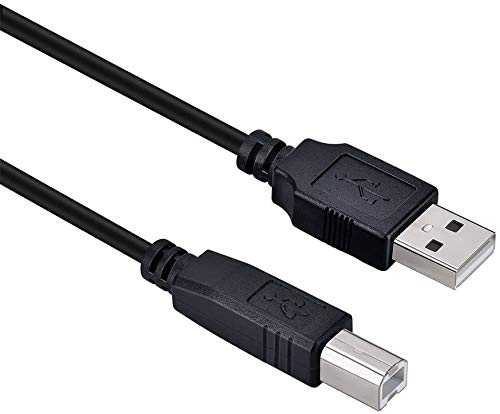
Liphontcta Thermal Label Printer USB Cable 10FT Compatible with MUNBYN, DYMO Label Writer 450 Twin Turbo
High-quality Replace USB cable
As an affiliate, we earn on qualifying purchases.
As an affiliate, we earn on qualifying purchases.

Klein Tools 56250 Wire Marker Book for Cable Management, Electric Panel Organization Wire Label Stickers, Numbered 1-48
More pages of the frequently used low numbers (1-24)
As an affiliate, we earn on qualifying purchases.
As an affiliate, we earn on qualifying purchases.