Did you know that choosing between renting and buying specialized tools isn’t just about cost, but also about how often you’ll use them? Many professionals overlook the long-term implications of their decision, which can lead to unnecessary expenses or equipment shortages. Understanding when to rent versus buy can save you time and money, but it requires careful assessment of your project scope and equipment lifespan. Curious about how to make the right choice in different situations?
Key Takeaways
- Rent for short-term, infrequent projects to minimize upfront costs and maintenance responsibilities.
- Buy when tools are needed regularly, ensuring availability and long-term cost savings over multiple uses.
- Consider renting if equipment quickly becomes obsolete or requires frequent repairs, making buying less economical.
- Evaluate total costs, including purchase price, maintenance, storage, and depreciation, before deciding.
- Use initial assessment to match project scope, budget, and equipment lifespan, guiding whether to rent or buy.
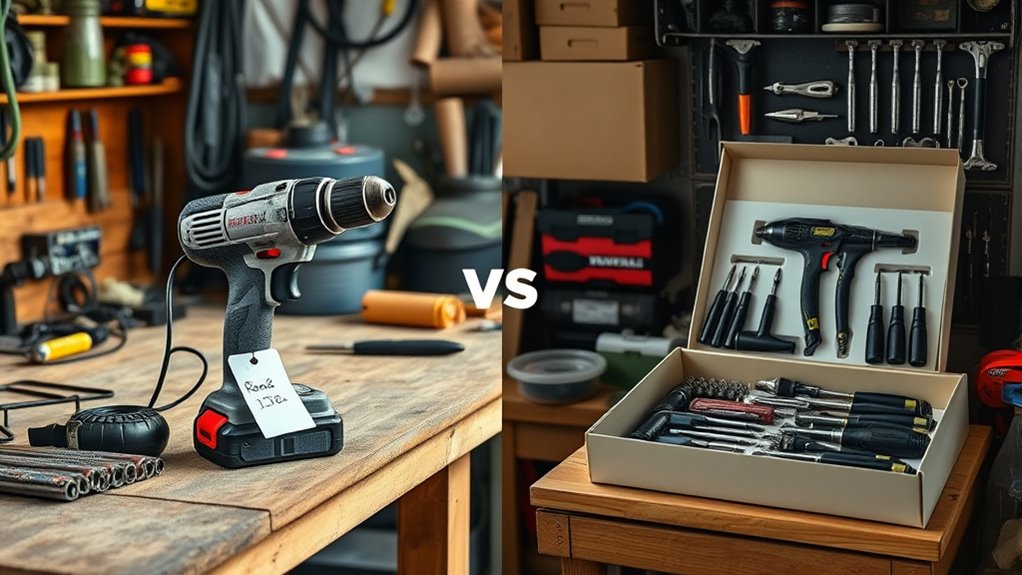
When deciding whether to rent or buy specialized tools, it’s essential to contemplate your project’s scope, budget, and how often you’ll need the equipment. This initial assessment helps you determine the most practical approach, especially when considering factors like cost analysis and equipment lifespan. If your project requires a one-time use or occasional tasks, renting often makes more sense financially. Renting allows you to access the latest models without a significant upfront investment, saving you money in the short term. Plus, when you rent, maintenance and repairs are typically handled by the rental company, reducing your ongoing costs.
Assess your project’s needs and budget to decide whether renting or buying specialized tools is most practical.
On the other hand, if you frequently work on projects requiring the same equipment, buying might be a smarter long-term choice. Although the initial cost can be high, owning the tools means you have immediate access whenever needed, and over time, the overall cost might be less than continuous rentals. Here, understanding the equipment lifespan becomes vital. You need to evaluate how long the tools will remain effective and safe to use. If the lifespan aligns with your expected usage, purchasing could be more economical, especially when factoring in the costs of repeated rentals. However, if the equipment is likely to become obsolete or require frequent repairs, buying may not be the best investment.
Performing a thorough cost analysis helps you compare the expenses involved in renting versus buying. This includes not just the rental fees or purchase price but also maintenance, storage, and potential downtime costs. Renting often involves predictable costs, making budgeting simpler, while buying involves a larger upfront expense but potentially lower cumulative costs over multiple uses. Consider also the depreciation of the equipment, which impacts its resale value if you choose to sell later. Knowing the equipment’s expected lifespan and how it depreciates can influence your decision, ensuring you don’t invest in tools that will become obsolete quickly. Additionally, understanding the cookie categories can help you manage privacy and data preferences that might impact your online research or procurement processes.
Ultimately, the decision hinges on your specific needs and financial situation. If you only need the tools temporarily or sporadically, renting minimizes risk and upfront costs. Conversely, if your projects demand frequent use and you want long-term access, buying could prove more economical, provided the equipment is durable and has a sufficient lifespan. Carefully weigh the cost analysis and anticipated lifespan of the tools to make the choice that best aligns with your goals, budget, and operational needs.
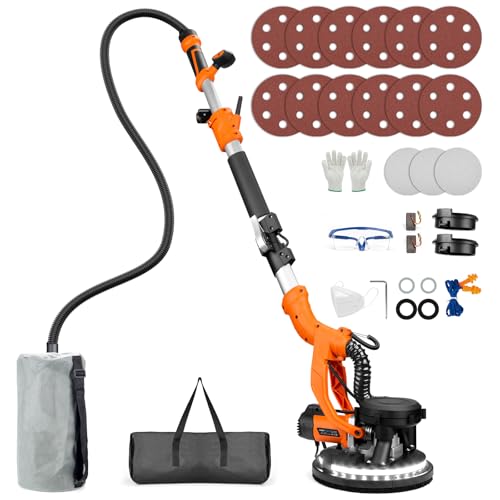
Drywall Sander, 1000W Popcorn Ceiling Removal Tool, Automatic Drywall Sander with Vacuum Dust Collection, LED Light, 6 Variable Speed 800-2200RPM, Foldable & Extendable Handle,15Pcs Sanding Discs
[1000W Pure Copper Motor & 2200RPM High Efficiency – Works Perfectly in Any Scene] High-power high-speed electric drywall…
As an affiliate, we earn on qualifying purchases.
As an affiliate, we earn on qualifying purchases.
Frequently Asked Questions
How Do I Determine the Long-Term Cost Difference?
To determine the long-term cost difference, start with a cost analysis comparing rental fees and purchase prices. Consider your usage frequency—if you need the tool often, buying might be more economical. Also, factor in maintenance, storage, and potential downtime costs. If your usage is infrequent, renting could save money. Weigh these aspects carefully to see which option aligns better with your budget and project needs.
Are There Safety Concerns With Renting Versus Buying?
While it’s tempting to consider convenience, safety should be your top priority. Renting tools often involves rental liability, meaning the rental company handles tool safety and maintenance, reducing your risk. Buying gives you control over tool safety, but you must stay vigilant to guarantee proper use. Ultimately, assess the reliability of rental providers and your own ability to maintain safety standards to minimize hazards, whether renting or owning.
What Are the Warranty Options for Rental Tools?
Rental tools often come with warranty options that include coverage for tool maintenance and repairs, so you’re protected if something goes wrong. You should check the rental agreement for specific rental coverage details, as some companies offer extended warranties or maintenance packages. This way, you avoid unexpected repair costs, ensuring your project stays on track without worrying about the condition of the rental tools.
How Should I Store Tools After Use?
Did you know that proper storage can extend your tools’ lifespan by up to 50%? After use, always clean your tools thoroughly to prevent rust and damage. Use appropriate storage solutions like tool chests, wall hooks, or climate-controlled cabinets to keep them organized and protected. Regular tool maintenance and proper storage guarantee your tools stay in top condition, ready for your next project and saving you money long-term.
Can I Rent Tools for Multiple Projects Simultaneously?
Yes, you can rent tools for multiple projects simultaneously, but you should verify the rental agreements for any restrictions or additional fees. Keep in mind that proper tool maintenance is essential to guarantee they stay in good condition for each use. Renting multiple tools at once may require coordinating pick-up and return times, so communicate clearly with the rental company to avoid delays or extra charges.

Power Drill Cordless: DEKOPRO Cordless Drill 20V Electric Power Drills Set Tool Drills Cord-less Set with Battery and Charger
【Power Drill Set】This power drill are perfect for DIY and home repairs
As an affiliate, we earn on qualifying purchases.
As an affiliate, we earn on qualifying purchases.
Conclusion
Choosing whether to rent or buy your specialized tools is like walking a tightrope—you need to balance costs, usage, and project needs. If you only need the tools temporarily, renting keeps your wallet and workload lighter. But for frequent use, buying becomes your steady anchor. By weighing these factors carefully, you’ll find the perfect fit. Remember, making the right choice is like planting a seed—you’ll reap the benefits in the long run.

Goldblatt 2 Piece Glass Tile Nippers Set – Heavy Duty Wheeled Glass Mosaic Nipper & Hd Ceramic Tile Nipper, Tile Cutter Pliers Soft-grip Handle – Shapping Plier, Nipper Cutting Tools, Stone, Metal
Make sure the thickness of the glass is larger than 1/16" (1.5mm), otherwise the pliers do not work….
As an affiliate, we earn on qualifying purchases.
As an affiliate, we earn on qualifying purchases.

Westinghouse WPX3400 Gas Pressure Washer, 3400 PSI and 2.6 Max GPM, Onboard Soap Tank, Spray Gun and Wand, 5 Nozzle Set, for Cars/Fences/Driveways/Homes/Patios/Furniture
3400 PSI and 2.6 GPM of Powerful, Deep-Cleaning Water Pressure Perfect for Decks, Sidewalks, Siding, Fences, Railings, Garage…
As an affiliate, we earn on qualifying purchases.
As an affiliate, we earn on qualifying purchases.