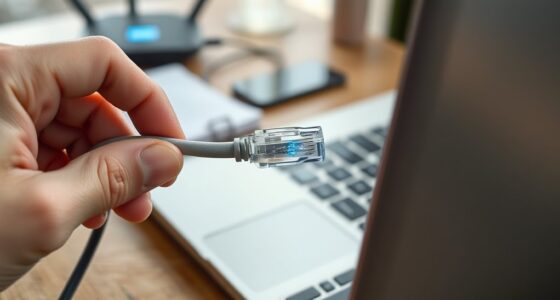

When installing cables, it’s easy to overlook common mistakes that can compromise safety and performance. Rushing through planning, choosing the wrong cable types, or neglecting proper management can lead to costly repairs or system failures. These oversights might seem minor at first, but they often result in bigger issues down the line. Understanding these pitfalls helps you avoid costly setbacks—if you’re curious about what to watch out for, keep going.
Key Takeaways
- Lack of proper planning leads to inefficient routing, increased costs, and system unreliability.
- Using incorrect cable types or gauges can cause performance issues and safety hazards.
- Poor cable management results in damage, difficulty troubleshooting, and extended maintenance.
- Environmental exposure without protection degrades cables, risking corrosion and system failure.
- Oversights like neglecting standards, securing cables, or labeling hinder system safety and future upgrades.

Installing cables might seem straightforward, but even small mistakes can lead to costly problems later on. Understanding common errors during cable installation helps you avoid pitfalls that could cause system failures, safety hazards, or increased expenses. One of the most frequent cable installation mistakes is neglecting proper planning before starting. Without a clear layout, you risk running cables through areas with high interference, sharp edges, or extreme temperatures. This oversight can lead to damaged cables or poor performance down the line. Many installers overlook the importance of mapping out your route, which could result in unnecessary rerouting, increasing labor time and costs.
Proper planning prevents costly cable installation mistakes and ensures system reliability.
Another common error is using the wrong type or gauge of cable for the job. Different applications demand specific cables; for example, data cables require shielding to prevent interference, while power cables need adequate gauge to handle current loads. Choosing incompatible cables not only hampers performance but can also create safety hazards like overheating or fire risks. Additionally, failing to follow manufacturer guidelines and wiring standards often causes problems. When you ignore recommended installation practices, you might end up with loose connections, improper grounding, or unsecured cables, all of which compromise system reliability and safety.
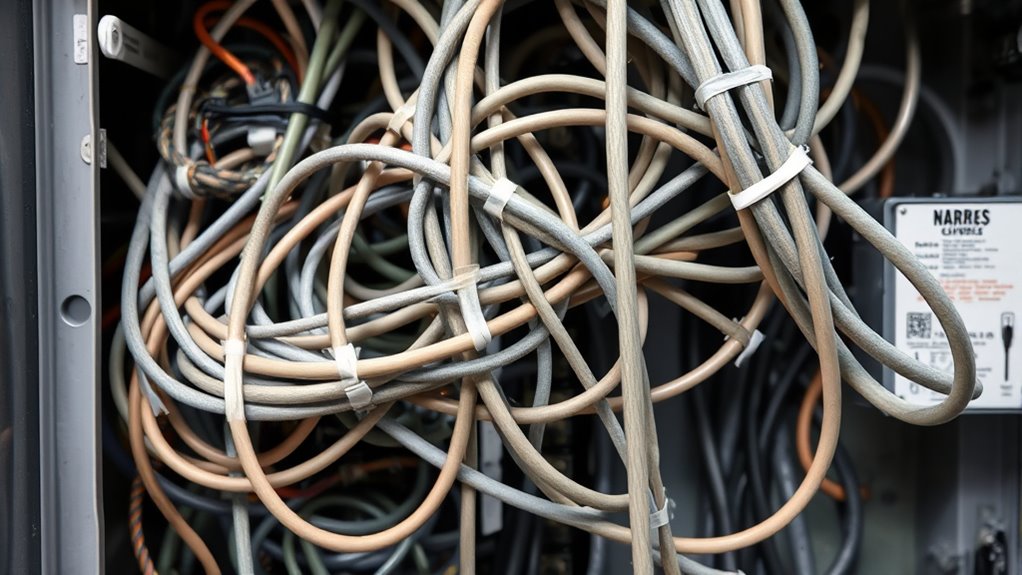
Poor cable management is another prevalent mistake that can lead to headaches later on. When cables are tangled, unorganized, or run haphazardly, troubleshooting becomes a nightmare, and the risk of damage increases. Not securing cables properly with clips or ties can cause stress on connectors and lead to disconnections or failures over time. Moreover, neglecting to leave slack in the cables can make maintenance difficult and increase the chance of accidental pulls that damage the wiring. Overlooking proper labeling is also a common error, making it challenging to identify circuits during repairs or upgrades, which wastes time and increases the likelihood of mistakes.
Lastly, many installers forget about environmental factors that can affect cable longevity. Installing cables in areas exposed to moisture, extreme heat, or direct sunlight without proper protection can degrade the insulation prematurely. Not using protective conduits or weatherproofing measures can lead to corrosion, short circuits, or complete failure of the system. Paying attention to environmental considerations and avoiding these common errors ensures your installation is durable, safe, and efficient. Being mindful of these details and avoiding common errors ensures your installation is durable, safe, and efficient. Paying attention to planning, materials, management, and environmental considerations helps you sidestep costly cable installation mistakes and guarantees a smoother, more reliable setup.
Frequently Asked Questions
How Can I Prevent Cable Damage During Installation?
To prevent cable damage during installation, you should carefully handle the cables, avoiding excessive bending or pulling. Use proper cable wrapping techniques to prevent kinks, and guarantee connectors are of high quality to reduce stress on the cables. Always support cables along their length and avoid tight bends near connectors. Taking these steps helps protect your cables from damage, ensuring a longer lifespan and reliable performance.
What Tools Are Essential for Proper Cable Installation?
Think of your tools as the keys to a well-oiled machine. You need a cable tester to guarantee connector integrity, a cable stripper for clean cuts, and a crimping tool to secure connections properly. Use cable ties and management clips to keep everything organized, preventing damage and ensuring smooth cable management. These essential tools help you install cables efficiently, maintain their integrity, and avoid costly mistakes down the line.
How Do Environmental Factors Affect Cable Longevity?
Environmental factors like exposure to moisture, temperature fluctuations, and chemical exposure can accelerate environmental degradation, shortening your cable’s lifespan. To combat this, guarantee your cables have strong corrosion resistance, especially in harsh environments. Properly sealing and protecting cables from water, chemicals, and extreme temperatures helps maintain their integrity and performance over time. Regular inspections and choosing suitable materials are key to maximizing cable longevity in challenging conditions.
What Are the Signs of Poor Cable Installation?
You might notice some subtle signs of poor cable installation, like frequent disconnections or slow data transfer. During cable inspection, look for pinched or bent cables, loose connections, or damaged insulation. Ignoring installation guidelines can lead to these issues. If you see these signs, it’s a good idea to revisit proper procedures, ensuring your setup is reliable and long-lasting, preventing future problems before they become more serious.
How Often Should Cables Be Inspected After Installation?
You should inspect cables at least every six months, depending on your environment and usage. Follow a regular maintenance schedule to catch issues early, such as wear or damage from environmental factors. More frequent inspections are necessary if cables are exposed to heavy use, extreme temperatures, or potential physical damage. Consistent inspection frequency helps guarantee cable safety, longevity, and ideal performance, preventing costly repairs or disruptions down the line.
Conclusion
Don’t let careless cable choices and chaotic clutter cause costly complications. Carefully plan your routes, select suitable cables, and secure every connection. Keep cables clean, labeled, and protected from moisture and heat. By avoiding these common mistakes, you’ll build a safe, stable, and sustainable system. Remember, proper planning prevents poor performance—so stay savvy, organized, and observant to guarantee your cables stay clear, clean, and connected for years to come.