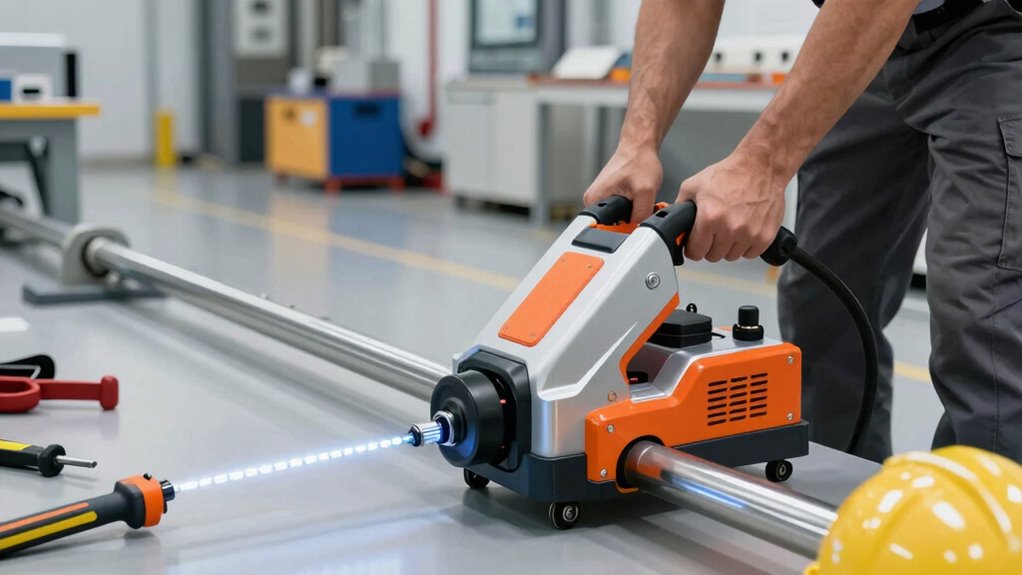

When dealing with long conduit runs, choosing the right cable puller can dramatically improve efficiency and safety. For heavy-duty applications, the Electric Cable Puller, 1000lb Wire Puller Drill Powered stands out for its high torque and versatility, making it ideal for demanding jobs. The Handheld Drill Powered Cable Puller offers a portable, user-friendly solution with adjustable features, perfect for complex or tight spaces. However, these options come with tradeoffs: the electric puller requires a compatible drill and is relatively heavy, while the handheld model demands a strong drill and might be less effective for extremely long or heavy pulls. Keep reading to see how these and other picks compare for your long conduit needs.

Get business pricing on networking and server gear
- Business-only prices and quantity discounts
- Tax-exempt purchasing
- Multiple users, one account, clear invoices
Complete the kit


Key Takeaways
- Electric cable pullers with high torque support heavy-duty, long runs but can be bulky and require compatible drills.
- Fiberglass duct rodders excel for threading through tight, complex conduit systems due to flexibility and durability.
- Portability is a key advantage of drill-powered pullers, but they often need compatible drills and may be heavy for extended use.
- Heavy-duty fiberglass fish tapes are ideal for high-resistance environments, though they can be cumbersome to handle.
- Choosing the right tool depends on conduit size, cable weight, and installation complexity.


| cable pullers for long conduit run | Material |
|---|---|
| Electric Cable Puller | Aircraft-grade aluminum and reinforced steel |
| 1000-lb Electric Cable Puller | Aluminum-steel |
| 6mm | Epoxy fiberglass, HDPE |
| Handheld Drill Powered Cable P | Aircraft-grade aluminum and steel |
| Fiberglass Fish Tape 8mm | Fiberglass with steel frame |
More Details on Our Top Picks
Electric Cable Puller, 1000lb Wire Puller Drill Powered, Handheld Wire Tugger, Cable Pulling Tool for #14–1/0 Wires in 1/2″–4″ Conduit
This electric cable puller transforms your cordless drill into a powerful, heavy-duty wire tugger suited for long, demanding conduit runs. Its support for up to 1,000 lbs of pull force makes it ideal for commercial or industrial projects. Compared with other options, it offers a robust adjustable boom and durable aircraft-grade aluminum construction, but its weight (16 pounds) and the need for a compatible drill mean it’s less ideal for prolonged handheld use or lighter jobs. It supports conduit sizes from 1/2″ to 4″ and supports a variety of drills, making it a flexible choice for professionals who need raw pulling power.
Pros:- Transforms standard cordless drills into powerful wire pullers
- Supports up to 1,000 lbs of pull force for heavy-duty jobs
- Adjustable boom and pivoting head for versatile pulling angles
Cons:- Heavy weight may cause fatigue during extended use
- Rigid conduit (1 inch) needed for monopod setup (not included)
- Requires compatible drill for operation
Best for: Professional electricians handling large, long conduit runs with heavy cables
Not ideal for: DIYers or those working in tight spaces where portability matters most
- Weight:16 pounds
- Dimensions:17.7 x 10.6 x 10.6 inches
- Maximum Pull Force:1,000 lbs
- Supported Conduit Size:1/2″–4″
- Compatible Drills:18V–20V cordless drills
- Material:Aircraft-grade aluminum and reinforced steel
Our verdict“Best for professionals needing reliable, high-capacity pulling in long conduit runs.”
1000-lb Electric Cable Puller, Powered Wire Pulling Tool for #14–1/0 Wires, Compatible with 18V-20V Drills
This model stands out for its straightforward, powerful design, supporting up to 1,000 lbs of pull capacity, making it suitable for demanding electrical installations. It’s fully compatible with common 18V–20V drills, offering portability and flexibility in tight spaces. Unlike the previous pick, it features multi-directional pulling and adjustable components, but it shares the requirement for a compatible drill and can be heavy for extended handheld use. Its support for wire sizes from #14 to 1/0 and conduit diameters from 1/2″ to 4″ makes it versatile for various project scales.
Pros:- Supports up to 1000 lbs peak pulling force
- Compatible with common cordless drills for portability
- Multi-directional pulling with adjustable components
Cons:- Requires a compatible drill to operate
- Heavy for prolonged use
- Limited to specific wire and conduit sizes
Best for: Electricians needing a reliable, powerful puller with good value for frequent long runs
Not ideal for: Casual users or projects requiring lightweight, less bulky tools
- Pulling Force:1000 lbs peak
- Wire Range:#14–1/0
- Conduit Size:1/2″–4″
- Power Compatibility:18V-20V drills
- Material:Aluminum-steel
- Warranty:1 year
Our verdict“Excellent for heavy-duty applications where cost-effectiveness and power are priorities.”
6mm (1/4″) x 500ft Fiberglass Duct Rodder, Heavy-Duty Electrical Fish Tape with Steel Reel Stand & Cage Wheel
This fiberglass duct rodder excels in threading through long, tight, or complex conduit systems. Its 500-foot length and 6mm diameter make it highly flexible and capable of navigating difficult paths. The epoxy fiberglass core provides strength and corrosion resistance, while the steel reel stand offers stability. Compared to powered pullers, it’s not suitable for heavy cable pulls but offers unmatched finesse for guiding wires through intricate runs or in confined spaces. Its weight (around 8 pounds) makes it manageable, yet still requiring careful handling.
Pros:- Flexible and resistant to rust and corrosion
- High strength and durability
- Includes a sturdy reel stand and cage wheel
Cons:- Heavy weight may be cumbersome
- Limited to threading, not pulling heavy cables
- Price may be higher for a non-powered tool
Best for: Electricians working in tight or complex conduit systems where threading is challenging
Not ideal for: Heavy-duty cable pulls or long-distance runs with very heavy cables
- Length:500 ft
- Diameter:6 mm (1/4 in)
- Material:Epoxy fiberglass, HDPE
- Temperature Range:-40°C to +80°C
- Bend Radius:130°
- Reel Material:Steel
Our verdict“Ideal for precise threading in complex conduit configurations, not for heavy cable pulling.”
Handheld Drill Powered Cable Puller with 1000lb Force, Adjustable Electric Wire Puller & Wire Tugger for 1/2″ to 4″ Conduit, Heavy Duty Wire Puller Tool for Electricians with 6 Pcs Cable Puller Socks
This drill-powered cable puller makes pulling long cables through conduit quick and manageable. Its 1,000 lbs peak force, adjustable boom, and compatibility with 1/2″ to 4″ conduit make it a versatile choice for varied project scenarios. The telescoping boom allows for precise alignment, especially in tight or awkward spaces, and the included cable socks simplify handling different cable types. While it’s lightweight enough for a single electrician to carry, it still requires a compatible drill and may struggle with extremely long or heavy pulls, making it best suited for moderate to long conduit runs with complex angles.
Pros:- Transforms a common drill into a high-force puller
- Adjustable telescoping boom for tricky angles
- Includes multiple cable puller socks for versatility
Cons:- Relies on a compatible drill
- May be heavy for continuous handheld use
- Less effective for very long or very heavy pulls
Best for: Electricians needing a portable, adaptable puller for medium to long runs in tight spaces
Not ideal for: Heavy industrial applications or extremely long conduit runs
- Force:1000 lbs peak
- Conduit Range:1/2″ to 4″
- Material:Aircraft-grade aluminum and steel
- Reel Stand:Yes
- Boom Type:Telescoping
- Included Accessories:6 cable puller socks
Our verdict“Excellent for complex, medium-length conduit runs where portability and flexibility are needed.”
Fiberglass Fish Tape 8mm (0.31in) x 426ft with Steel Stand and Copper Head for Conduit and Electrical Installation
This fiberglass fish tape is designed for threading through long and complex conduit systems. Its 426-foot length and 8mm diameter provide high flexibility and durability, making it well-suited for guiding cables through walls, ducts, or intricate runs. The steel stand and copper head facilitate easy handling and guiding, while its non-conductive nature ensures safety around electrical systems. Compared with powered pullers, this tape is more manual but offers unmatched finesse for delicate threading tasks, especially in environments where electrical safety and corrosion resistance are priorities.
Pros:- Durable and flexible for long runs
- Corrosion-resistant and non-conductive
- Includes copper head for guiding cables
Cons:- Heavy weight (24.2 pounds) for prolonged use
- Large size less portable in tight spaces
- Price details not specified
Best for: Electrical installers dealing with long, intricate conduit runs requiring precise threading
Not ideal for: Heavy cable pulling or applications needing powered tools
- Length:426 ft
- Diameter:8 mm (0.31 in)
- Material:Fiberglass with steel frame
- Weight:24.2 pounds
- Color:Yellow
- Temperature Range:-40°C to +80°C
Our verdict“Best for detailed threading in long or complex conduit runs, prioritizing safety and finesse.”

How We Picked
To select the best cable pullers for long conduit runs, I focused on tools that combine power, versatility, and durability, essential for extended cable feeds. I prioritized models that support heavy loads (up to 1,000 lbs), are compatible with common cordless drills, and are suitable for conduit diameters of 1/2″ to 4″. I also considered ease of use, portability, and construction quality, favoring options that balance performance with practical tradeoffs. Fiberglass fish tapes were included for their threading capabilities in complex or tight spaces. Each product was evaluated against similar tools, with a clear understanding of who benefits most and who should skip each option, to provide a decision-oriented guide.| cable pullers for long conduit run | Material |
|---|---|
| Electric Cable Puller | Aircraft-grade aluminum and reinforced steel |
| 1000-lb Electric Cable Puller | Aluminum-steel |
| 6mm | Epoxy fiberglass, HDPE |
| Handheld Drill Powered Cable P | Aircraft-grade aluminum and steel |
| Fiberglass Fish Tape 8mm | Fiberglass with steel frame |
Factors to Consider When Choosing Cable Pullers For Long Conduit Runs
Choosing the right cable puller for long conduit runs depends on several factors, including job complexity, cable weight, conduit size, and accessibility. Power options like electric pullers excel in heavy-duty, long-distance applications, but they require compatible drills and tend to be bulkier. Manual options like fiberglass fish tapes are ideal for intricate threading or delicate environments, though they lack the pulling power for heavy cables. When evaluating options, consider your specific project requirements, including conduit diameter, cable weight, and whether portability or maximum pulling force is more important. The goal is to select a tool that balances power, ease of use, and durability to keep your long conduit projects on track.
Power and Capacity
For long runs with heavy cables, electric pullers supporting up to 1,000 lbs are often the best choice. These tools convert standard cordless drills into high-torque pullers, significantly reducing manual effort. However, they can be bulky and require a compatible drill, which may increase the overall weight and complexity of your setup. If your project involves lighter cables or shorter runs, manual fiberglass tapes or smaller powered options might be more practical, offering better control and less weight.
Size and Compatibility
Ensure your chosen tool fits your conduit size—most models support 1/2″ to 4″ diameters. Power pullers with adjustable booms or reels provide flexibility in positioning and pulling angles, especially for long or complex runs. Fiberglass fish tapes excel in threading through tight or convoluted conduit pathways, but they lack pulling force. Consider the environment: heavy-duty powered pullers are better for open, accessible spaces, while manual tapes are suited for confined or delicate installations.
Portability and Ease of Use
Portability becomes a key factor if you work in multiple locations or need to navigate tight spaces. Drill-powered pullers are generally lighter and more compact than floor-standing hydraulic or motorized systems. However, they rely on a strong, compatible drill and may require two hands during operation. Fiberglass tapes are lightweight but require careful handling to avoid damage. Evaluate your physical capacity and workspace constraints to choose a tool that minimizes fatigue and maximizes efficiency.
Durability and Material
Durability is critical for professional use. Power tools with aircraft-grade aluminum and reinforced steel components tend to last longer under daily abuse. Fiberglass tapes with epoxy cores resist corrosion and temperature extremes, suitable for outdoor or challenging environments. Always check the quality of reel stands and heads, especially if threading through tough or abrasive conduits, to avoid damage and ensure smooth operation over time.
Frequently Asked Questions
Can I use a drill-powered puller for all conduit sizes?
Most drill-powered pullers support conduit sizes from 1/2″ to 4″, making them versatile for standard electrical installations. However, for larger or specialty conduits, you should verify the specific model’s supported diameter to ensure compatibility. Using a tool outside its supported range can lead to inefficient pulling or equipment damage, so always check the manufacturer’s specifications before proceeding.Are fiberglass fish tapes suitable for heavy-duty cable pulling?
Fiberglass fish tapes are designed primarily for threading and guiding cables through complex or tight conduits rather than pulling heavy cables directly. Their flexibility and corrosion resistance make them ideal for delicate threading tasks, but they lack the pulling force needed for large or heavy cables. For heavy-duty pulls, powered electric pullers are generally more appropriate.What safety considerations should I keep in mind?
Safety is paramount when operating cable pullers, especially those supporting heavy loads. Always wear appropriate personal protective equipment, such as gloves and eye protection. Ensure the tool is properly secured and in good condition before use, and avoid overloading the equipment beyond its rated capacity. When using powered tools, keep clear of moving parts and maintain a stable footing to prevent accidents.How do I maintain my cable puller for longevity?
Regular maintenance includes cleaning the equipment after each use, inspecting for damage or wear, and lubricating moving parts as recommended by the manufacturer. Store tools in a dry, secure location to prevent corrosion, especially for metal components. For fiberglass tapes, avoid excessive bending or dropping to preserve their integrity, and replace damaged or worn parts promptly.Is it worth investing in a powered puller versus manual tools?
Powered pullers provide significant advantages in terms of pulling capacity, speed, and ease, especially for long, heavy, or complex runs. They reduce manual labor and increase safety by minimizing the risk of wire insulation damage. However, they come with higher initial costs and require compatible power sources. For small projects or occasional use, manual tools like fiberglass tapes may suffice, but for frequent or large-scale jobs, investing in a powered system often pays off in efficiency and durability.Conclusion
For professional electricians handling extensive, heavy-duty conduit runs, investing in a high-capacity electric puller like the Electric Cable Puller, 1000lb Wire Puller makes sense, despite its weight and setup requirements. Those working in tight or complex spaces will benefit from the Handheld Drill Powered Cable Puller for its flexibility and portability. DIYers or smaller contractors may find a fiberglass fish tape sufficient for threading long or intricate conduit runs, especially when safety and finesse are priorities. Consider your project scope, environment, and budget when choosing the right tool to ensure smooth, efficient installations every time.
Halloween Picks
halloween
As an affiliate, we earn on qualifying purchases.