As you explore the landscape of IoT connectivity, low power networking technologies like Bluetooth Low Energy, Zigbee, and Thread stand out for their efficiency and sustainability. These protocols are designed to extend device battery life while maintaining reliable data transfer over short distances. But as these technologies evolve, they open up new possibilities for autonomous, maintenance-free networks—yet, understanding their differences and applications is key to making the most of them.
Key Takeaways
- Low power wireless protocols like BLE, Zigbee, and Thread optimize short-range communication to reduce energy consumption.
- Energy harvesting techniques enable devices to supplement or replace batteries by capturing environmental energy sources.
- Combining low power protocols with energy harvesting extends device lifespan and enables maintenance-free, autonomous sensor networks.
- Advancements in energy harvesting and protocol efficiency drive longer operation times and reduced operational costs.
- Integrating these technologies supports resilient, off-grid IoT deployments in energy-constrained environments.
As the demand for connected devices continues to grow, low power networking technologies have become essential for enabling efficient communication without draining batteries. You need to understand that wireless protocols play a critical role in this landscape. These protocols are designed specifically to reduce power consumption while maintaining reliable data transfer, making them ideal for devices with limited energy sources. For instance, protocols like Bluetooth Low Energy (BLE), Zigbee, and Thread are optimized for short-range communication and low power use, allowing your devices to stay connected for extended periods without frequent recharging. This is particularly important in applications like wearables, smart sensors, and home automation, where long-lasting battery life is crucial.
Energy harvesting techniques complement these wireless protocols by providing alternative or supplementary power sources. Instead of relying solely on batteries, your devices can capture energy from environmental sources such as light, vibrations, heat, or radio frequency signals. For example, solar cells can generate power from ambient light, while piezoelectric materials can convert vibrations into usable energy. When integrated with low power wireless protocols, energy harvesting allows your devices to operate continuously without the need for frequent battery replacements or recharges. This combination greatly extends device lifespan and reduces maintenance costs, making your systems more sustainable and cost-effective.
Energy harvesting extends device lifespan by enabling continuous operation without frequent battery replacements.
You should also recognize that advancements in energy harvesting are making it increasingly feasible to deploy autonomous, maintenance-free sensor networks in remote or hard-to-reach locations. Sensors embedded in infrastructure, agriculture, or environmental monitoring stations can harvest energy locally and communicate efficiently using optimized wireless protocols. This synergy means your devices can function reliably with minimal intervention, even in off-grid environments. Furthermore, as energy harvesting technology evolves, the power demands of wireless protocols decrease further, enabling even more energy-efficient communication standards.
In addition, considering the integration of these technologies into your projects means you can design smarter, more resilient networks. By choosing the right wireless protocols suited for low power operation and pairing them with energy harvesting solutions, you guarantee your devices are not only energy-efficient but also capable of operating independently for years. This reduces the need for maintenance, lowers operational costs, and promotes sustainability. As your network grows, these strategies help you build scalable systems that are both environmentally friendly and economically viable. Low Power Networking Technologies are transforming how connected devices operate in energy-constrained environments, opening new possibilities for sustainable IoT deployments.

LELink Bluetooth Low Energy BLE OBD-II OBD2 Car Diagnostic Tool for iPhone/iPod/iPad and Android. New: Configurable Auto On/Off
New: User configurable auto on/off ZERO power standby mode and Passcode Protection.
As an affiliate, we earn on qualifying purchases.
As an affiliate, we earn on qualifying purchases.
Frequently Asked Questions
How Do Low Power Networks Impact Data Security?
Low power networks can pose challenges for data security because they often use limited encryption protocols, which may not be as robust as those in higher-power systems. This can put your data privacy at risk. However, if you implement strong encryption and regularly update security measures, you can mitigate these vulnerabilities. Staying proactive helps protect your data and guarantees your network remains secure despite power constraints.
What Are the Cost Differences Between Various Low Power Technologies?
You’ll find that cost differences among low power technologies vary considerably. Conducting a thorough cost analysis helps you compare initial setup expenses, ongoing maintenance, and energy consumption. For example, LPWAN options like LoRaWAN tend to be cheaper upfront than cellular options like NB-IoT, but cellular might cost more over time due to data plans. A detailed technology comparison enables you to choose the most cost-effective solution for your specific needs.
Can Low Power Networks Support Real-Time Data Transmission?
Yes, low power networks can support real-time data transmission, but you need to take into account battery longevity and latency challenges. These networks are designed to minimize power use, which helps extend battery life, but sometimes they face latency issues that can affect real-time performance. To guarantee smooth data flow, optimize network configurations and choose suitable technologies that balance quick transmission with low power consumption.
How Scalable Are Low Power Networking Solutions for Large Deployments?
Think of low power networks as a tiny garden that can grow into a vast forest. While they are scalable, you face challenges like scalability challenges that require careful planning. Your deployment strategies must focus on modular expansion and efficient network design to handle large deployments. With the right approach, these networks can grow steadily, supporting numerous devices while maintaining low power consumption and reliable performance.
What Are the Environmental Impacts of Deploying Low Power Networks?
You’ll find that deploying low power networks generally reduces your environmental footprint due to lower energy consumption. These networks emit fewer greenhouse gases and generate less electronic waste over time. Their ecological effects are minimal compared to traditional systems, helping you support sustainability efforts. By choosing low power solutions, you contribute positively to environmental preservation, making your deployment more eco-friendly and aligned with green technology principles.

THIRDREALITY ZigBee Smart Plug 4 Pack with Real-time Energy Monitoring,15A Outlet, Zigbee Repeater,ETL Certified,ZigBee Hub Required,Work with Home Assistant,Compatible Echo Devices and SmartThings
ZIGBEE 3.0 STANDARD: Works with compatible Zigbee hubs or Echo devices with Zigbee hub built-in. Such as Echo…
As an affiliate, we earn on qualifying purchases.
As an affiliate, we earn on qualifying purchases.
Conclusion
As you explore these low power networking technologies, envision a world where tiny sensors hum quietly in the shadows, powered by whispers of sunlight or vibrations. They silently communicate, weaving an invisible web across remote landscapes and bustling homes alike. With energy harvesting fueling their endless chatter, you create a sustainable, maintenance-free future—where smart devices thrive in harmony with nature, quietly transforming the way you connect, monitor, and innovate without ever missing a beat.
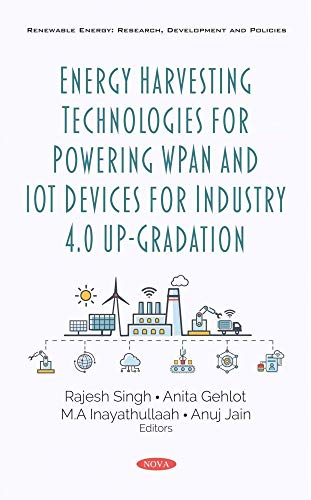
Energy Harvesting Technologies for Powering Wpan and Iot Devices for Industry 4.0 Up-gradation
As an affiliate, we earn on qualifying purchases.
As an affiliate, we earn on qualifying purchases.
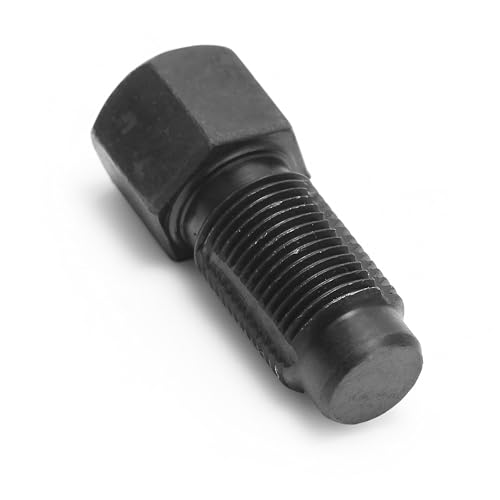
OEMTOOLS 25255 Oxygen Sensor Thread Chaser, For Cleaning and Repairing M18 x 1.5 Sensor and Spark Plug Threads, Compatible with 3/4" Hex or 3/8" Drive, Prevents Cross Threading
Use with 3/8 Inch Hex Socket or 3/8 Inch Square Drive
As an affiliate, we earn on qualifying purchases.
As an affiliate, we earn on qualifying purchases.