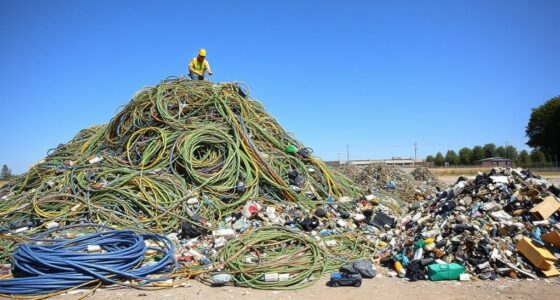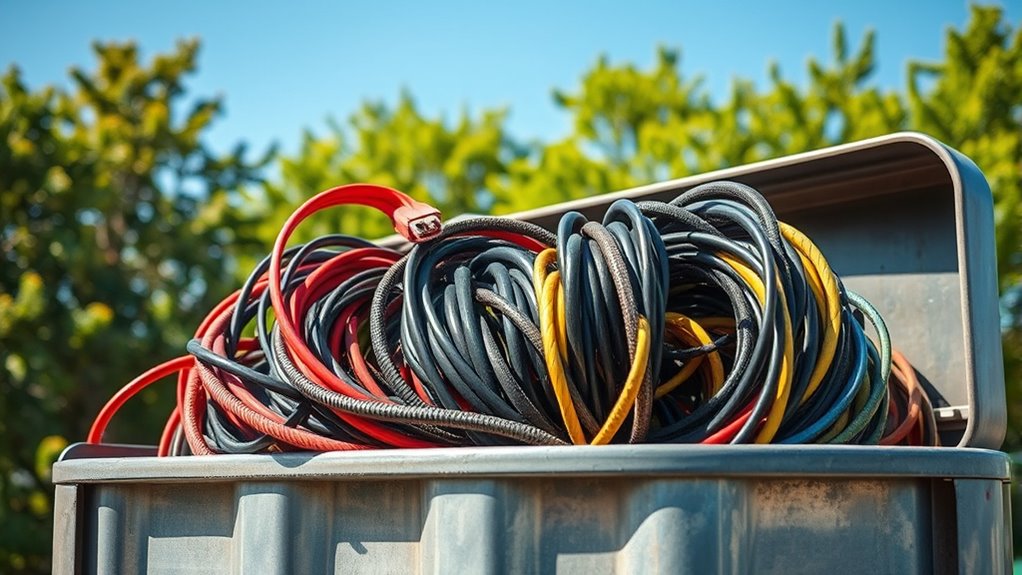

It’s a coincidence that many of us often overlook the cables we throw away, yet they contain valuable materials and harmful substances. Properly recycling or disposing of old cables isn’t just about cleanup—it’s about protecting the environment and conserving resources. If you’re unsure where to start or why it matters, understanding the best practices can make a significant difference for your community and future generations.

Get business pricing on networking and server gear
- Business-only prices and quantity discounts
- Tax-exempt purchasing
- Multiple users, one account, clear invoices
Key Takeaways
- Use local e-waste recycling centers or collection events to dispose of old cables properly.
- Avoid throwing damaged cables into regular trash to prevent environmental contamination.
- Recycle cables at specialized facilities that safely extract hazardous components like heavy metals.
- Check with electronics stores or community centers for designated drop-off points for old cables.
- Participating in responsible disposal reduces pollution, conserves resources, and protects ecosystems.
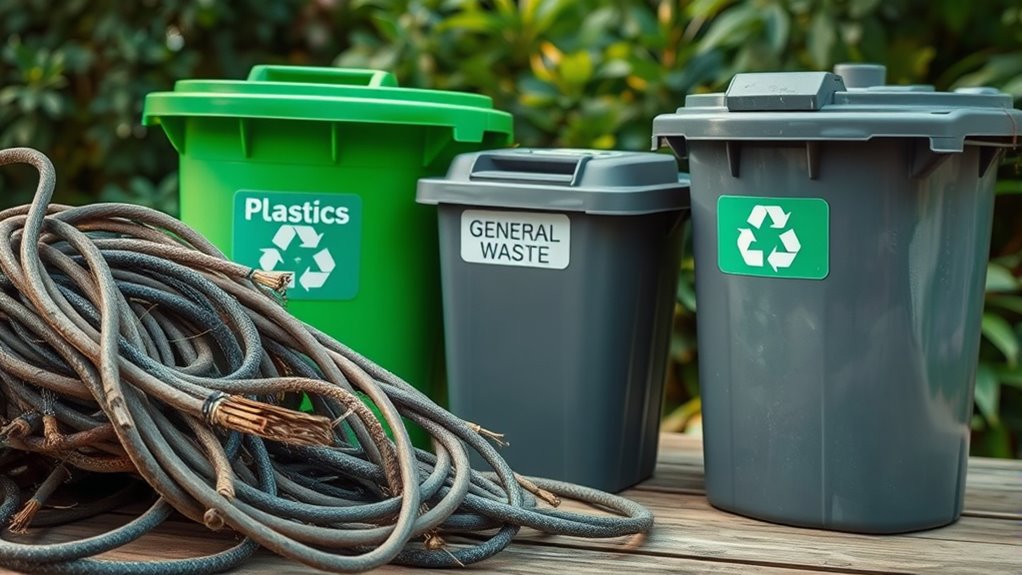
Old cables can pose environmental hazards if not disposed of properly, so it’s important to recycle or responsibly discard them. These cables are a significant part of electronic waste, which continues to grow as technology evolves rapidly. When left in landfills, old cables can leak harmful substances into the soil and water, contributing to pollution and harming wildlife. Recognizing the environmental impact of improper disposal is essential for protecting your community and the planet. Recycling old cables keeps hazardous materials out of the environment and ensures that valuable materials, like copper and plastics, are recovered and reused.
Recycling old cables prevents environmental hazards and promotes resource recovery.
You might not realize it, but many old cables contain components that can be toxic if not handled correctly. For instance, some cables contain heavy metals or flame retardants that, when disposed of improperly, can seep into the ground or water sources. This contaminates ecosystems and can pose health risks to humans as well. Proper recycling processes involve specialized facilities that safely extract and process these materials, minimizing environmental damage. By choosing to recycle, you play a critical role in reducing the environmental impact linked to electronic waste.
It’s tempting to toss old cables into the trash, especially if they’re damaged or no longer work. However, doing so contributes to the mounting problem of electronic waste. Instead, look for local e-waste recycling centers or collection events that accept cables and other electronic devices. Many electronics stores and community centers now offer designated drop-off points for recycling old cables. Recycling not only prevents environmental contamination but also conserves natural resources by reusing materials that would otherwise be wasted. It’s a simple step that makes a big difference.
You should also consider the environmental benefits of responsible disposal. Recycling helps reduce the need for mining new raw materials, which can be destructive to ecosystems and energy-intensive. It also decreases the volume of waste sent to landfills, which are already overwhelmed with electronic waste. By properly recycling your old cables, you help lessen the environmental impact associated with their production, use, and disposal. It’s a responsible choice that contributes to a healthier environment and promotes sustainability.
As an affiliate, we earn on qualifying purchases.
Frequently Asked Questions
Are There Specific Recycling Programs for Different Cable Types?
Yes, there are specific cable recycling programs for different cable types. You can participate in cable collection programs offered by local recycling centers or electronics retailers. These programs are designed to handle various cables like USB, HDMI, or power cords, guaranteeing proper cable recycling. By using these dedicated programs, you help prevent environmental harm and ensure your old cables are disposed of responsibly. Always check with local facilities for the best options available.
How Can I Identify if a Cable Contains Hazardous Materials?
Don’t judge a cable by its cover; instead, focus on cable material identification and hazardous chemical detection. Look for labels or markings indicating hazardous substances like lead, mercury, or cadmium. Use a multimeter or specialized testing kits for accurate detection. If in doubt, consult the manufacturer’s safety data sheet. Being cautious helps prevent exposure to dangerous chemicals and guarantees responsible disposal—better safe than sorry when it comes to hazardous materials.
What Is the Environmental Impact of Improper Cable Disposal?
Improper disposal of cables contributes to electronic waste and releases toxic materials into the environment. When you throw cables in regular trash, harmful substances like lead or mercury can leach into soil and water, posing health risks. This contamination damages ecosystems and endangers wildlife and human health. By responsibly recycling cables, you help reduce electronic waste and prevent the release of toxic materials, protecting the environment for future generations.
Can Old Cables Be Repurposed Instead of Recycling?
Old cables can definitely be repurposed, and you might find yourself with a treasure trove of DIY cable projects. Instead of tossing them out, consider joining cable donation programs or brainstorming creative uses around your home. Think of it as giving your cables a second life—saving the environment and sparking your creativity. With a little effort, those old cables can become the perfect materials for fun, functional projects.
Are There Legal Regulations for Disposing of Electronic Cables?
Yes, you need to follow electronic waste laws when disposing of cables. These regulations often include proper battery disposal and guidelines to prevent environmental harm. You’re responsible for taking cables to certified recycling centers or collection points that comply with local laws. Ignoring these rules can lead to penalties. Always check your local regulations to make sure you dispose of electronic cables safely and legally, protecting both the environment and yourself.
As an affiliate, we earn on qualifying purchases.
Conclusion
By recycling your old cables responsibly, you’re making a real difference—did you know that over 50 million tons of electronic waste are generated globally each year? Proper disposal helps recover valuable materials like copper and plastics, reducing environmental harm. So, next time you upgrade your devices, remember to use community recycling centers or specialized facilities. Your small action supports sustainability and protects ecosystems for future generations.
As an affiliate, we earn on qualifying purchases.
eco-friendly cable disposal container
As an affiliate, we earn on qualifying purchases.
As an affiliate, we earn on qualifying purchases.
Fall Picks
fall essentials
As an affiliate, we earn on qualifying purchases.