
When it comes to industrial cabling, adhering to safety standards isn’t just about compliance—it’s about protecting people, equipment, and your operations. Proper installation, grounding, and insulation practices help prevent electrical hazards and failures. But ensuring these standards are followed consistently can be complex. Understanding what guidelines exist and how to implement them effectively is vital for maintaining a safe, reliable environment—something that requires ongoing attention and expertise.
Key Takeaways
- Compliance with international standards like NEC and IEC ensures cables meet safety and quality benchmarks.
- Proper grounding protocols provide safe paths for faults, reducing shock and fire hazards.
- Using high-quality insulation and regular inspections prevent electrical failures and exposure risks.
- Effective cable management minimizes mechanical stress, tangling, and incorrect connections.
- Routine maintenance and testing ensure integrity of grounding and insulation systems, preventing hazards.
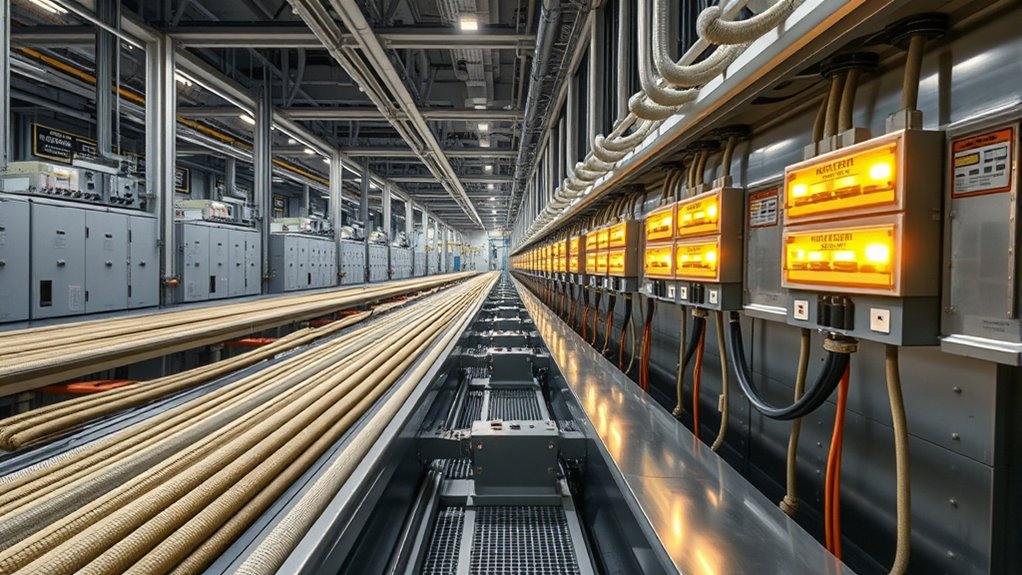
Ensuring safety in industrial cabling is essential to prevent accidents, equipment damage, and operational downtime. One of the foundational aspects of this safety is following proper grounding protocols. Grounding provides a safe path for electrical faults, reducing the risk of electrical shocks and fires. When cables are grounded correctly, any stray currents are directed safely into the earth, protecting both personnel and machinery. Neglecting grounding protocols can lead to dangerous electrical buildups that threaten safety and compromise system integrity. It’s imperative to confirm that all grounding connections are solid, compliant with industry standards, and regularly inspected for corrosion or damage. This proactive approach minimizes the chances of faults escalating into hazardous situations.
Cable insulation also plays an indispensable role in maintaining safety standards. High-quality insulation prevents unintended contact with live conductors, effectively reducing the risk of electrical shocks. It acts as a barrier, containing the electrical current within the cable and shielding users from potential harm. Proper insulation also guards against environmental factors like moisture, chemicals, and physical abrasion, which can degrade cables over time. When selecting cables, you should prioritize insulation materials that are suitable for your specific industrial environment, confirming they can withstand temperature fluctuations, mechanical stress, and exposure to contaminants. Regular inspection of cable insulation is equally important; cracks, cuts, or signs of wear indicate the need for replacement before they cause short circuits or electrical failures. Incorporating proper cable management practices further enhances system safety and longevity.
Adhering to established safety standards involves more than just choosing the right cables and grounding methods. It requires meticulous planning and implementation of best practices. For example, organizing cables properly to avoid tangling and overloading reduces mechanical stress that can damage insulation. Proper labeling and documentation help in quick identification during maintenance, preventing accidental disconnections or incorrect connections. Additionally, following codes like the National Electrical Code (NEC) or IEC standards ensures your cabling system meets international safety benchmarks. Training staff on these protocols is equally important, so everyone understands the importance of proper grounding and insulation practices. Regular audits and testing can verify that safety measures are effective and up to date, catching issues early before they lead to costly accidents or downtime.

GS2 INTERIOR GROUNDING PLATE KIT – For YShield EMF Shielding Paint – Cable Sold Separately
Standard Interior grounding plate kit for shielding paints, nettings, fleeces, etc. Designed for interior use
As an affiliate, we earn on qualifying purchases.
As an affiliate, we earn on qualifying purchases.
Frequently Asked Questions
How Often Should Industrial Cabling Be Inspected for Safety?
You should inspect industrial cabling at least once every six months to guarantee safety and longevity. Regular inspections help you identify signs of wear, damage, or deterioration early, preventing potential hazards. Depending on the environment and usage, inspection frequency might need to increase. Staying proactive with inspections maximizes cable longevity and maintains a safe work environment, so don’t delay scheduling routine checks to keep everything running smoothly.
What Are Common Signs of Cable Wear or Damage?
You notice insulation degradation like cracking or fraying, and corrosion signs such as rust or discoloration, which are clear warning signs of cable wear or damage. These issues create a stark contrast between the cable’s original condition and its current state, signaling potential safety hazards. Regularly inspecting cables for these signs helps prevent electrical failures and accidents, ensuring your equipment remains safe and reliable. Stay vigilant to catch problems early.
Are There Specific Safety Standards for Outdoor Industrial Cabling?
Yes, there are specific safety standards for outdoor industrial cabling. You need to guarantee your cables meet outdoor safety requirements, which include resistance to weather, UV exposure, and physical damage. Look for cable standards like ICEA or UL that specify outdoor use, and always follow manufacturer guidelines. Proper installation and regular inspections help prevent accidents and ensure reliable operation, keeping your outdoor industrial environment safe and compliant.
What Training Is Required for Personnel Handling Industrial Cabling?
You’re probably wondering if you can just wing it when handling industrial cabling, but nope! You need proper training in cable installation techniques and emergency procedures to stay safe and compliant. This includes understanding electrical hazards, proper tool use, and quick response actions during emergencies. Skipping training risks shock, fire, or worse—so take it seriously. Your safety—and the system—depend on it.
How Do Environmental Factors Affect Cable Safety Standards?
Environmental factors are worth contemplating impact cable safety standards. You need to consider corrosion resistance in humid or salty environments to prevent deterioration, and UV protection in outdoor settings to avoid damage from sunlight. These factors influence cable selection and installation, ensuring longevity and safety. By choosing cables with proper corrosion resistance and UV protection, you reduce risks of failure, ensuring compliant, durable cabling systems that withstand environmental challenges.

KToyeang 11 Gauge High Temperature Wire 16.4Ft, -76-932 ℉ 11 AWG Mica Fiberglass Electronic Copper Wire Insulated Heat Resistant High Temp Electronical Flexible Cable for Lamp Boiler Heater Kiln
PRODUCTOR SPECIFICATION: This high temperature wire is made of mica tape, fiberglass, and stranded oxygen-free pure copper wire,…
As an affiliate, we earn on qualifying purchases.
As an affiliate, we earn on qualifying purchases.
Conclusion
By following these safety standards, you create a secure environment where cables lie neatly like veins of a well-tuned heart, guiding power smoothly and safely. Regular inspections and proper grounding act as your vigilant guardians, preventing faults before they strike. When you prioritize safety protocols and proper management, you guarantee that your industrial system runs reliably, like a well-oiled machine, safeguarding everyone and keeping the rhythm of your operations steady and strong.
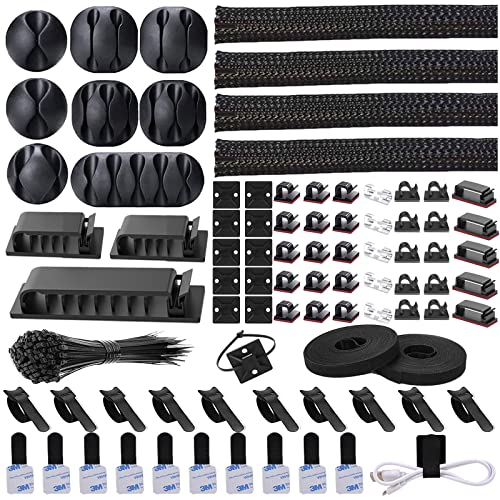
N NOROCME 192 PCS Cable Management Kit 4 Wire Organizer Sleeve,11 Cable Holder,35Cord Clips 10+2 Roll Cable Organizer Straps and 100 Fastening Cable Ties for Computer TV Under Desk, black,clear
Cable Management Kit: 4pcs Cable Sleeves( 20 in L x 0.4 in w), 20pcs reusable wire ties,35Cable Clips…
As an affiliate, we earn on qualifying purchases.
As an affiliate, we earn on qualifying purchases.

DEPSTECH 2K Endoscope Camera with Light: 2560P QHD Dual Lens Inspection Borescope with 16.5FT Snake Cable for iPhone & Android, Industrial Scope Automotive Tools for Sewer, HVAC, Plumbing, Mechanic
【Revolutionary 2K (2560×1440P) Clarity】: Featuring the first 2K-resolution endoscope on the market, the DEPSTECH NTC55 endoscope delivers revolutionary…
As an affiliate, we earn on qualifying purchases.
As an affiliate, we earn on qualifying purchases.