
Designing PoE cabling isn’t just about connecting devices; it’s about creating a reliable, efficient network that meets your power and data needs. Proper planning involves balancing power distribution, signal integrity, and environmental factors. If you overlook best practices, you could face issues like interference or device failures. Understanding these principles is essential to build a resilient system that adapts to your current and future requirements—something worth exploring in more detail.
Key Takeaways
- Ensure cabling delivers sufficient power without overloading, using PoE switches with load prioritization.
- Use shielded cables in high-EMI environments to maintain signal integrity and reduce interference.
- Properly ground shielding and connectors to prevent ground loops and enhance noise reduction.
- Segment networks and plan cabling routes to balance power distribution and minimize electromagnetic interference.
- Incorporate high-quality connectors and adhere to installation best practices for reliable, long-term PoE performance.
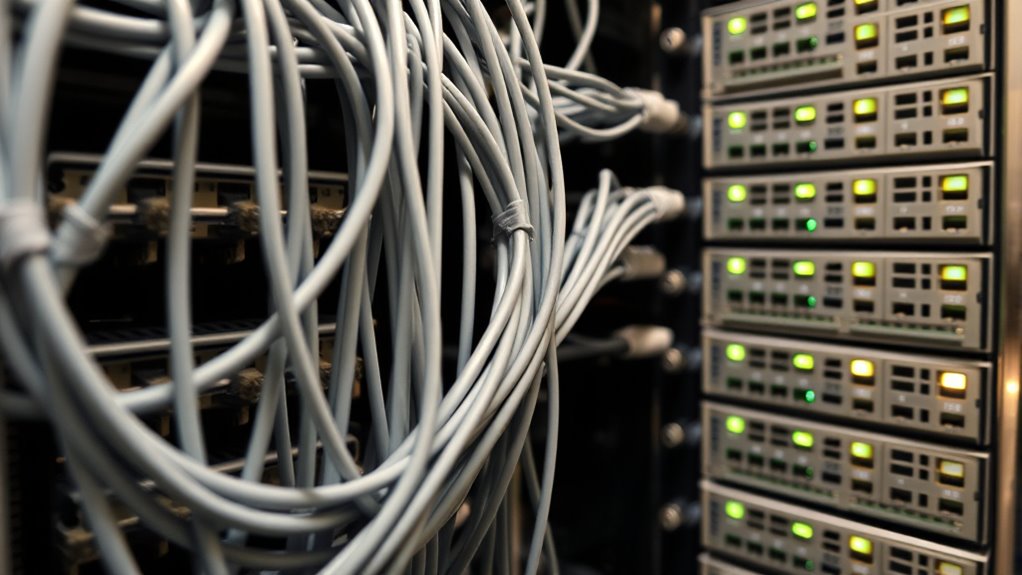
Power over Ethernet (PoE) cabling design is fundamental for ensuring reliable network performance and safe operation. When planning your PoE infrastructure, paying close attention to power management is essential. Proper power management involves designing your cabling system to deliver sufficient power without overloading the network or causing heat buildup. You need to consider the power requirements of connected devices and ensure your cabling can handle the load efficiently. Using PoE switches with power prioritization features helps distribute power intelligently, preventing outages or device malfunctions. Also, segmenting your network to limit power draw on specific runs can improve overall system stability. This way, you’re not just delivering data; you’re managing energy flow to optimize performance and protect your equipment. Effective planning also considers remote hackathons, which often require robust and flexible network setups for collaborative work across different locations. Cable shielding plays a critical role in maintaining signal integrity, especially in environments with high electromagnetic interference (EMI). Shielded cables, such as STP (Shielded Twisted Pair) or S/FTP (Screened/Foiled Twisted Pair), provide a barrier against external noise that can disrupt data transmission. When designing your PoE cabling, it’s important to select shielded cables if your installation occurs near heavy machinery, fluorescent lights, or other sources of EMI. Proper shielding reduces crosstalk and ensures cleaner data signals, which translates to fewer errors and better network reliability. Additionally, grounding the shielding correctly is crucial; improper grounding can create ground loops that introduce noise and possibly damage connected devices. So, when planning your cabling layout, make sure to incorporate shielded cables where necessary and follow best practices for grounding and shielding connections. Another key aspect of your design should be balancing power management with cable shielding considerations. As you route cables, keep in mind that shielding adds some flexibility in managing interference, but it can also increase the complexity and cost of installation. You’ll want to weigh the benefits of enhanced signal integrity against the added expense and installation effort. Proper labeling and documentation of shielded versus unshielded runs help streamline maintenance and troubleshooting down the line. Additionally, using high-quality connectors and ensuring a solid connection to ground will maximize the benefits of shielding and prevent issues related to EMI. When you combine effective power management with appropriate cable shielding, you create a resilient PoE network capable of delivering consistent performance even in challenging environments.

TP-Link LS108GP | 8 Port PoE Gigabit Ethernet Switch | 8 PoE+ Port @ 62W | Plug & Play | Extend Mode | PoE Auto Recovery | Desktop/Wall Mount | Silent Operation
𝗙𝘂𝗹𝗹 𝗚𝗶𝗴𝗮𝗯𝗶𝘁 𝟴-𝗣𝗼𝗿𝘁 𝗣𝗼𝗘 𝗖𝗼𝗻𝗳𝗶𝗴𝘂𝗿𝗮𝘁𝗶𝗼𝗻 – 8 PoEplus (802.3at/af) Gigabit RJ45 providing up to 30W per port and…
As an affiliate, we earn on qualifying purchases.
As an affiliate, we earn on qualifying purchases.
Frequently Asked Questions
How Often Should Poe Cabling Be Inspected and Maintained?
You should inspect your PoE cabling at least once a year to guarantee peak performance. Regular inspection frequency helps identify wear, damage, or loose connections early. Use proper maintenance techniques, such as cleaning connectors and checking for physical damage, to prevent outages. If your environment is harsh or cables carry critical data, consider more frequent inspections, like every six months, to maintain reliable power and data transfer.
What Are the Common Mistakes to Avoid in Poe Cabling Design?
You’ll want to avoid the classic pitfalls like neglecting proper cable shielding and using low-quality connectors, or you might find your setup turning into a comedy of errors. Poor shielding invites interference, while cheap connectors cause unreliable power delivery. Always choose cables with solid shielding and high-quality connectors—your network’s stability depends on it. Don’t be that person who skimped on quality and paid the price with downtime and frustration.
How Does Poe Cabling Impact Network Security?
PoE cabling impacts network security by increasing potential vulnerabilities, as it can be a target for physical tampering or unauthorized access. You need to guarantee proper data encryption over the cabling to protect sensitive information. Additionally, using secure connectors and implementing network segmentation help reduce security risks. By addressing these factors, you minimize network vulnerabilities and safeguard your data while benefiting from the convenience of PoE technology.
Can Poe Cabling Support Future Bandwidth Upgrades?
Yes, PoE cabling can support future bandwidth upgrades because it provides a reliable power supply and efficient data transmission. You can upgrade network equipment without changing the cabling, as high-quality Cat6 or Cat6a cables handle increased data loads effectively. This flexibility guarantees your network stays scalable, allowing you to enhance performance while maintaining stable power delivery and seamless data transmission for future technology needs.
What Are the Cost Considerations for Poe Cabling Installation?
You should keep an eye on costs when planning your Poe cabling installation, as expenses can add up quickly. It’s wise to do thorough budget planning and consider equipment selection carefully, including cable quality and switch compatibility. Remember, it’s better to spend a little more upfront than to face costly upgrades later. Balancing quality and budget guarantees your network stays reliable without breaking the bank.

Cat 6 Shielded Ethernet Cable 328ft / 100M ( 20 RJ45 ), 23AWG Outdoor Ethernet Cable Cat 6 Bulk, FTP, Waterproof, Direct Burial, In-Ground, UV Resistant, Network, LAN, Internet, Cat6 Cable – 328 Feet
Better Cat 6 Shielded Cable: High quality Cat 6 shielded cable (FTP) compared to regular unshielded cable (UTP),…
As an affiliate, we earn on qualifying purchases.
As an affiliate, we earn on qualifying purchases.
Conclusion
So, there you have it—your foolproof guide to PoE cabling. Just follow these best practices, and you’ll be the envy of every network engineer… or at least avoid turning your setup into a spaghetti mess. Remember, a well-planned, robust network is like a good joke—timing and precision matter. Now go forth and conquer those cables, because chaos is only fun in sitcoms, not in your data center.

THE CIMPLE CO Coaxial Cable Connectors, 3GHz High Frequency, Ground Block, Coax Extender, RG6, Single Port, Weather Seal Boots, F-Type, Antenna, Satellite Dish, Cable TV, Grounding
Effective Grouding (Earthing): Grounds coax cables for all major cable television, satellite TV, internet providers, antenna, and similar…
As an affiliate, we earn on qualifying purchases.
As an affiliate, we earn on qualifying purchases.
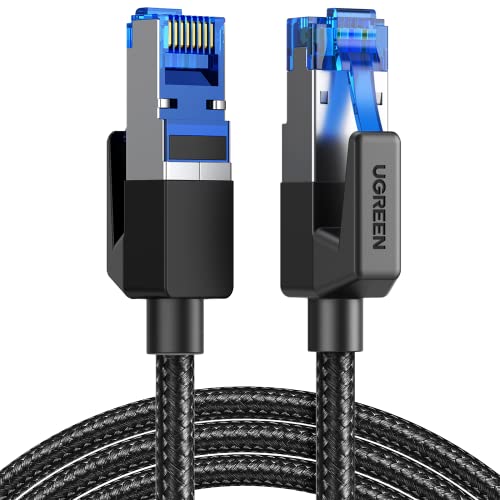
UGREEN Cat 8 Ethernet Cable 6FT, High Speed Braided 40Gbps 2000Mhz Network Cord Cat8 RJ45 Shielded Indoor Heavy Duty LAN Cables Compatible with Gaming PC PS5 PS4 PS3 Xbox Modem Router 6FT
40 Gbps 2000 Mhz High Speed: The Cat 8 ethernet cable support max. 40 Gbps data transfer and…
As an affiliate, we earn on qualifying purchases.
As an affiliate, we earn on qualifying purchases.