Imagine you’re upgrading your home theater cables and think that a thicker, heavier cable will automatically improve your sound and picture quality. While it might seem logical, the truth is that size alone doesn’t guarantee better performance. There are many factors at play, like material quality and design. Curious about what really makes a cable perform well and why thickness isn’t the sole indicator? Keep this in mind as you explore your options.
Key Takeaways
- Cable thickness alone does not determine performance; material conductivity and design are more important.
- High-quality, thin cables with proper shielding can outperform thicker, poorly constructed ones.
- Conductive materials like copper and silver improve signal transfer more than increasing cable size.
- Impedance matching and compatibility are critical for optimal performance, regardless of cable thickness.
- External factors like interference and installation quality impact performance more than cable diameter.

Have you ever assumed that thicker cables automatically deliver better performance? It’s a common misconception, but the truth is, size alone doesn’t determine how well a cable performs. When it comes to signal transmission, the key factors are material conductivity and how efficiently the cable can carry signals without interference or loss. Simply making a cable thicker might seem logical — more material equals better signal flow — but in reality, other elements play a much bigger role.
Material conductivity is vital. Copper and silver are popular choices because they conduct signals more effectively than materials like aluminum or steel. If a cable’s core is made of a highly conductive material, it can transmit signals with less resistance, regardless of its thickness. Thicker cables do have a larger cross-sectional area, which reduces resistance, but only up to a point. Beyond that, increasing thickness might not improve performance markedly if the material itself isn’t highly conductive. So, a thicker cable made of low-conductivity material won’t outperform a thinner cable with superior conductive qualities.
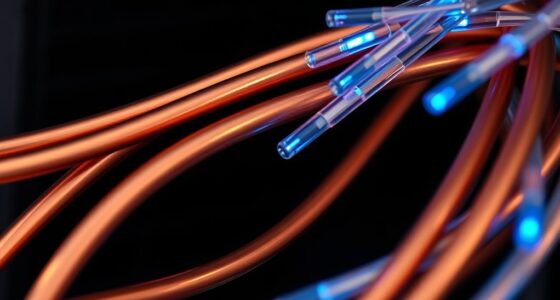
Highly conductive materials like copper and silver ensure better signal transfer regardless of cable thickness.
Moreover, the quality of the internal design impacts signal transmission. Proper shielding, insulation, and construction ensure that the signal remains clear and free from interference. A thicker cable with poor shielding might actually hinder performance by introducing noise or signal degradation. Conversely, a well-designed, thinner cable with excellent shielding and high-conductivity materials can outperform a thicker, poorly constructed one.
Another aspect to consider is impedance matching. If a cable’s impedance isn’t compatible with your device or equipment, signal loss or reflections can occur, regardless of its thickness. This means that even a very thick cable may not deliver better performance if it’s mismatched. Properly matched impedance ensures optimal signal transmission, which is often more important than size.
In addition, the environment where you use the cable matters. Factors like electromagnetic interference, physical stress, and installation setup can all influence performance more than cable thickness. Using the right type of cable designed for your specific application, with attention to material quality and construction, will always yield better results than simply opting for the thickest option. Understanding material conductivity is crucial for selecting the best cable for your needs.
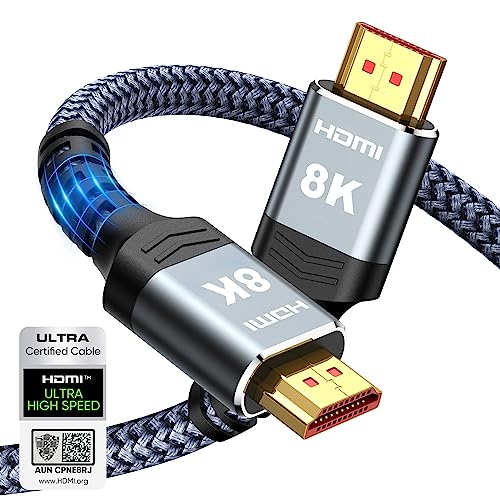
Highwings 8K 10K 4K HDMI Cable 48Gbps 6.6FT/2M, Certified Ultra High Speed HDMI Cable Braided Cord-4K@120Hz 8K@60Hz, DTS:X, HDCP 2.2 & 2.3, HDR 10 Compatible with Roku TV/PS5/HDTV/Blu-ray
Top Technology—-8K@60HZ: This 8K Ultra High Speed HDMI Cable uses the most cutting-edge technology, is compatible with 8K@60HZ…
As an affiliate, we earn on qualifying purchases.
As an affiliate, we earn on qualifying purchases.
Frequently Asked Questions
Does Cable Thickness Affect Audio Quality Significantly?
Cable thickness doesn’t substantially affect audio quality, as long as the cable is of good quality. Thicker cables may improve signal strength slightly over long distances, reducing interference and noise, which can enhance audio clarity. However, for typical home setups, using a well-made, appropriately rated cable is more important than choosing the thickest option. Focus on quality and proper connections to guarantee ideal sound performance.
Are Thicker Cables More Durable Than Thinner Ones?
Thicker cables are generally more durable because they resist wear and tear better, especially if you need cable flexibility for movement. However, they can be less flexible, making installation trickier. Keep in mind, they often come with higher cost implications due to more materials used. So, if durability and flexibility are your priorities, thicker cables might be worth the investment, but weigh the added expense carefully.
How Does Cable Material Influence Performance?
You might think cable material doesn’t matter, but it actually shapes performance more than thickness. Material properties like conductivity, flexibility, and resistance are vital, and adhering to manufacturing standards guarantees quality and safety. Ironically, a high-quality, well-made cable of modest thickness can outperform a thicker, poorly manufactured one. So, don’t judge a cable just by its size—trust the material and standards behind it for peak performance.
Is There a Standard Measurement for Optimal Cable Thickness?
There isn’t a single standard measurement for ideal cable thickness, as it depends on the cable’s purpose and current capacity. You should consider industry guidelines and specifications, which suggest the appropriate gauge for your needs. For example, thicker cables (lower gauge numbers) are better for high current applications. Always consult relevant standards like NEC or IEC to determine the optimal thickness for your specific setup, ensuring safety and performance.
Can Thicker Cables Cause Interference or Signal Loss?
Thicker cables can actually reduce interference and signal loss, but they don’t cause interference themselves. They help minimize electromagnetic interference and signal attenuation by providing better shielding and insulation. However, if a cable is too thick, it might be less flexible or harder to install, and improper shielding can still lead to issues. Always choose the right cable thickness for your specific setup to guarantee ideal performance.
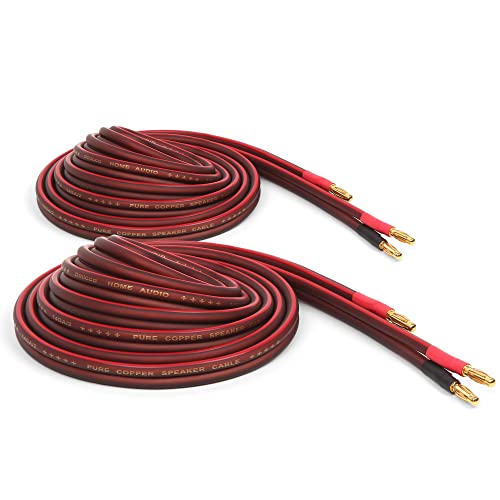
Micca 14 Gauge Pure Copper Speaker Cables, 6.6 Feet Each (2 Meters), 2 Pack Pair, Gold Plated Banana Plugs Connectors, Soldered Construction, Slim Design, 245 Strands, for Stereo or Home Theater
Pair of 6.6 feet each (2 meters) premium pure copper 14-Gauge speaker cables with 245 fine strands per…
As an affiliate, we earn on qualifying purchases.
As an affiliate, we earn on qualifying purchases.
Conclusion
So next time you see a chunky cable, don’t assume it’s the best choice. While it might look like a powerhouse, it’s often just a pretty shell hiding inferior materials or sloppy design. You could be fooled into thinking more bulk means better performance, but in reality, it’s like judging a book by its cover—what’s inside truly counts. Sometimes, the thinnest wire can deliver the most impressive performance, proving size isn’t everything.

DUKABEL Top Series Audio Cable 8 Feet (2.4 Meters) – Shielded Aux Cable Cord 3.5mm Male to Male Stereo Auxiliary Cable Cord/Crystal-Nylon Braided / 24K Gold Plated / 99.99% 4N OFC Conductor
DUKABEL 3.5mm stereo cord.
As an affiliate, we earn on qualifying purchases.
As an affiliate, we earn on qualifying purchases.
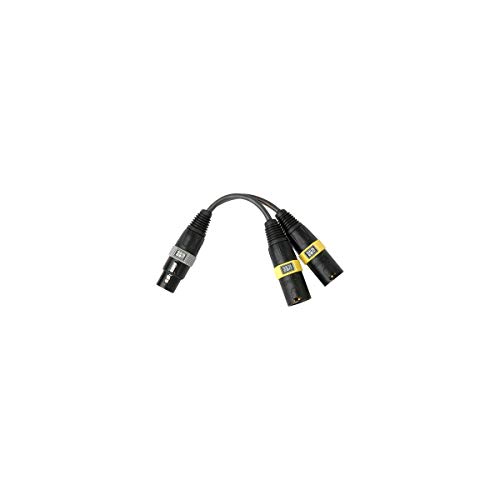
Sescom SES-AES-EBU-Y Impedance Matching AES/EBU XLR Y-Splitter Cable
Allows you to split a digital AES/EBU audio signal to 2 outputs
As an affiliate, we earn on qualifying purchases.
As an affiliate, we earn on qualifying purchases.