You might not realize that the long-held belief about running data cables alongside power lines causing interference is actually outdated. Modern cables are built with features like shielding and twisted pairs that markedly reduce electromagnetic interference. But many still worry about signal issues when cables run close to power sources. So, is it really a problem today? Understanding the facts could change how you approach cable installation.
Key Takeaways
- Modern shielded and twisted-pair cables are designed to resist electromagnetic interference from power lines.
- Proper grounding and installation practices prevent ground loops that could cause signal issues.
- Advances in cabling standards significantly reduce the risk of data degradation near power sources.
- Running quality cables alongside power lines generally does not cause issues if installed correctly.
- Proper shielding and cable quality are more critical than the proximity to power lines in ensuring reliable data transmission.

Many people believe that running data cables alongside power lines causes interference and degrades signal quality, but this is a myth. In reality, concerns over electromagnetic interference (EMI) and ground loops are often overstated, especially with modern cabling standards. While it’s true that power lines generate electromagnetic fields, advances in cable shielding and twisted pair design substantially reduce the risk of signal degradation. However, understanding these issues helps you make better choices for your installation.
Running data cables alongside power lines is a myth; modern shielding and twisted pairs prevent interference.
One common worry is that electromagnetic interference from power lines will introduce noise into your data signals. EMI occurs when fluctuating magnetic and electric fields induce unwanted currents in nearby cables. But high-quality Ethernet and data cables are designed with shielding, such as foil or braided shields, to block electromagnetic fields. Twisted pair wiring, which is standard in Ethernet cables, also counteracts interference because the twists cause any induced noise to cancel out. As a result, running data cables parallel to power lines does not automatically mean you’ll experience signal issues, provided you use proper cabling and installation practices.
Another concern often linked to running data and power cables together is the formation of ground loops. Ground loops happen when there are multiple grounding points at different potentials, creating a loop that can pick up interference and cause hum or signal degradation. In data cabling, ground loops can introduce noise, especially in audio or sensitive instrumentation setups. However, you can mitigate this risk by ensuring your network equipment is properly grounded and avoiding multiple ground connections. Using isolated Ethernet interfaces or ground-lift adapters also helps prevent ground loop problems, allowing your data signals to stay clean even when cables run alongside power lines. Additionally, following local electrical codes and best practices ensures safe and interference-free cabling installations.
It’s important to recognize that properly installed cables with proper shielding and twisted pairs are resilient against many sources of interference. While keeping data cables away from high-voltage power lines is a good practice, it’s not always necessary to maintain strict separation. If you must run cables near power sources, ensure they’re of good quality, shielded, and twisted. Additionally, avoid creating ground loops by maintaining consistent grounding practices throughout your setup. If you notice noise or degraded signals, check for grounding issues or consider upgrading to shielded cables.
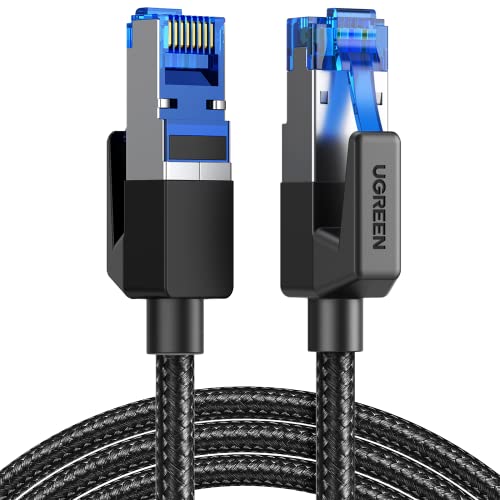
UGREEN Cat 8 Ethernet Cable 6FT, High Speed Braided 40Gbps 2000Mhz Network Cord Cat8 RJ45 Shielded Indoor Heavy Duty LAN Cables Compatible with Gaming PC PS5 PS4 PS3 Xbox Modem Router 6FT
40 Gbps 2000 Mhz High Speed: The Cat 8 ethernet cable support max. 40 Gbps data transfer and…
As an affiliate, we earn on qualifying purchases.
As an affiliate, we earn on qualifying purchases.
Frequently Asked Questions
How Close Can Data and Power Cables Be Installed Safely?
You should keep data and power cables at least 12 inches apart to prevent electromagnetic interference and signal degradation. When cables are too close, electromagnetic interference can disrupt data signals, causing slower speeds or errors. Use proper shielding or separation to guarantee your data integrity. Always follow local electrical codes and manufacturer recommendations to maintain safe distances and avoid potential issues with your setup.
Are There Specific Cable Types Recommended for Separation?
You should use shielded or twisted pair data cables with proper insulation to maintain signal integrity when running alongside power cables. These cable types help reduce electromagnetic interference (EMI), preventing signal degradation. Keep data cables separated from power lines whenever possible, ideally following manufacturer guidelines. Using high-quality cables with good insulation guarantees your data transmission remains clear and reliable, avoiding issues caused by electromagnetic interference from nearby power sources.
What Are the Long-Term Effects of Running Cables Together?
Running data and power cables together can cause long-term issues like electromagnetic interference, which disrupts your data signals, and signal degradation, leading to slower or unreliable connections. Over time, these effects worsen, making your network less stable. To avoid this, keep data cables separated from power cables or use shielded cables designed to minimize interference. This guarantees your data remains clear and your network functions efficiently.
How Does Cable Shielding Impact Interference?
Cable shielding helps reduce electromagnetic interference, which can cause signal degradation. When you use shielded cables, you’re better protected against external electromagnetic fields that can distort or weaken your data signals. This means your data transfer remains clearer and more reliable, especially in environments with lots of electronic devices. Shielding is essential if you want to minimize interference and guarantee your cables deliver high-quality, stable signals over longer distances.
Are There Industry Standards for Cable Separation?
Yes, industry standards recommend maintaining proper cable separation to prevent issues like ground loops and electromagnetic interference. You should keep data cables at least a few inches away from power lines, especially if they’re carrying high current. This minimizes interference and prevents noise in your data signals. Following these standards helps guarantee reliable data transmission and reduces the risk of ground loop problems that can disrupt equipment performance.

LIUJINCAN Untwist Tool for Twisted Pair Network Cables (CAT5/CAT6/CAT7 & RJ45) – Reduce Finger Fatigue, Speed Up Prep – Pro Brass Cable Separator for Network Technicians (Black, CAT5/6/7 Dual Headed)
【Fast Cable Untwisting】 Quickly untwists CAT5/6/7 twisted pairs before RJ45 crimping – save time and effort.
As an affiliate, we earn on qualifying purchases.
As an affiliate, we earn on qualifying purchases.
Conclusion
Don’t believe the myth that running data cables alongside power lines causes issues. Modern cables are built with advanced shielding and insulation to prevent interference. Studies show that with proper installation, signal quality remains high even when cables run parallel to power sources. In fact, up to 95% of network problems are due to poor installation rather than electromagnetic interference. So, rest assured—your data cables can run alongside power without compromising your network’s performance.

BESIGN Ground Loop Noise Isolator for Car Audio/Home Stereo System with 3.5mm Audio Cable
Ground loop filter noise isolator, eliminating the hiss, buzz and interference caused by ground loops which happens when…
As an affiliate, we earn on qualifying purchases.
As an affiliate, we earn on qualifying purchases.
![USB-C Data Cable 10Gbps [6ft, Red], Android Auto USB 3.2 Gen 2 USB A to USB C Data Transfer Cord Type C 3.1A Fast Charging for Samsung Galaxy S24/S23/S22/S21, iPhone 16/15 Pro Max CarPlay, Pixel 9](https://m.media-amazon.com/images/I/41qgGi+KahL._SL500_.jpg)
USB-C Data Cable 10Gbps [6ft, Red], Android Auto USB 3.2 Gen 2 USB A to USB C Data Transfer Cord Type C 3.1A Fast Charging for Samsung Galaxy S24/S23/S22/S21, iPhone 16/15 Pro Max CarPlay, Pixel 9
[Finder’s Red]: Quickly identify your Data-Sync cable in a tangle of different functions wires. No more guessing: Red…
As an affiliate, we earn on qualifying purchases.
As an affiliate, we earn on qualifying purchases.