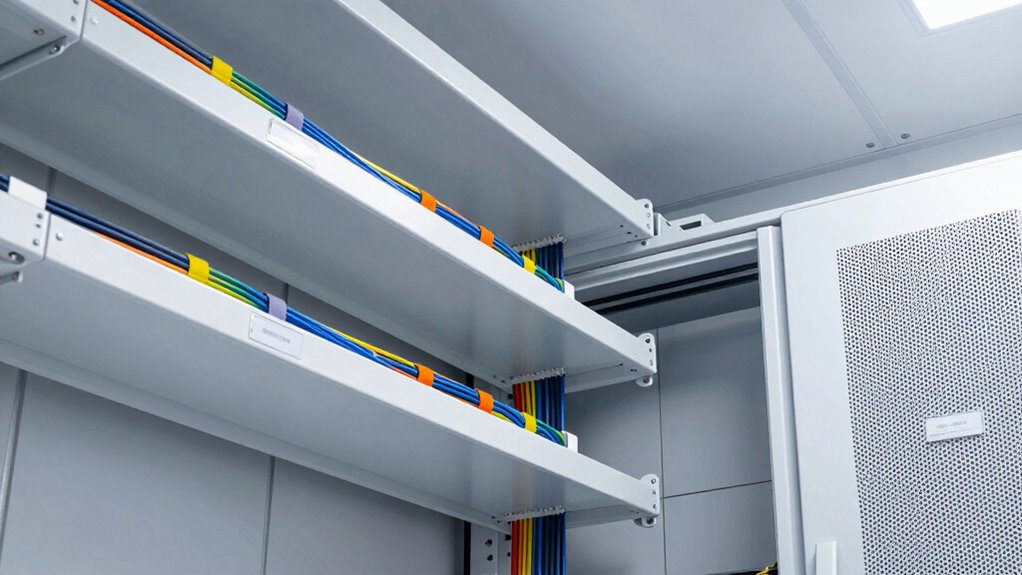

To improve cable pathways for future tenant changes, plan strategically by using conduits and cable trays in key areas like server rooms for easy access. Label all cables clearly and leave slack for future adjustments. Choose flexible, durable materials and design pathways with minimal bends to simplify upgrades. Modular pathways and accessible pull points make rerouting straightforward. Continuing will reveal more tips to create an organized, adaptable wiring system that minimizes disruptions and costs over time.

Get business pricing on networking and server gear
- Business-only prices and quantity discounts
- Tax-exempt purchasing
- Multiple users, one account, clear invoices
Key Takeaways
- Plan and install conduits in strategic, accessible locations to allow easy rerouting and future modifications.
- Use modular and scalable pathway designs that accommodate additional cables and equipment seamlessly.
- Clearly label all cables and ports to simplify identification during tenant changes and troubleshooting.
- Leave extra slack and incorporate access points or pull boxes for effortless cable pulls and adjustments.
- Select durable, flexible conduit and cable management materials to support future upgrades and minimize disruptions.
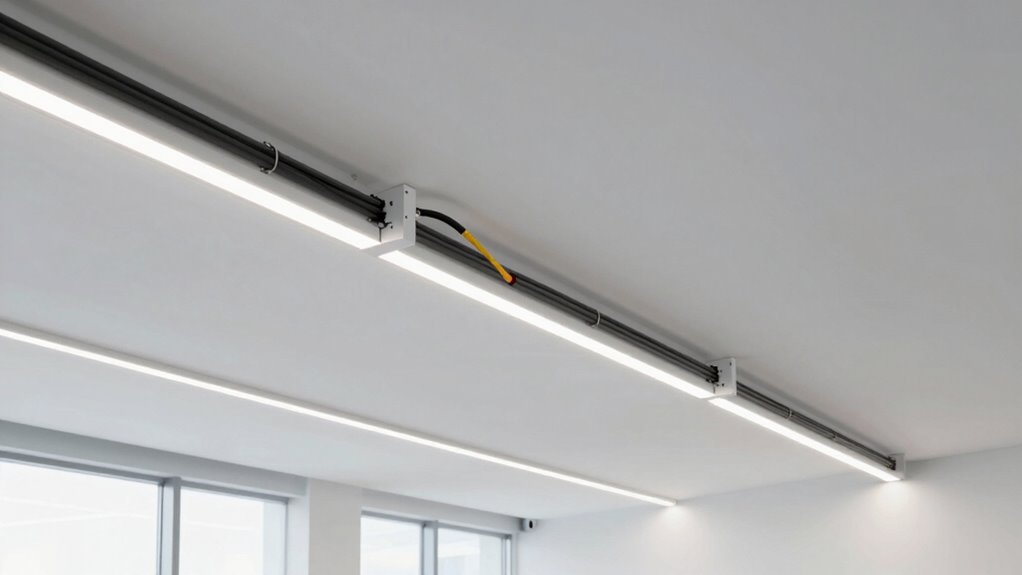
Planning cable pathways carefully now can save you headaches later when tenants change. When you’re designing your building’s cabling infrastructure, paying close attention to wire management and conduit installation is essential. Proper wire management ensures that cables stay organized, accessible, and protected, making future modifications much easier. You want to avoid a tangled mess that’s difficult to troubleshoot or upgrade, so think ahead about how cables will run through the space.
Conduit installation plays a critical role in future-proofing your wiring setup. Installing conduits in strategic locations provides a clear, protected pathway for cables to be added, replaced, or rerouted without tearing into walls or ceilings. When planning conduit routes, consider the typical layout of tenants’ spaces and anticipate possible changes. For example, running conduits to central points, like server rooms or main distribution frames, allows for flexible connections to different areas as tenants’ needs evolve. Use conduits with appropriate diameter and quality to handle future cable upgrades, which may involve thicker or additional cables. Additionally, selecting natural landscape-friendly materials can help the infrastructure blend seamlessly with surrounding environments.
Wire management solutions also help streamline tenant changes. Incorporate cable trays, raceways, and patch panels that facilitate quick reconfiguration. Labeling every cable and port clearly saves time when troubleshooting or expanding systems later. When you’re installing these systems, think about how cables will be added or removed, and leave enough slack for adjustments. This not only prevents accidental disconnections but also reduces wear and tear on your wiring. Proper planning can also improve system scalability and ease future upgrades, saving costs and effort.
In addition, plan your pathways to minimize unnecessary bends or length, which can complicate future upgrades. Use a modular approach, designing pathways that allow for easy access and re-routing. Incorporate access points or pull boxes at key locations to simplify future cable pulls or replacements. When you’re selecting materials, opt for durable, flexible conduit options that can accommodate future changes without requiring extensive modifications. Additionally, understanding the importance of contrast ratio can help determine optimal lighting conditions for cabling areas, ensuring cables are visible and accessible in various lighting environments.
Ultimately, your goal is to create a cabling infrastructure that’s both organized and adaptable. Good wire management and conduit installation aren’t just about today’s needs—they’re about making your future tenants’ transitions smooth and cost-effective. By thinking ahead, you’re reducing downtime, avoiding costly renovations, and ensuring your building remains ready for new technology demands. When you plan carefully and implement these strategies now, you’ll save yourself a lot of trouble down the line, making tenant changes much less disruptive and more manageable.
As an affiliate, we earn on qualifying purchases.
Frequently Asked Questions
How Often Should Cable Pathways Be Inspected for Future Upgrades?
You should perform cable inspection at least annually to guarantee pathways remain in good condition and accommodate future upgrades. Regular inspections help identify wear, damage, or potential issues early, making upgrade scheduling more efficient. If your building experiences high tenant turnover or increased tech demands, consider increasing inspection frequency. Proactive maintenance minimizes disruptions, extends cable lifespan, and ensures your infrastructure stays ready for future technological advancements.
What Materials Are Best for Flexible Cable Pathways?
Imagine your cables dancing smoothly through your space—choosing the right conduit materials makes this possible. For flexible cable pathways, you should opt for flexible conduit materials like PVC, flexible metal conduit, or corrugated tubing. These materials provide durability, ease of installation, and adaptability for future upgrades. Good cable management relies on quality conduit, ensuring your cables stay protected and accessible, simplifying tenant changes and maintenance alike.
How Can Cable Pathways Be Designed for Maximum Scalability?
You can design scalable cable pathways by prioritizing flexible infrastructure planning and effective cable management. Use modular conduit systems that easily expand as needs grow, and incorporate ample space for future cables. Plan pathways with easy access points for upgrades or reconfigurations. By considering scalability during initial design, you guarantee smooth tenant shifts and minimize disruptions, creating a future-proof environment that adapts seamlessly to evolving technology demands.
Are There Safety Considerations for Future Cable Expansions?
Yes, safety considerations are essential for future cable expansions. You should guarantee pathways comply with electrical codes, preventing overloads or fire hazards. Incorporate fire safety measures like fire-rated conduits and proper spacing to reduce fire risk. Regular inspections and using certified materials help maintain safety standards. Planning for easy access and clear labeling also minimizes risks during future upgrades, ensuring a safe environment aligned with electrical codes and fire safety regulations.
What Is the Average Cost to Upgrade Cable Pathways?
Upgrading cable pathways costs, on average, between $2 and $10 per linear foot, depending on complexity and materials. You’ll want to prioritize cable management and pathway flexibility to minimize future upgrades. Investing in quality conduits and modular solutions helps reduce long-term costs, while flexible pathways make tenant changes easier and faster. Focus on strategic planning now, and you’ll save time and money during future tenant modifications.
As an affiliate, we earn on qualifying purchases.
Conclusion
By planning your cable pathways carefully now, you’re setting the stage for seamless tenant changes and avoiding chaos. Think of your wiring system as the backbone of your building’s future—strong, flexible, and ready for anything. With smart design, you’ll save yourself countless headaches and keep your space running smoothly. Invest in the right pathways today, and you’ll open a future so efficient, it’s practically unstoppable. Your tenants—and your sanity—will thank you forever.
As an affiliate, we earn on qualifying purchases.
As an affiliate, we earn on qualifying purchases.
Halloween Picks
halloween
As an affiliate, we earn on qualifying purchases.