
Just as the ancient Greeks understood the importance of proper disposal, today’s electronic waste poses a modern challenge that cannot be ignored. When cables are discarded improperly, hazardous materials like lead and mercury seep into the environment, threatening ecosystems and human health. How you handle this waste makes a difference, yet many overlook the impact of their actions. Understanding the risks and solutions is essential to protecting our planet’s future.
Key Takeaways
- Proper recycling of cables prevents hazardous materials like lead and mercury from contaminating soil and water.
- Disposing of cables at designated e-waste recycling centers ensures safe handling of toxic substances.
- Recycling conserves natural resources by recovering valuable materials such as copper and plastics.
- Avoiding landfill disposal reduces environmental risks associated with harmful chemical leaching and pollution.
- Participating in manufacturer or community collection programs promotes responsible cable disposal and environmental protection.
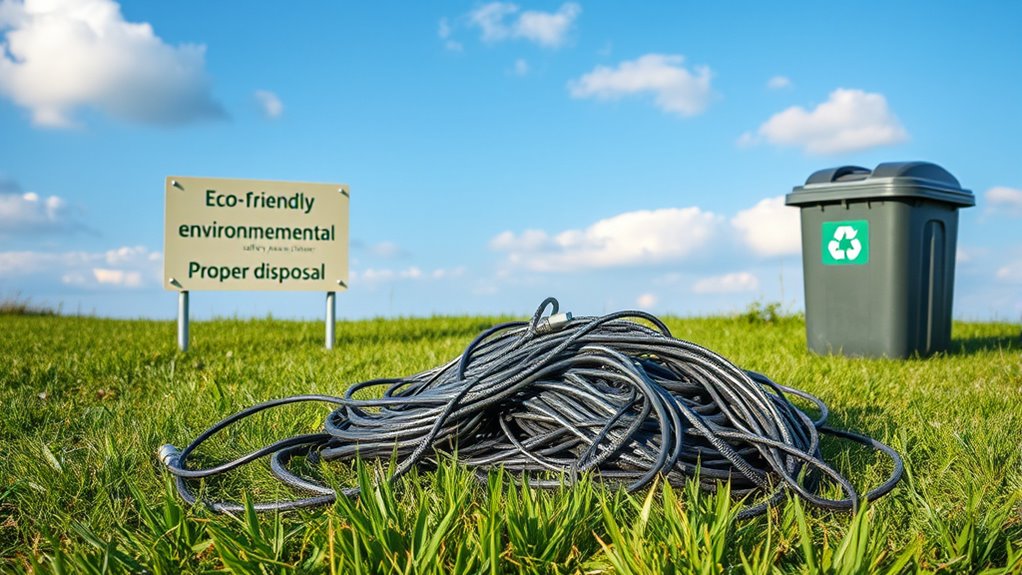
Proper cable disposal is crucial for protecting our environment, especially as electronic waste continues to grow. When you handle cables responsibly, you’re actively contributing to reducing environmental hazards and conserving natural resources. One of the most effective ways to do this is by adopting proper recycling practices. Instead of tossing cables into the trash, you should seek out designated e-waste recycling centers that accept electronic components. Recycling not only prevents cables from ending up in landfills but also ensures that valuable materials like copper and plastics are recovered and reused. This process minimizes the need for mining raw materials, reducing environmental degradation and energy consumption.
Proper cable recycling protects the environment and conserves resources through responsible disposal and e-waste recycling.
It’s important to recognize that cables often contain hazardous materials, which can pose serious environmental and health risks if not disposed of correctly. Many electronic cables include substances like lead, mercury, or flame retardants, all of which are toxic when released into the environment. When cables are improperly discarded, these hazardous materials can leach into soil and water, contaminating ecosystems and endangering wildlife and human health. By understanding the potential dangers, you can make informed decisions to prevent these risks. Always check if your local recycling programs accept cables and other electronic waste, and avoid burning or dumping cables in regular trash bins, as these practices release harmful substances into the air and ground.
To guarantee safe disposal, you should also educate yourself about the specific recycling practices recommended for electronic waste. Many communities now offer specialized collection events or drop-off points for e-waste, making it easier for you to dispose of cables responsibly. When you bring your cables to these facilities, trained professionals handle them with care, ensuring hazardous materials are managed properly and that valuable recyclable materials are extracted. Some manufacturers and retailers also offer take-back programs, allowing you to return cables when you purchase new electronics. Participating in these programs helps close the loop in electronic waste management, supporting sustainability efforts.
In addition to recycling, consider reducing your overall cable consumption by opting for multi-purpose or wireless alternatives when possible. This diminishes the amount of waste generated and the need for disposal. Being aware of cable materials used in manufacturing can also encourage you to choose products with safer or more environmentally friendly components. Remember, your proactive approach to proper cable disposal and recycling practices plays an essential role in safeguarding our environment from the dangers posed by hazardous materials. By making conscious choices, you’re helping to create a cleaner, safer planet for future generations.

BulbCycle Large Electronics Recycling Box (Holds up to 70 lbs. of E-Waste, E-Scrap) RecyclePak 061CH
Ewaste Mail back Kit
As an affiliate, we earn on qualifying purchases.
As an affiliate, we earn on qualifying purchases.
Frequently Asked Questions
Are There Eco-Friendly Alternatives to Traditional Cable Insulation?
Yes, you can choose biodegradable insulation and eco-friendly coatings as alternatives to traditional cable insulation. These options break down naturally, reducing environmental impact. Biodegradable insulation uses plant-based or recycled materials that decompose safely, while eco-friendly coatings minimize harmful chemicals. By selecting these alternatives, you support sustainability efforts and help lessen pollution. You’ll find these options are effective, safe, and a responsible choice for environmentally conscious cable management.
How Do Cables Impact Local Wildlife and Ecosystems?
Cables can harm wildlife through disruption of habitats and cause ecosystem contamination if they leak toxic substances. You might notice animals avoiding areas with cable debris, and chemicals from degraded insulation can pollute soil and water sources. By properly managing cable disposal and choosing eco-friendly options, you help reduce wildlife disruption and prevent ecosystem contamination, protecting the health of local ecosystems and ensuring safer environments for all living beings.
What Are the Global Regulations on Cable Disposal?
Imagine a world where discarded cables drift across borders like silent, hazardous waste messengers. Globally, transboundary regulations govern cable disposal, ensuring hazardous waste doesn’t pollute distant lands. Countries follow agreements like the Basel Convention, which restricts illegal dumping and promotes proper recycling. These rules aim to protect ecosystems worldwide, making sure your cable disposal doesn’t inadvertently harm wildlife or ecosystems in far-off places.
Can Recycled Cables Be Used for New Electronic Products?
Yes, recycled cables can be used for new electronic products, but there are recycling challenges to take into account. You need to guarantee proper cable reuse by sorting and processing materials effectively. Recycling challenges include contamination and material degradation, which can limit the quality of recycled cables. Despite these hurdles, advancements in recycling technologies are making it increasingly feasible to repurpose cables, reducing waste and conserving resources in the electronics industry.
How Does Improper Cable Disposal Affect Groundwater Quality?
Imagine toxic leachate seeping into the earth, silently contaminating groundwater beneath your feet. When you discard cables improperly, harmful chemicals like lead and cadmium leak out, polluting underground water sources. This groundwater contamination threatens drinking water and ecosystems, posing serious health risks. Your actions directly impact water quality, so responsible disposal prevents toxic leachate from infiltrating groundwater and helps protect our environment and community health.
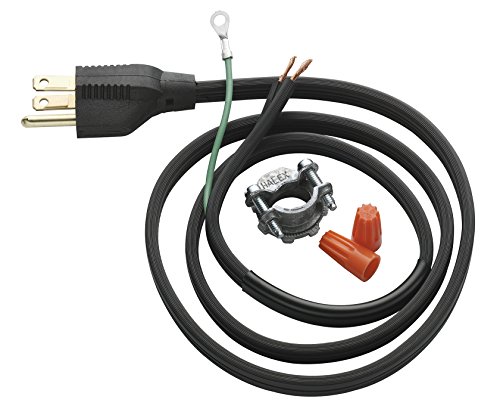
INSINKERATOR Garbage Disposal 3-Foot Power Cord Installation Kit for Standard Series (Badger) Food Waste Disposer Models, CRD-00
INSINKERATOR Power Cord Installation Kit: UL-Listed 3-foot power cord, strain relief clamp, twist-on wire connectors, and installation instructions;…
As an affiliate, we earn on qualifying purchases.
As an affiliate, we earn on qualifying purchases.
Conclusion
By choosing proper cable disposal, you’re planting seeds for a healthier planet. Imagine a community where e-waste is responsibly recycled, much like a garden flourishing with vibrant life. I once saw a neighborhood transform after adopting eco-friendly practices—soil healthier, water clearer, and wildlife thriving. Every small action you take helps prevent hazardous materials from poisoning our earth. Together, we can turn a potential toxic dump into a beautiful, sustainable future for generations to come.
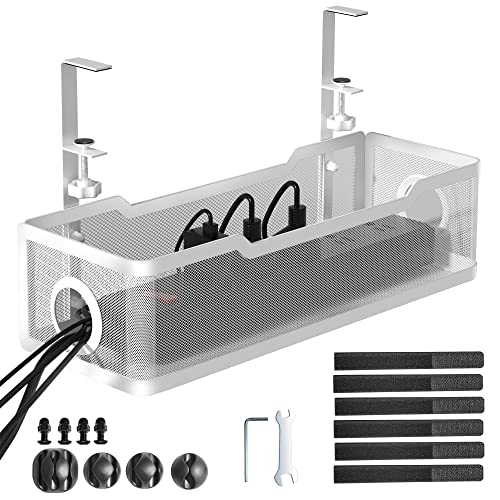
Under Desk Cable Management Tray White, Cinati Wire Organizers No Drill, Cable Tray with Clamp for Wire Management, Cord Organization Box for Office, Home – No Damage to Desk
No Need to Drilling Holes – Instead of damaging to your desk, our under desk cable management tray…
As an affiliate, we earn on qualifying purchases.
As an affiliate, we earn on qualifying purchases.

Daarcin Red Biohazard Waste Bags,20pcs 16.5x20in/42x51cm Medical Action Infectious Waste Bag With Hazard Symbol Disposable Hazardous
Items:20pcs 16.5x20in/42x51cm strong Red Biohazard Bags with biohazard warnings are a great choice for any medical setting. Perfect…
As an affiliate, we earn on qualifying purchases.
As an affiliate, we earn on qualifying purchases.