Did you know that following a recognized standard like TIA-942 can substantially impact your data center’s performance and scalability? Proper cabling infrastructure isn’t just about neatness—it’s about ensuring reliable, high-speed connections that support future growth. If you’re considering upgrades or planning a new facility, understanding these guidelines can save you time and headaches later. But what exactly does TIA-942 recommend for ideal cabling practices?
Key Takeaways
- TIA-942 provides comprehensive guidelines for structured data center cabling design and installation.
- It specifies cabling hierarchy, pathways, and space requirements to ensure scalability and performance.
- The standard emphasizes proper fiber optic handling, bend radii, and cable management techniques.
- TIA-942 recommends documentation practices for cable routes, patch panels, and equipment configurations.
- It promotes best practices for maintaining reliability, ease of maintenance, and future expansion of data center cabling.

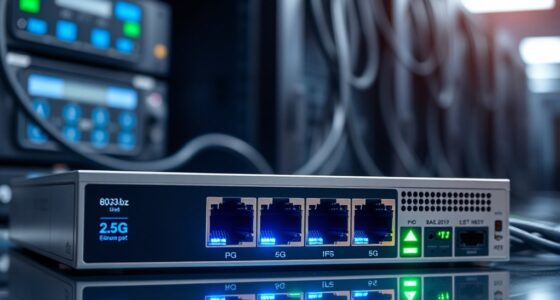
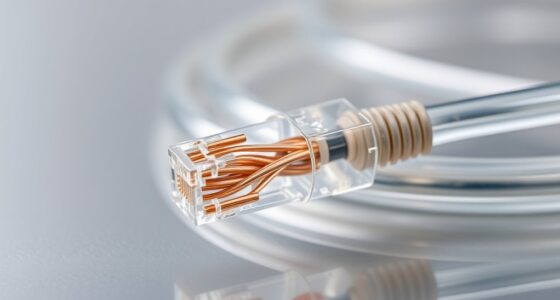
Effective data center cabling standards are essential for ensuring reliable performance, easy maintenance, and future scalability. When it comes to achieving these goals, following established guidelines like the TIA-942 standard is crucial. TIA-942 provides comprehensive frameworks for designing, installing, and managing data center cabling infrastructure, emphasizing best practices that help optimize performance and simplify operations. One of the core components of this standard involves the use of fiber optic cabling, which offers high bandwidth and low latency essential for modern data centers. Fiber optics are less susceptible to electromagnetic interference and can support longer distances without signal degradation, making them ideal for backbone connections and high-speed data transfer. To maximize the benefits of fiber optic cables, proper cable management becomes paramount. Good cable management not only keeps fiber optic cables organized but also prevents damage, reduces signal interference, and simplifies troubleshooting.
In your data center, adopting TIA-942 guidelines means implementing clear cable pathways, such as raised floors or overhead trays, to maintain a tidy and efficient layout. Proper cable management techniques include using cable ties, Velcro straps, and color-coded labeling systems, which help distinguish between different types of cables and their functions. This organization minimizes the risk of accidental disconnections and makes upgrades or repairs faster and less disruptive. When managing fiber optic cables, it’s essential to avoid sharp bends and excessive tension, as these can impair signal integrity. The standard emphasizes maintaining bend radii and ensuring cables are properly terminated, which preserves performance and reduces the likelihood of future failures. Additionally, understanding the importance of cable organization in maintaining optimal data center operations can significantly improve system reliability.
Furthermore, following TIA-942 encourages designing for scalability by reserving space and pathways for future cable runs. This foresight ensures that expanding your data center’s capacity doesn’t become a logistical nightmare. Incorporating modular patch panels and structured cabling systems allows you to add or replace cables with ease, avoiding chaotic messes that hinder maintenance. As you plan your cabling infrastructure, remember that proper documentation is vital. Maintaining detailed records of cable routes, patch panel configurations, and fiber optic specifications helps streamline ongoing management and troubleshooting efforts.

Fiber Optic Termination Tool Kit FTTH Cable Cold Welding Tool Set with X5 Grey Optical Fiber Cleaver with FC-LC Adapter D7 OPM
FTTH Equipent Accessories:Fiber optic tool bag,Optical Fiber Cleaver, OPM, fiber optic stripping pliers, cleaning bottle, cleaning paper, 2-in-1…
As an affiliate, we earn on qualifying purchases.
As an affiliate, we earn on qualifying purchases.
Frequently Asked Questions
How Does TIA-942 Compare to Other Data Center Cabling Standards?
You’ll find that TIA-942 compares favorably to other data center cabling standards in terms of thorough comparison criteria. It emphasizes practical applications like structured cabling, space planning, and airflow management, making it versatile for different data center sizes. While standards like ISO/IEC provide international guidelines, TIA-942 offers detailed, industry-specific best practices, helping you design reliable, scalable, and efficient data centers that meet current and future needs effectively.
Are There Industry Certifications for TIA-942 Compliance?
Yes, there are industry certifications for TIA-942 compliance. Certification programs, like those offered by TIA or third-party organizations, help verify your data center’s adherence to standards. They provide compliance verification, ensuring your cabling infrastructure meets TIA-942 requirements. Pursuing these certifications can enhance your facility’s credibility, improve reliability, and demonstrate your commitment to industry best practices. Keep in mind, regular audits and updates are essential for maintaining compliance.
How Often Should Data Center Cabling Be Inspected or Upgraded?
Think of your data center cabling as the veins of your infrastructure, essential yet invisible. You should conduct inspections according to your maintenance schedule, ideally every 6 to 12 months, to guarantee reliability. Upgrade frequency depends on technological advancements and performance needs, but aim to review and upgrade every 2 to 3 years. Regular checks prevent failures, keep your system in top shape, and ensure continuous, peak operation.
What Are Common Challenges When Implementing TIA-942 Standards?
You’ll face challenges like managing cabling complexity, which can make installation and maintenance tricky. Ensuring compliance hurdles are met can also slow progress, as strict standards require meticulous planning and documentation. Additionally, coordinating between teams to follow the standards consistently can be difficult. Staying organized and proactive helps you overcome these issues, ensuring your data center cabling remains compliant, efficient, and reliable without unnecessary delays or errors.
Does TIA-942 Address Future Scalability and Technology Evolution?
Yes, TIA-942 addresses future proofing by incorporating design principles that support technology adaptability. It encourages scalable cabling and infrastructure layouts, allowing you to easily upgrade or expand your data center as technology evolves. By following these standards, you guarantee your setup remains flexible, reducing the need for costly reconfigurations later. This focus helps you stay prepared for future advancements and growing data demands efficiently.

VCELINK 24-Port CAT6 Unshielded Patch Panel with Dust Cover, 1U RJ45 Rackmount Panel with Detachable Cable Management Bar for CAT5/5E/6 Cabling
1000 MBPS NETWORK PERFORMANCE: Compliant with TIA/EIA 568-C.2, this CAT6 patch panel delivers lightning-fast, stable connections, supporting 1000…
As an affiliate, we earn on qualifying purchases.
As an affiliate, we earn on qualifying purchases.
Conclusion
By following the TIA-942 standard, you guarantee your data center’s cabling is organized, scalable, and reliable—no more spaghetti mess like in the days of dial-up modems. It’s your blueprint for future-proofing your infrastructure, making maintenance a breeze and upgrades smoother than a well-oiled machine. Stay ahead of the game and let these guidelines be your trusty compass, guiding your data center to success in this digital age.

Professional 1U 19” Rack Mount Brush Panel | Heavy-Duty Steel Cable Management Accessory | Dust-Reducing Nylon Bristles | Server Room & Data Center Cable Organizer
Pro-Level Cable Management Solution – Engineered for IT professionals, data center technicians, and AV installers, this 1U rack…
As an affiliate, we earn on qualifying purchases.
As an affiliate, we earn on qualifying purchases.
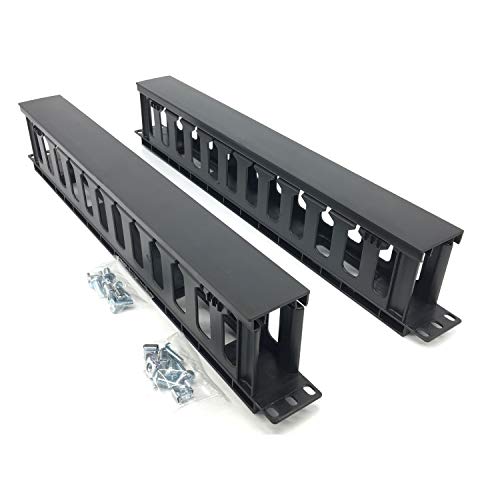
QiaoYoubang 2 Pack 1U 12 Slot Horizontal Rack Mount Cable Management Organizer Plastic 19" Rack Mount with M6 Screws and Cage Nuts (PCMB12S2PC)
Functions: Keeping your cables organized on a rack mount. Reducing the possibility of disconnections and maintaining the organization…
As an affiliate, we earn on qualifying purchases.
As an affiliate, we earn on qualifying purchases.