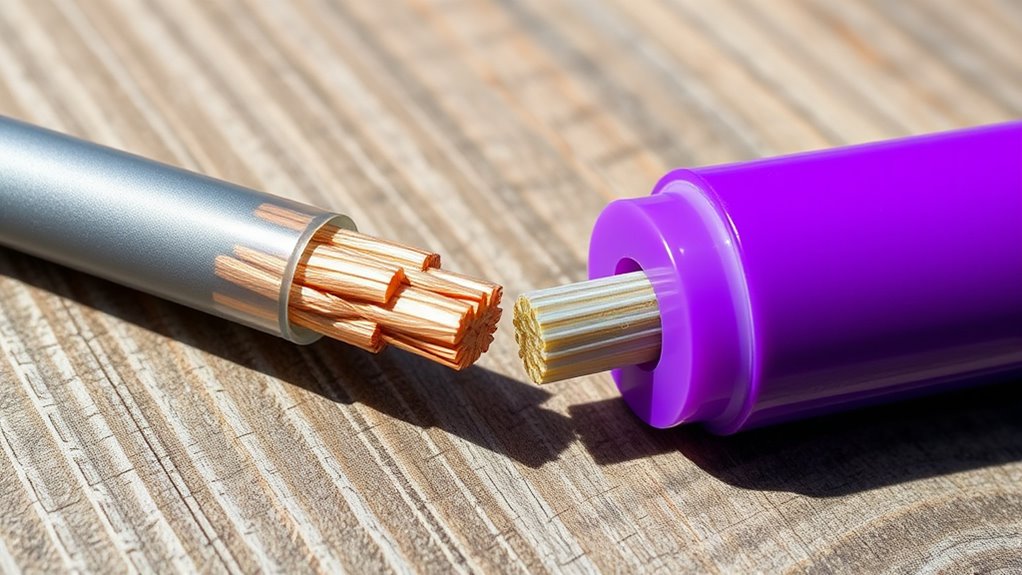

Choosing between LSZH and PVC cables could be the most important decision you make for your projects—yet, it’s often overlooked. While one promises safer, greener options, the other has been the industry standard for decades, despite its hidden environmental costs. The differences go beyond initial costs and into long-term safety and sustainability. Curious about which material truly benefits your environment and your safety commitments? The answer might surprise you.

Get business pricing on networking and server gear
- Business-only prices and quantity discounts
- Tax-exempt purchasing
- Multiple users, one account, clear invoices
Key Takeaways
- LSZH cables emit minimal smoke and no halogen gases during fires, enhancing safety and reducing toxic inhalation risks.
- PVC releases harmful halogen gases and dense smoke in fires, posing health and environmental hazards.
- LSZH is more environmentally friendly, producing fewer toxic emissions during manufacturing, use, and disposal.
- Recycling LSZH cables generates fewer hazardous waste products compared to PVC, supporting sustainable disposal practices.
- Despite higher initial costs, LSZH cables offer better long-term safety and environmental benefits over PVC.
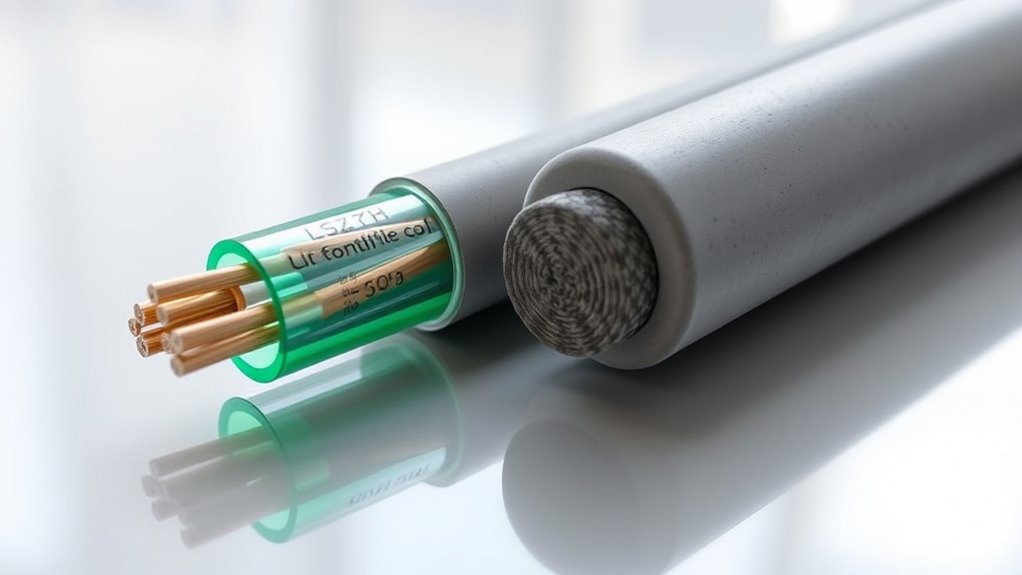
When choosing cable materials, understanding the differences between LSZH (Low Smoke Zero Halogen) and PVC (Polyvinyl Chloride) is essential. These choices directly influence fire safety and environmental impact, two critical factors in modern wiring installations. If you prioritize fire safety, LSZH cables are often the better option because they emit minimal smoke and no halogen gases when exposed to fire. This means, in the event of a blaze, your space remains safer for occupants and emergency responders, as smoke inhalation is a leading cause of injury during fires. The reduced smoke also helps protect sensitive electronic equipment, preventing additional hazards and damage. PVC cables, on the other hand, tend to produce dense, toxic smoke and release halogen gases when burned, which can be dangerous in enclosed spaces. This makes LSZH a more responsible choice for environments like hospitals, data centers, or public buildings where fire safety is a top concern.
Beyond fire safety, environmental impact plays a significant role in your decision. LSZH cables are designed to be more environmentally friendly because they do not contain halogens, which are chemicals that can be harmful to ecosystems and human health. During manufacturing and disposal, LSZH materials tend to produce fewer toxic emissions, reducing environmental contamination. Conversely, PVC contains chlorine, and when disposed of improperly or burned, it releases dioxins and other pollutants that are difficult to break down and can accumulate in the environment. These pollutants pose health risks to workers handling waste and to wildlife, making PVC less sustainable overall. If you’re committed to eco-friendly practices, choosing LSZH cables aligns better with sustainable development goals by minimizing hazardous waste and emissions.
Furthermore, the lifecycle of these materials influences your overall environmental footprint. LSZH cables are often recyclable and generate fewer harmful byproducts at the end of their lifespan. This can lead to lower disposal costs and less environmental degradation. PVC, however, often requires special handling and disposal procedures because of its toxic emissions, adding to your long-term environmental responsibilities. Overall, while LSZH cables may sometimes be slightly more expensive upfront, their advantages in fire safety and environmental impact make them a smarter, more responsible investment for your projects. You’re not only protecting the people who use the spaces you wire but also supporting broader efforts to reduce pollution and promote sustainability. In today’s environmentally conscious world, selecting eco-friendly cable materials like LSZH helps ensure your installations are safer and more sustainable for the future.
As an affiliate, we earn on qualifying purchases.
Frequently Asked Questions
Are LSZH Cables Suitable for Outdoor Installations?
Yes, LSZH cables are suitable for outdoor installations if they have UV resistance and water resistance. Their flame-retardant properties make them safer in various environments, and their water-resistant features protect against moisture damage. You should confirm the specific LSZH cable you choose is rated for outdoor use, providing durability against weather conditions while being eco-friendly. Always verify the cable’s specifications before installation to guarantee ideal performance.
How Do LSZH and PVC Cables Compare in Cost?
You’ll find that LSZH cables are generally more expensive than PVC ones, with cost differences sometimes reaching 20-30%. While LSZH offers eco-friendly benefits and reduced smoke emissions, PVC tends to be more durable and cost-effective initially. If budget is your main concern, PVC may be better, but if safety and environmental impact matter more, investing in LSZH could save you costs in the long run.
Can LSZH Cables Be Recycled Easily?
You can recycle LSZH cables, but the process is more complex than recycling PVC. Recycling processes for LSZH involve specialized procedures to handle flame-retardant compounds without releasing harmful substances, which can be costly and less widespread. While LSZH has a lower environmental impact during use, its recycling is less straightforward, making it less eco-friendly overall compared to PVC, which is more easily processed and recycled.
What Is the Lifespan Difference Between LSZH and PVC Cables?
Think of LSZH cables as the marathon runners of wiring—they last longer, typically around 20-25 years, thanks to superior fire resistance and lower environmental impact. PVC cables, on the other hand, often fade after 10-15 years due to degradation from heat and chemicals. Your choice impacts safety and sustainability; investing in LSZH could mean a longer-lasting, environmentally friendlier solution that keeps your space safer over time.
Are There Specific Safety Standards for Eco-Friendly Cables?
Yes, there are specific safety standards for eco-friendly cables that focus on fire safety and environmental impact. You should look for certifications like IEC 60332, which tests fire safety, and RoHS compliance, which limits hazardous substances. These standards guarantee your cables meet safety and environmental requirements, reducing the risk of fire hazards and minimizing environmental harm. Always check for these certifications to ensure your cables align with eco-friendly safety practices.
As an affiliate, we earn on qualifying purchases.
Conclusion
Choosing LSZH over PVC is like planting a seed for a cleaner, safer future. While the initial costs might seem higher, you’re investing in a material that gracefully burns away toxic fumes, safeguarding lives and the environment. Like a lighthouse guiding ships through dark waters, LSZH illuminates a path toward sustainability and safety. Embrace this eco-friendly choice, and you’ll help turn the tide against pollution, making every connection a step toward a greener tomorrow.
As an affiliate, we earn on qualifying purchases.
As an affiliate, we earn on qualifying purchases.
Halloween Picks
halloween
As an affiliate, we earn on qualifying purchases.