
TL;DR

Get business pricing on networking and server gear
- Business-only prices and quantity discounts
- Tax-exempt purchasing
- Multiple users, one account, clear invoices
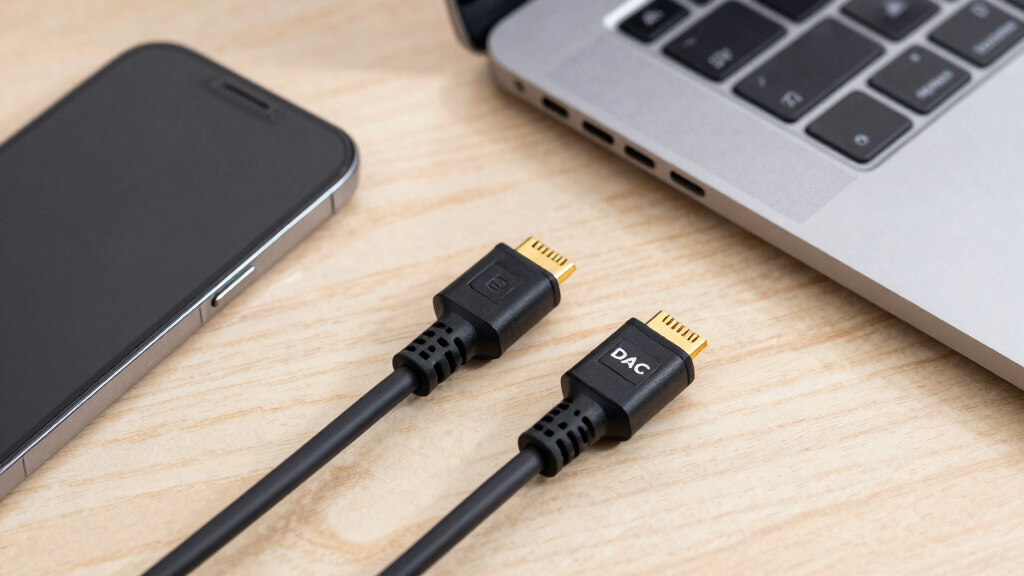
A DAC (Direct Attach Copper) cable is a fixed-length, copper-based connection used for high-speed device communication within racks. It is cost-effective and reliable for short distances, but faces limitations at higher speeds and longer ranges. This overview explains what DACs are, their types, and why they remain relevant in data centers.
Direct Attach Copper (DAC) cables are fixed-length, copper-based connections used primarily within data center racks for high-speed device communication. They are essential for cost-effective, reliable short-distance links at speeds up to 100Gbps, making them a key component in current networking infrastructure.
DAC cables consist of twinax copper wires with modules at each end, typically featuring connectors such as QSFP+ or QSFP28. These cables are designed for short-range communication, generally up to 5 meters, with electromagnetic shielding increasing at higher speeds to maintain signal integrity. There are two main types: passive DACs, which consume less power but offer limited distance, and active DACs, which use more power to extend reach slightly.
Breakout DAC cables are common, allowing a single high-density port, like QSFP+, to be split into multiple lower-speed connections such as SFP+ ports. While most modern switches and NICs support breakout configurations, some older or specialized equipment may not, limiting their universal applicability. DACs are favored over optical transceivers in many scenarios due to lower costs, reduced complexity, and high reliability, despite their shorter reach.
Why It Matters
Understanding DAC cables is crucial for network designers and data center operators because these cables influence cost, performance, and physical layout. As network speeds increase beyond 100Gbps, DACs face limitations in reach and flexibility, prompting a shift toward optical solutions for longer distances. Nevertheless, DACs remain vital for intra-rack and short-distance interconnects, offering a cost-efficient and dependable option.
As an affiliate, we earn on qualifying purchases.
Background
DAC cables have been a staple in data centers for several years, especially with the rise of 40GbE and 100GbE networking standards. Their simplicity and low cost make them attractive for short-range connections. However, as speeds increase, the physical properties of copper and electromagnetic shielding requirements lead to thicker, less flexible cables, limiting routing options. The industry is gradually transitioning toward optical solutions for longer distances, but DACs continue to serve critical roles within racks.
“DAC cables are a cost-effective, reliable solution for short-distance high-speed connections, but their physical limitations become apparent at higher speeds and longer distances.”
— Industry expert
“DACs are essential within racks for their simplicity and cost efficiency, although future growth in speeds will likely push more networks toward optical alternatives.”
— STH (Server Technology Hub)
As an affiliate, we earn on qualifying purchases.
What Remains Unclear
It remains unclear exactly how quickly DACs will be phased out in favor of optical solutions as network speeds continue to rise. The long-term viability of DACs beyond 100Gbps, especially for intra-rack applications, is still under assessment, with ongoing developments in cable shielding and design potentially extending their usefulness.
Breakout DAC cable for data center
As an affiliate, we earn on qualifying purchases.
As an affiliate, we earn on qualifying purchases.
What’s Next
Next steps include ongoing industry evaluations of DAC performance at higher speeds, development of new cable shielding techniques, and increased adoption of optical transceivers for longer distances. Future standards may further define maximum DAC lengths and configurations, influencing hardware compatibility and deployment strategies.
As an affiliate, we earn on qualifying purchases.
Key Questions
What is the primary use of DAC cables?
DAC cables are primarily used for short-range, high-speed communication within data center racks, connecting servers, switches, and storage devices efficiently and cost-effectively.
How do DAC cables differ from optical transceivers?
DAC cables are copper-based, fixed-length, and generally cheaper, suitable for short distances. Optical transceivers convert electrical signals to light for longer-range, higher-speed connections but are more expensive and complex.
What are the limitations of DAC cables?
The main limitations include a maximum effective length of around 5 meters at higher speeds, physical rigidity as speeds increase, and reduced flexibility for routing in dense rack environments.
Are DAC cables compatible with all network hardware?
While most modern switches and NICs support DACs and breakout configurations, some older or specialized equipment may lack compatibility, especially with breakout cables or higher-speed standards.
Source: Hacker News
Halloween Picks
halloween
As an affiliate, we earn on qualifying purchases.