
Imagine a factory floor where every device, worker, and system is constantly verified—no longer confined by a perimeter wall. Zero Trust Network Access transforms industrial security into a dynamic, identity-based model that minimizes risks and adapts to evolving threats. As cyberattacks grow more sophisticated, understanding how ZTNA reshapes your security landscape becomes essential to safeguarding your operations and assets. What steps can you take to implement this proactive approach?
Key Takeaways
- Zero Trust enforces strict, identity-based access controls for industrial systems, reducing vulnerabilities across operational networks.
- It continuously verifies device health and user context to prevent unauthorized lateral movement in industrial environments.
- Implementing Zero Trust enhances threat detection and response, minimizing the impact of cyberattacks on industrial assets.
- The model supports secure remote access for industrial personnel, enabling digital transformation without compromising security.
- Zero Trust promotes least privilege policies, safeguarding critical industrial infrastructure against insider threats and external breaches.

As industries increasingly rely on digital infrastructure, traditional perimeter-based security models no longer provide sufficient protection. You need a more dynamic approach—one that adapts to the evolving threat landscape and protects resources regardless of where your employees or partners connect from. That’s where Zero Trust Network Access (ZTNA) comes into play. Instead of assuming trust based on location or network perimeter, ZTNA enforces strict access control policies, verifying every user, device, and application before granting access. This layered approach ensures that even if an attacker breaches your network, they won’t gain unrestricted access to sensitive data or critical systems.
Traditional perimeter security is no longer enough; Zero Trust verifies every user, device, and application for dynamic protection.
With Zero Trust, you’re not just relying on a single security barrier. Instead, you implement continuous verification, making access decisions based on real-time context—like user identity, device health, and location. This means you can dynamically adjust permissions, ensuring users only get access to what they need, when they need it. It’s a proactive way to thwart threats before they can escalate or cause damage. Access control becomes granular, enabling you to set policies tailored to different roles, locations, or risk levels. For example, you can restrict remote employees from accessing certain internal resources or require multi-factor authentication for sensitive operations. This precise control minimizes the attack surface, reducing the likelihood of successful breaches.
Threat mitigation, in this context, is built into the core of Zero Trust. By constantly monitoring user activities and device states, you can quickly identify anomalous behavior that might indicate a compromise. If suspicious activity is detected, you can automatically revoke access or trigger alerts, preventing potential lateral movement within your network. This real-time threat detection is essential in today’s environment, where cyberattacks occur rapidly and often evade traditional security measures. Zero Trust also limits the damage caused by insider threats, as even authorized users must re-authenticate and confirm their intent for sensitive actions. You’re effectively reducing the window of opportunity for malicious activities and increasing your ability to respond swiftly. Additionally, understanding the importance of emotional support can help organizations foster a resilient culture that promotes well-being and collaboration, even amidst the challenges of implementing new security protocols.
Implementing Zero Trust Network Access isn’t just about technology; it’s about adopting a security mindset that assumes compromise and continuously verifies. You need to evaluate your existing access controls, ensure your identity management systems are robust, and establish policies that enforce least privilege. By doing so, you enhance your threat mitigation strategies, making your infrastructure more resilient and adaptable. As industries move toward fully digital operations, Zero Trust becomes a crucial component—empowering you to protect your assets with precision, reduce risk, and stay ahead of increasingly sophisticated cyber threats.
Zero Trust Network Access (ZTNA) security appliance
As an affiliate, we earn on qualifying purchases.
As an affiliate, we earn on qualifying purchases.
Frequently Asked Questions
How Does ZTNA Impact Existing Corporate VPN Setups?
ZTNA transforms your existing VPN setups by replacing broad network access with precise control. It enhances network segmentation, limiting user access to only what they need, reducing potential threats. You’ll benefit from stronger user authentication, ensuring only verified users connect. This shift makes your security more dynamic and responsive, streamlining access management while minimizing risks. Overall, ZTNA provides a more secure, flexible, and efficient way to manage remote connections.
What Are the Key Challenges in Implementing ZTNA at Scale?
The biggest challenge in scaling ZTNA is ensuring everyone adapts seamlessly. You might overlook critical steps like employee training, which is essential for security and smooth adoption. Additionally, vendor selection plays a pivotal role; choosing the right partner determines your system’s effectiveness. Without careful planning in these areas, implementing ZTNA at scale can become a complex, risky process, jeopardizing your organization’s security and operational flow.
How Does ZTNA Integrate With Cloud Services?
You can seamlessly integrate ZTNA with cloud services through robust cloud integration and access management. It guarantees secure, granular access controls, allowing you to verify user identities and enforce policies before granting access. By adopting centralized access management, you streamline user permissions across multiple cloud platforms, reducing risks and improving security. This integration helps you maintain continuous protection while enabling flexible, secure access to cloud resources from any location.
What Are the Cost Considerations for Deploying ZTNA Solutions?
When deploying ZTNA solutions, you should conduct a thorough cost analysis to understand expenses like licensing, infrastructure, and ongoing management. Budget planning helps you allocate resources effectively and avoid unexpected costs. Consider scalability costs and potential savings from improved security. You’ll need to balance initial investments against long-term benefits, ensuring your organization maintains robust security without overspending. Proper planning guarantees a cost-effective, secure ZTNA deployment tailored to your needs.
How Does ZTNA Support Compliance and Regulatory Requirements?
You support compliance and regulatory requirements by implementing ZTNA, which enhances data privacy through strict access controls and encryption. It also provides robust audit controls, allowing you to monitor and log user activity effectively. This guarantees you can demonstrate regulatory adherence, respond quickly to audits, and maintain data integrity. By adopting ZTNA, you create a secure environment that aligns with industry standards and legal obligations, reducing compliance risks.

Yubico – YubiKey 5C NFC – Multi-Factor authentication (MFA) Security Key and passkey, Connect via USB-C or NFC, FIDO Certified – Protect Your Online Accounts
POWERFUL SECURITY KEY: The YubiKey 5C NFC is the most versatile physical passkey, protecting your digital life from…
As an affiliate, we earn on qualifying purchases.
As an affiliate, we earn on qualifying purchases.
Conclusion
Embracing Zero Trust Network Access transforms your industrial security from a fragile perimeter to a resilient, agile shield. While traditional models rely on borders that can be breached, Zero Trust continuously verifies and adapts, making threats harder to exploit. You gain not just protection, but confidence—knowing your assets are guarded in a world where borders fade, and threats evolve. It’s a future-proof approach that turns vulnerability into strength, all while keeping your operations seamless.
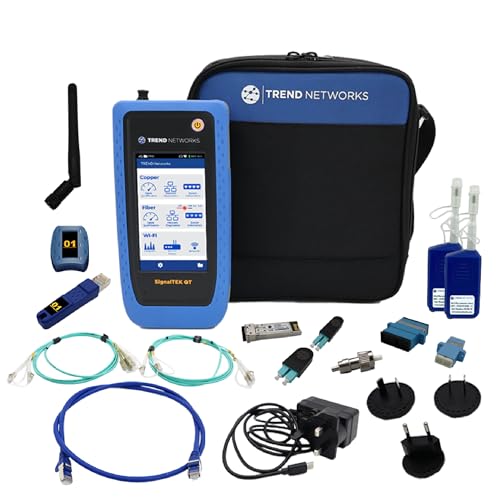
TREND Networks | SignalTEK QT Pro | All-in-One 10G Copper, Fiber & Wi-Fi Qualification Tester | Advanced Wi-Fi Diagnostics | PoE Load Testing & Network Diagnostics | R166001
ALL-IN-ONE NETWORK QUALIFICATION – Test copper up to 10Gb/s, fiber links up to 100Gb/s, and Wi-Fi performance in…
As an affiliate, we earn on qualifying purchases.
As an affiliate, we earn on qualifying purchases.
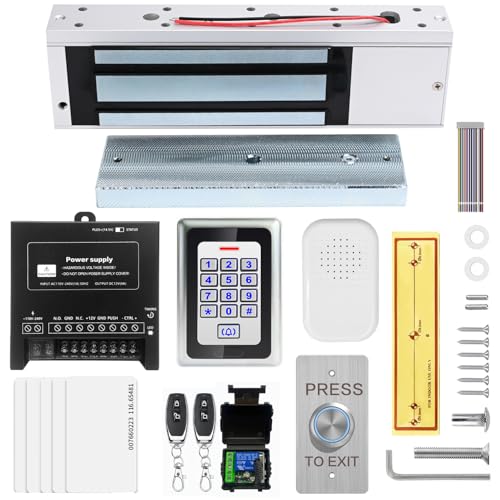
Access Control System Kit with Remote – 1200lbs Holding Force Fail-Safe Electromagnetic Lock, Metal Keypad, 12V Power Supply, Exit Button & Doorbell, Supports RFID, Password & Remote Access
trong 1200lbs Holding Force – Fail-safe electromagnetic door lock delivers secure and reliable protection for home, office, and…
As an affiliate, we earn on qualifying purchases.
As an affiliate, we earn on qualifying purchases.