
Just as architects endeavor for harmony between form and function, green building certifications push for sustainable infrastructure that balances technology and environment. When you consider cabling choices, it’s more than just wiring—it’s about reducing resource use, supporting wireless integration, and meeting eco-friendly standards. How you approach these decisions can shape a building’s long-term sustainability and certification success, leaving questions about the best strategies to achieve this delicate balance.
Key Takeaways
- Incorporating wireless infrastructure reduces cabling needs, supporting certifications focused on resource efficiency and sustainability.
- Using sustainable, recycled, or biodegradable cabling materials helps meet green building standards.
- Collaborative planning with manufacturers ensures scalable, eco-friendly wiring solutions aligned with certification criteria.
- Balancing wireless and wired systems optimizes connectivity while minimizing environmental impact for certification compliance.
- Sustainable cabling combined with wireless technology enhances long-term durability and supports overall green certification goals.
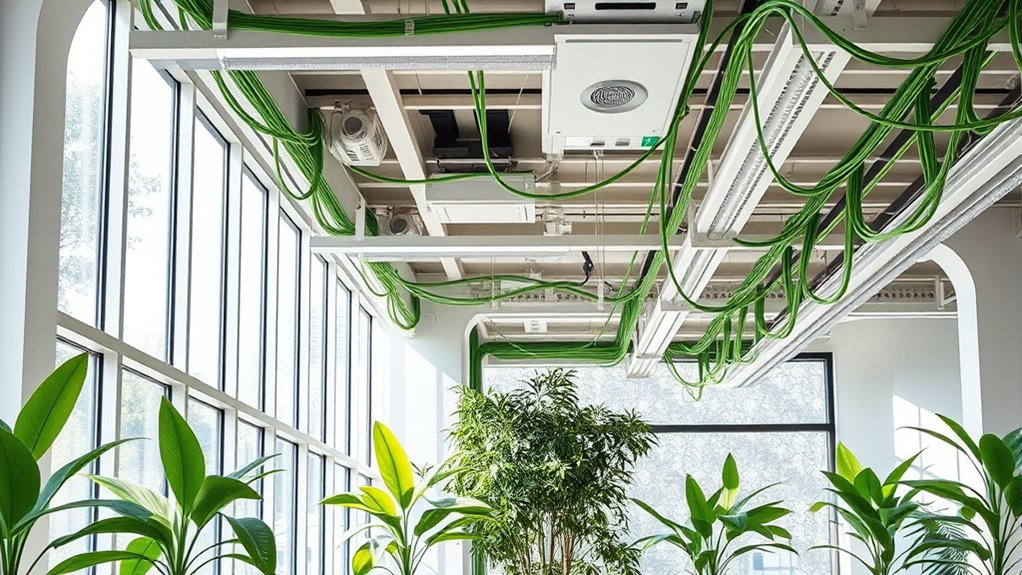
Green building certifications are increasingly emphasizing the importance of sustainable infrastructure, including the cabling systems that support modern technology. As you aim to meet these standards, understanding the role of wireless infrastructure and sustainable materials becomes essential. Wireless infrastructure has become a cornerstone of green design because it reduces the need for extensive physical cabling, which can be resource-intensive to install and maintain. By prioritizing wireless solutions, you minimize the environmental footprint of your building’s connectivity, while also enhancing flexibility and ease of updates. Deploying robust wireless networks allows you to cut down on the materials and labor involved in traditional wiring, aligning with green certification goals centered on resource efficiency.
In addition to wireless infrastructure, selecting sustainable materials for cabling systems plays a key role in achieving green building standards. Traditional cabling often involves plastics, chemicals, and other materials that may have high environmental impacts throughout their lifecycle. By opting for cables made from recycled or biodegradable materials, you reduce the negative effects associated with manufacturing, disposal, and potential chemical leaching. These sustainable materials often meet or surpass performance standards, ensuring your building remains functional and reliable while supporting environmentally responsible practices. Using environmentally friendly cabling also helps you earn points toward certification, as many green standards reward the use of sustainable materials in building systems.
Furthermore, integrating wireless infrastructure and sustainable cabling materials requires thoughtful planning. You’ll need to collaborate with manufacturers who prioritize eco-friendly options and ensure that the wireless solutions you implement are scalable and secure. As you design your infrastructure, consider the lifecycle impacts of your choices—selecting products that are durable, recyclable, or made from renewable resources. This approach not only reduces your building’s environmental footprint but also aligns with the long-term sustainability goals that many green certifications promote. Incorporating sustainable cabling options and wireless solutions together creates a comprehensive green infrastructure that supports both environmental and technological objectives.
It’s essential to keep in mind that adopting wireless infrastructure doesn’t mean neglecting physical cabling altogether. Instead, it’s about striking a balance—using wireless technology where appropriate and supplementing it with sustainable cabling in areas where wired connections are necessary. This hybrid approach ensures reliable connectivity while maintaining your commitment to green principles. By choosing the right combination of wireless infrastructure and sustainable materials, you demonstrate a proactive stance toward environmental responsibility, resource efficiency, and future-proof design. These considerations help you meet certification requirements, appeal to eco-conscious stakeholders, and create a healthier, more sustainable building environment.
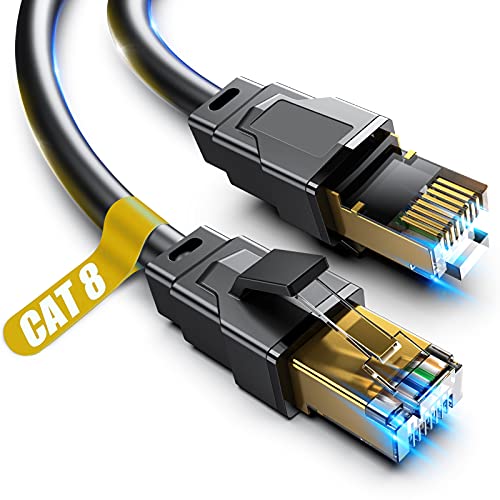
Vabogu Cat 8 Ethernet Cable 6FT, Heavy Duty 26AWG High Speed 40Gbps 2000MHz, Gold Plated RJ45 Shielded, Weatherproof Indoor & Outdoor LAN Cable for Gaming PC PS5 Xbox Modem Router
【Ultra Internet speed】Cat 8 ethernet cable support bandwidth up to 2000MHz and boosts the speed of data transmission…
As an affiliate, we earn on qualifying purchases.
As an affiliate, we earn on qualifying purchases.
Frequently Asked Questions
How Do Cabling Choices Impact LEED Certification Scores?
Your cabling choices directly impact LEED certification scores by influencing energy efficiency and sustainability. Opt for fiber optics, which offer higher bandwidth with lower energy consumption, and guarantee proper cable management to reduce clutter and improve airflow. These choices help minimize environmental impact, qualify for credits, and demonstrate your commitment to sustainable building practices, ultimately boosting your LEED score and making your project more environmentally friendly.
Are There Specific Cabling Standards for WELL or BREEAM Certifications?
Did you know that over 60% of building certifications like WELL and BREEAM emphasize indoor environmental quality? For cabling installation, compliance with certification standards is key. While there aren’t exclusive cabling standards for WELL or BREEAM, you should follow general industry best practices and specific requirements for low-emission materials and flexibility. This guarantees your cabling supports certification goals and promotes healthier, more sustainable spaces.
What Are the Long-Term Maintenance Costs for Sustainable Cabling Systems?
You’ll find that sustainable cabling systems often have lower long-term maintenance costs due to their enhanced durability and quality materials. With proper maintenance planning, you can extend the lifespan of your cabling, reducing frequent replacements. Although initial investments might be higher, the durability of eco-friendly cabling minimizes ongoing expenses, making it a cost-effective choice over time. Regular inspections and preventive upkeep are key to maximizing these savings.
How Does Cabling Influence Indoor Environmental Quality in Green Buildings?
Think of cabling as the veins of your green building, carrying essential life force. Fiber optics and wireless infrastructure improve indoor environmental quality by reducing electromagnetic interference and enabling better air circulation through smart systems. They guarantee cleaner, healthier air and consistent connectivity. You create a more comfortable, sustainable space when you choose high-quality cabling, allowing natural light and fresh air to flow freely while supporting advanced communication networks.
Can Retrofitting Cabling Improve a Building’s Existing Green Certification Status?
Yes, retrofitting cabling can improve your building’s green certification status. By upgrading to wireless integration, you reduce the need for extensive wiring, cutting down material use and waste. Additionally, modern cabling solutions enhance aesthetic considerations, creating cleaner, less cluttered spaces. These improvements can boost your building’s sustainability ratings, demonstrating your commitment to environmental responsibility and making it easier to meet certification standards.
biodegradable network cabling
As an affiliate, we earn on qualifying purchases.
As an affiliate, we earn on qualifying purchases.
Conclusion
By choosing eco-friendly cabling and embracing wireless tech, you’re building a living, breathing structure that thrives in harmony with the environment. Think of your building as a lush forest—each wire and connection a essential branch supporting growth and sustainability. When you prioritize green practices, you’re nurturing a space that’s not only efficient and flexible but also rooted in a future where eco-consciousness blossoms. Your choices today cultivate a greener, more sustainable tomorrow.
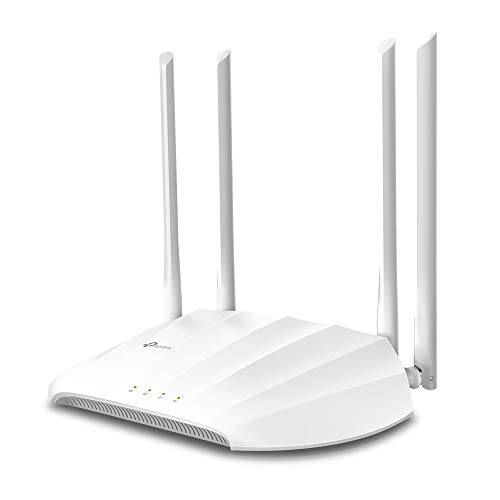
TP-Link AC1200 Wireless Gigabit Access Point – Desktop WiFi Bridge, MU-MIMO & Beamforming, Supports Multi-SSID/Client/Range Extender Mode, 4 Fixed Antennas, Passive PoE Powered (TL-WA1201), Dual-Band
𝐒𝐮𝐩𝐞𝐫𝐢𝐨𝐫 𝐒𝐩𝐞𝐞𝐝𝐬 𝐰𝐢𝐭𝐡 𝐌𝐔-𝐌𝐈𝐌𝐎: Outfitted with the latest 802.11ac Wave 2 MU-MIMO technology, the TL-WA1201 easily delivers dual-band…
As an affiliate, we earn on qualifying purchases.
As an affiliate, we earn on qualifying purchases.
eco-friendly data cabling
As an affiliate, we earn on qualifying purchases.
As an affiliate, we earn on qualifying purchases.