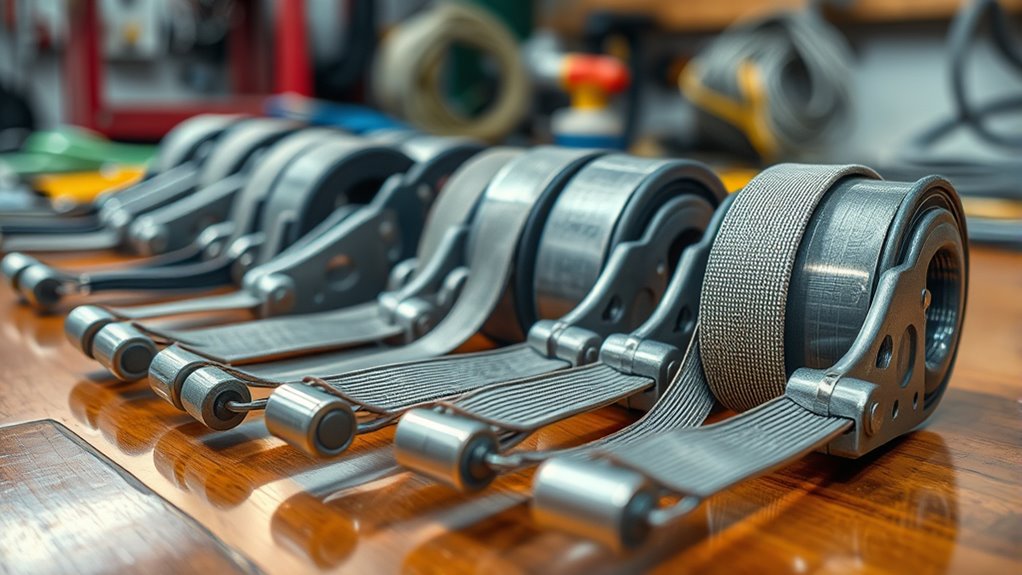

When selecting a fish tape for cable pulling, consider its durability, flexibility, and environmental resistance. Opt for fiberglass if you need lightweight, corrosion-resistant tape for moist or outdoor conditions, especially in tight or complex bends. Steel tapes provide strength for tough conduit runs but may require extra protection against rust. Balancing flexibility with strength is key for smooth navigation and safety. To find out more about choosing the right fish tape for your project, keep exploring the options available.

Get business pricing on networking and server gear
- Business-only prices and quantity discounts
- Tax-exempt purchasing
- Multiple users, one account, clear invoices
Key Takeaways
- Match material durability (fiberglass or steel) to environmental conditions and project demands for long-lasting performance.
- Consider flexibility requirements based on conduit complexity—more flexible tapes for bends, sturdier ones for straight runs.
- Assess handling and control needs to prevent damage and ensure smooth wire pulling through complex pathways.
- Choose corrosion-resistant materials, like fiberglass, for moist or outdoor environments to enhance longevity.
- Balance flexibility and strength to optimize safety, ease of use, and effective cable installation.
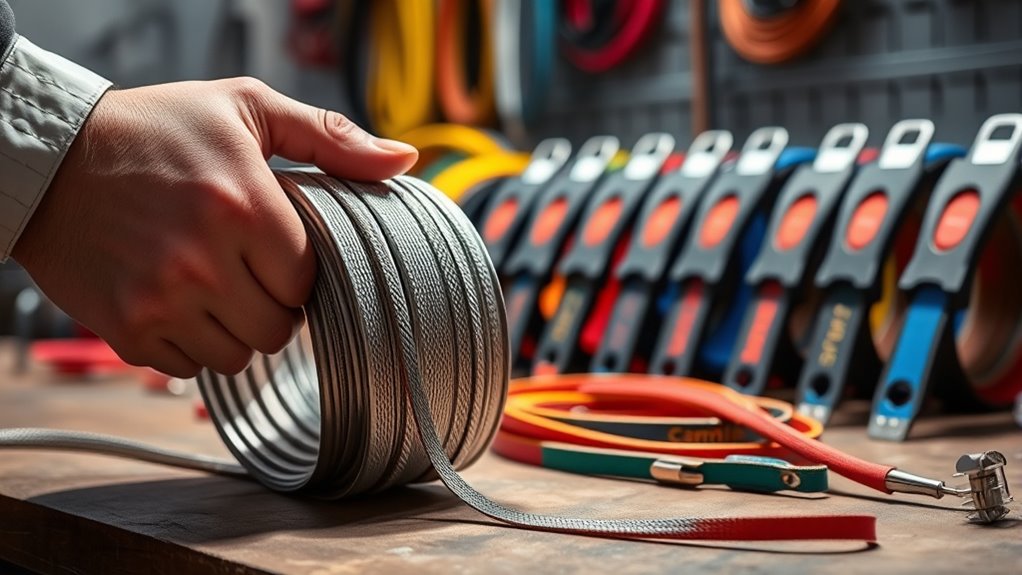
Choosing the right fish tape is essential for efficient and safe conduit installation. When you’re selecting a fish tape, one of the most important factors to contemplate is material durability. Fish tapes are subjected to various environments and rough handling, so you need a product that can withstand wear and tear without breaking or losing effectiveness. Durable materials like fiberglass or steel are common options. Fiberglass tapes are lightweight and resist corrosion, making them suitable for long-term use and in moist environments. Steel tapes, on the other hand, offer high strength and longevity, especially when pulling through tough conduit bends or long distances. Your choice should match the specific demands of your project, ensuring the tape maintains its integrity even after repeated use. Additionally, consider how the material’s UV resistance might impact the tape’s lifespan if exposed to sunlight during storage or use.
Alongside material durability, flexibility considerations play a vital role in selecting the right fish tape. Flexibility determines how easily you can navigate the tape through bends, curves, and complex conduit pathways. A highly flexible tape allows you to maneuver around obstacles and pull wires smoothly without getting stuck or causing damage to the conduit. If your work involves long, straight runs, a less flexible but sturdier tape might suffice. However, for installations with many bends or intricate layouts, a more flexible tape is advantageous. Fiberglass tapes tend to be more flexible than steel, making them ideal for tight spaces and complex routing. Yet, keep in mind that too much flexibility can sometimes reduce the tape’s ability to handle heavy pulls, so you need to balance flexibility with strength based on your specific needs.
Furthermore, consider how the flexibility affects handling and control during the pull. A tape that’s too stiff can be difficult to guide through complicated conduit, increasing the risk of damage or misalignment. Conversely, an overly flexible tape might lack the strength needed for pulling heavy cables or long distances. It’s essential to evaluate your project’s scope, the conduit layout, and the types of cables you’ll be pulling to choose a tape that offers the best combination of durability and flexibility. Remember that selecting the appropriate fish tape can also influence safety during installation, preventing accidents caused by equipment failure or mishandling.
fiberglass fish tape for cable pulling
As an affiliate, we earn on qualifying purchases.
As an affiliate, we earn on qualifying purchases.
Frequently Asked Questions
How Do I Maintain and Clean My Fish Tape?
To maintain and clean your fish tape, start with proper cleaning techniques by wiping it down with a damp cloth and mild soap to remove dirt and debris. Make certain you dry it thoroughly to prevent rust. Follow storage best practices by keeping your fish tape in a clean, dry place, preferably in a protective case or coil it properly. Regular maintenance keeps it in good condition, ensuring smooth cable pulling every time.
What Safety Precautions Should I Follow During Cable Pulling?
They say safety first, and that’s especially true during cable pulling. You should always wear personal protective gear like gloves and eye protection. Before starting, inspect your equipment thoroughly for damage or wear. Keep a firm grip on the fish tape, and never force it if resistance occurs. Staying alert and following proper procedures helps prevent accidents and guarantees a smooth, safe cable pulling experience.
Can Fish Tapes Be Used in Wet or Hazardous Environments?
Yes, you can use fish tapes in wet or hazardous environments if they have water-resistant coatings and explosion-proof designs. These features protect the tape from moisture and prevent sparks, guaranteeing safety. Always check the specifications to confirm the tape’s suitability. Using the right fish tape prevents damage and ensures safe, efficient cable pulling in challenging conditions, so prioritize models with these safety features for ideal results.
How Do I Troubleshoot Common Issues With Fish Tapes?
When troubleshooting fish tapes, you should check for cable snagging, reel tangling, and tape damage. If the tape gets snagged, gently free it without forcing, and inspect for obstructions. For reel tangling, unwind and rewind slowly, ensuring smooth operation. Regularly examine the tape for kinks or wear, and replace if damaged. Staying attentive to these issues helps prevent delays and keeps your cable pulling smooth and efficient.
Are There Specific Fish Tapes for High-Voltage or Sensitive Cables?
Yes, you should use high-voltage specific fish tapes for high-voltage cables, as they’re designed with insulation to prevent electrical shock. For sensitive cables, opt for a fish tape with a smooth, non-abrasive coating to avoid damage. These specialized tapes help verify safety and protect your cables during installation. Always choose a fish tape that matches your cable’s voltage and sensitivity requirements to avoid mishaps and maintain system integrity.
As an affiliate, we earn on qualifying purchases.
Conclusion
Choosing the right fish tape makes cable pulling easier and safer. Remember, “A chain is only as strong as its weakest link,” so pick the tool that suits your needs best. When you invest in quality and the proper type, you’ll save time and avoid frustration. Don’t compromise on the right equipment—it’s the key to smooth, successful installations. Trust your judgment, and you’ll find that the right fish tape is worth its weight in gold.
flexible fish tape for tight bends
As an affiliate, we earn on qualifying purchases.
As an affiliate, we earn on qualifying purchases.
As an affiliate, we earn on qualifying purchases.
Halloween Picks
halloween
As an affiliate, we earn on qualifying purchases.